How Practical Effects Shaped Early Monster Cinema
King Kong, Godzilla, and The Mummy stand as iconic pillars in the monster movie genre, representing decades of cinematic innovation and audience fascination. These films, spanning from the early 20th century to modern blockbusters, have defined how creatures of myth and science fiction are portrayed on screen. Their enduring popularity reflects both technical achievement and cultural resonance across generations.
Culture picks
 The Forgotten Sci-Fi Classic That Deserves a Modern Revival
 Green Lantern May Get New TV Series
 Netflix True Crime Hit Claims Global Streaming Top Spot
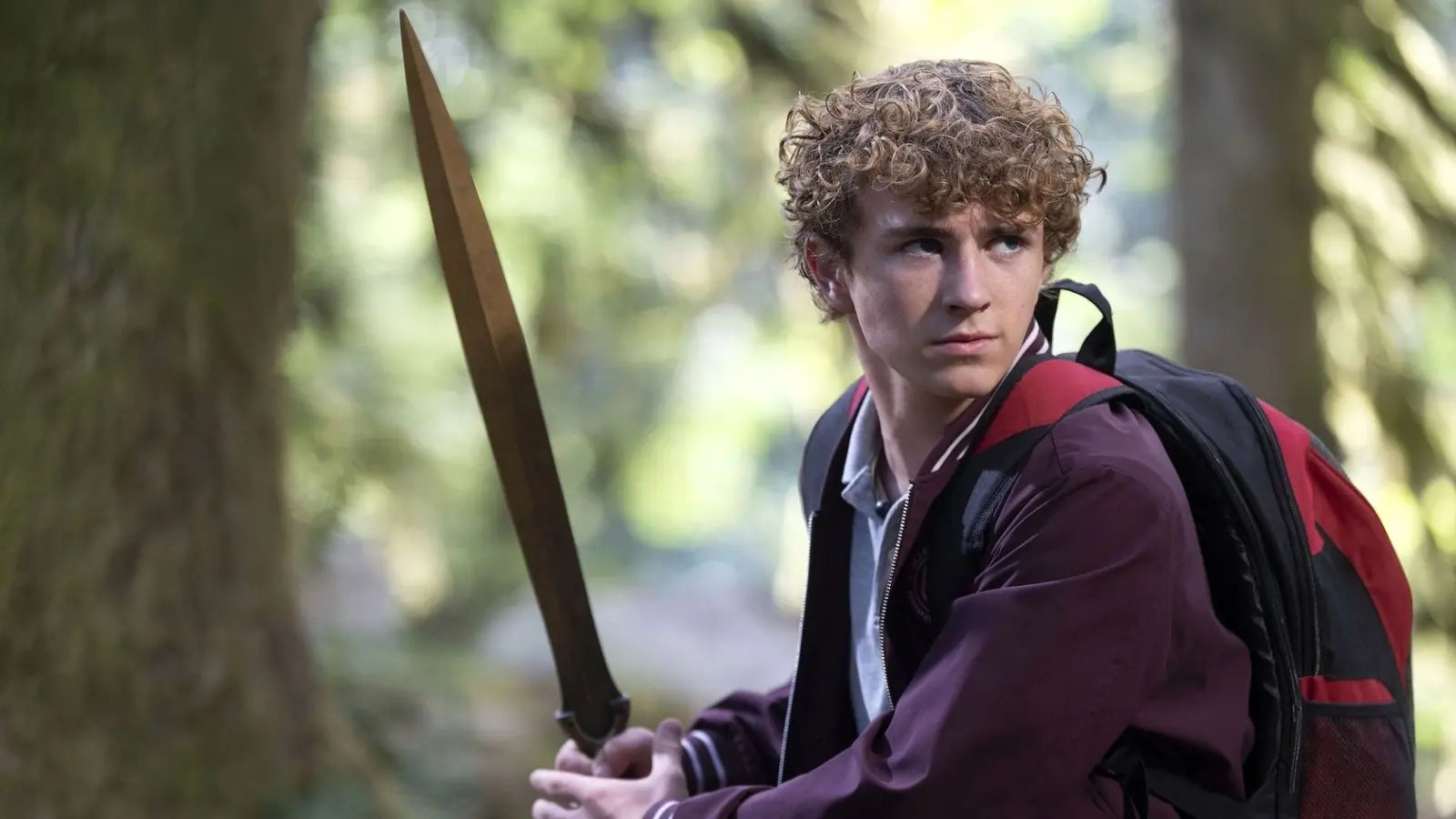 Disney+ Alters Percy Jackson Series Format for Season 3
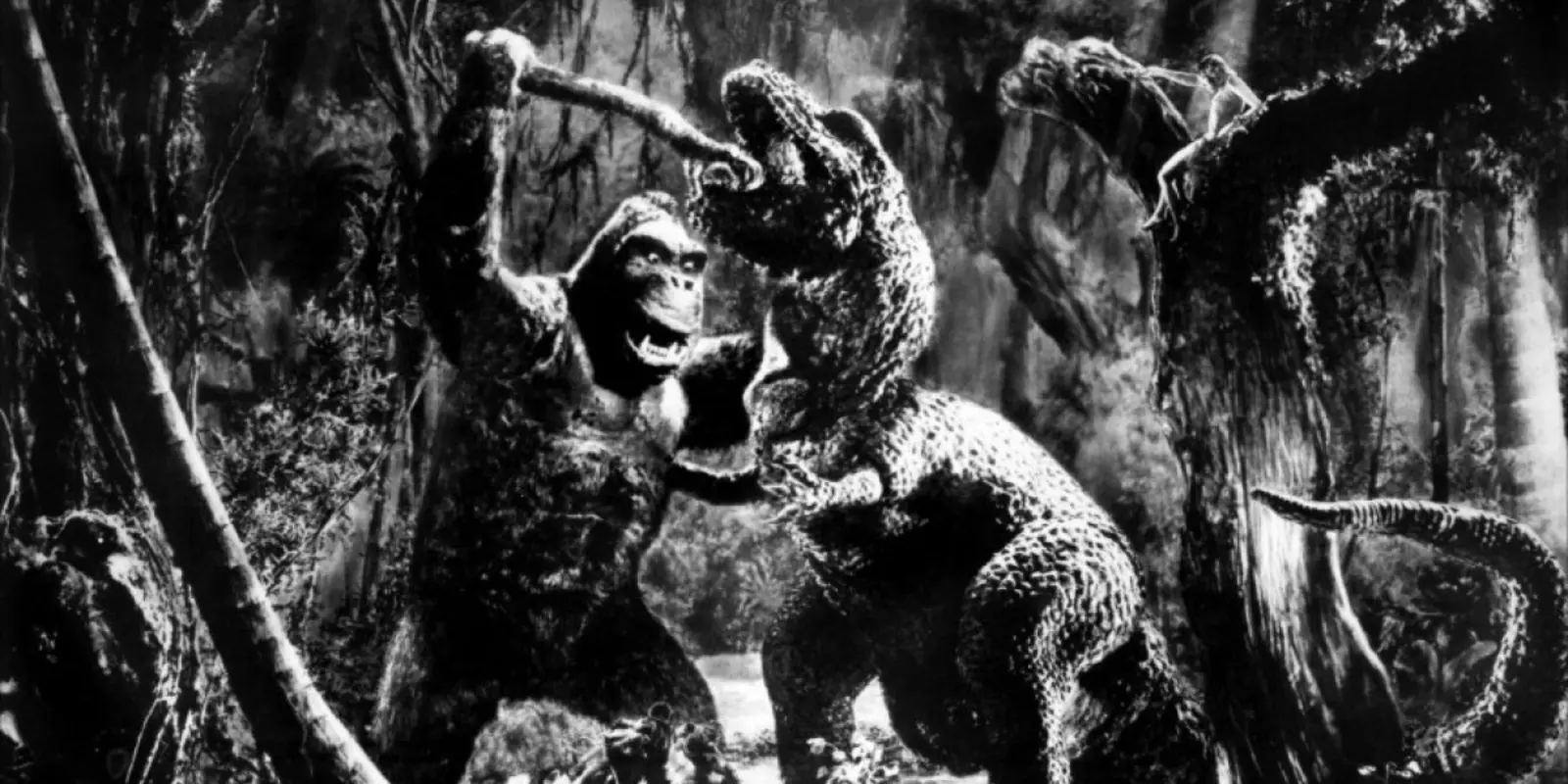
The original 1933 King Kong, produced by RKO Radio Pictures, set a benchmark for special effects with its groundbreaking stop-motion animation and emotional storytelling. William Smith, a film enthusiast and writer, notes that such classics continue to influence contemporary monster narratives through their blend of spectacle and humanity. Godzilla, emerging from postwar Japanese anxieties, evolved into a global symbol of nuclear caution, while The Mummy series tapped into Egyptological intrigue and horror tropes. Together, these films illustrate how monster movies often mirror societal fears while delivering visceral entertainment.
Why Do Audiences Keep Returning to Monster Movies?
Before CGI dominated, filmmakers relied on ingenuity to bring creatures to life. In King Kong, miniature sets, rear projection, and articulated models created a believable interaction between the ape and human characters. This tactile approach gave the monster a physical presence that resonated with audiences. Similarly, the original Godzilla suit, though cumbersome, conveyed a sense of unstoppable force through deliberate movement and sound design. These techniques required close collaboration between directors, effects artists, and performers, establishing a craftsmanship that still inspires modern practical effects in films like those from Guillermo del Toro.
Monster films endure because they tap into primal emotions—fear, awe, and curiosity—while offering a safe outlet to explore chaos and destruction. They allow viewers to confront the unknown through metaphor, whether it’s atomic age anxieties or ecological concerns. The spectacle of a creature defying natural laws provides catharsis, especially when balanced with human stories of courage or hubris. As Smith observes, the best monster movies make us feel something beyond the jump scare, linking the fantastical to real-world anxieties in a way that feels both timeless and timely.
What makes a monster movie truly great beyond just scares? A great monster movie combines compelling creature design with meaningful human characters and thematic depth, using the monster as a symbol for larger societal or personal struggles rather than just a source of shock.
Frequently Asked Questions
How has technology changed the way monsters are portrayed on film? Advancements in CGI and motion capture have allowed for more realistic and expressive creatures, enabling complex emotions and movements that were impossible with earlier practical methods, though many filmmakers still blend both techniques for authenticity.
Are classic monster movies still relevant to modern audiences? Yes, their core themes—fear of the unknown, consequences of scientific overreach, and humanity’s place in nature—remain pertinent, and their influence is visible in contemporary films that reimagine these legends for new eras.