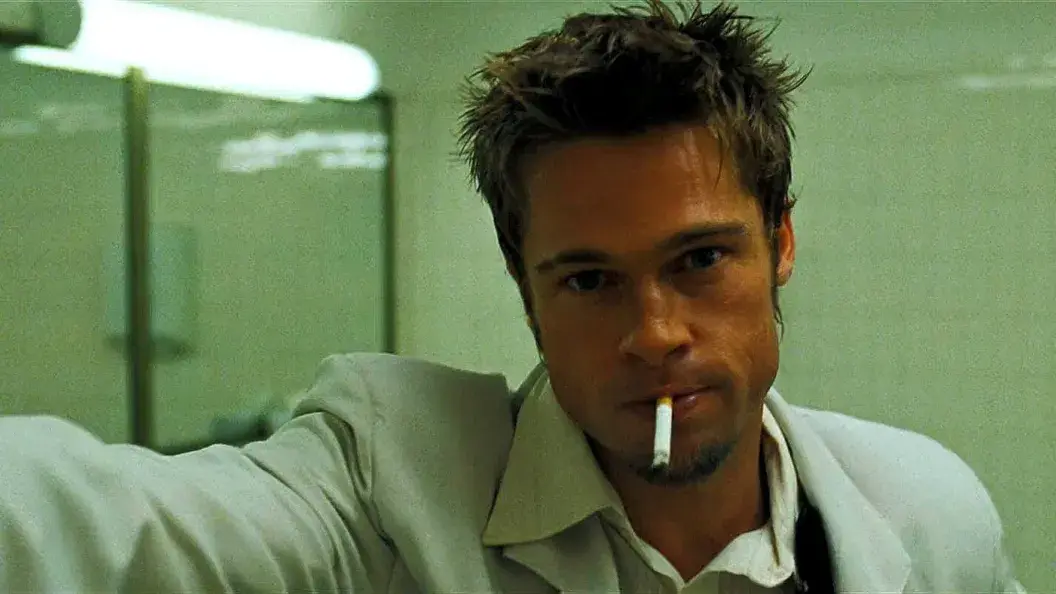
The Spark of Controversy
In October 1999, director David Fincher released Fight Club, a film that initially sparked outrage before it could even reach theaters. The movie, adapted from Chuck Palahniuk’s novel, joined a lineup of landmark films that year, including The Matrix, The Sixth Sense, Magnolia, American Beauty, and The Blair Witch Project.
Culture picks
 New Shonen Jump Manga Fixes Long‑Standing Genre Flaw
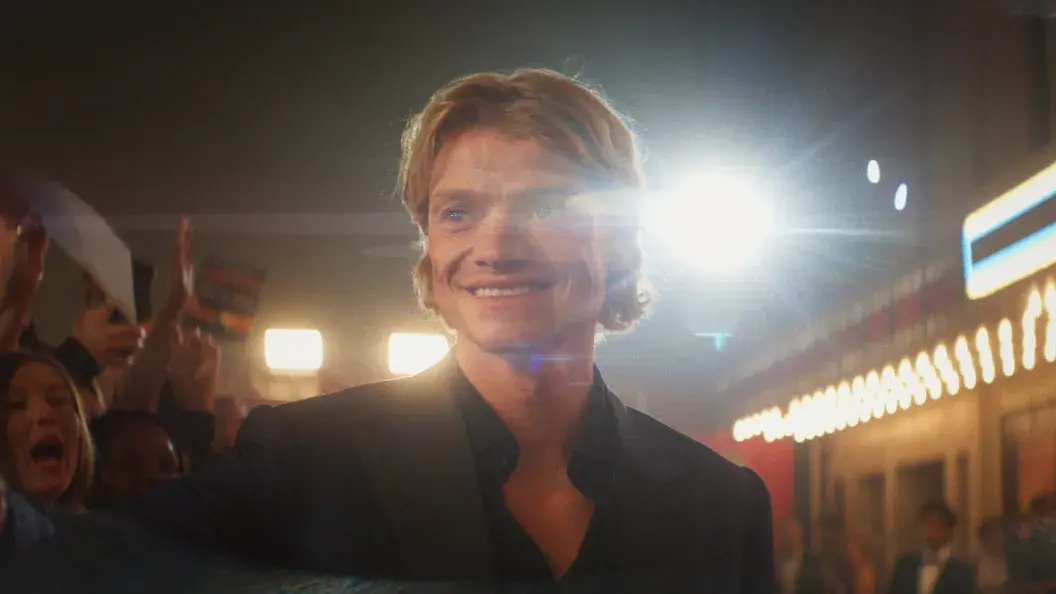 Clayface: DCU’s First R‑Rated Horror Film Set to Shock Gotham
 Prime Video Casts Rising Stars Esther McGregor and Emilio Sakraya as Violet and Xaden in New Romantasy Series
 MAMA Awards 2026 Set to Spotlight K‑Pop Powerhouses in Osaka
Fight Club’s debut came at a time when Hollywood was producing some of the decade’s most influential works. While The Matrix redefined sci‑fi action and The Sixth Sense captured audiences with its twist, Fight Club stood out for its provocative themes and unconventional storytelling. The film’s early reception was mixed; critics and viewers alike reacted sharply to its raw depiction of masculinity and consumer culture.
Why It Became a Cultural Touchstone
From the moment trailers were released, Fight Club drew intense scrutiny. Many viewers felt the film’s gritty visuals and unsettling narrative would offend. Critics questioned its portrayal of violence and its critique of modern society. Despite—or because of—this backlash, the movie quickly gained a cult following. Fans appreciated its subversive take on identity and the allure of underground fighting circles, while others condemned it for glorifying chaos.
The controversy also highlighted the power of marketing. Fincher’s team leveraged the film’s provocative nature to generate buzz, ensuring that discussions about Fight Club dominated late‑night talk shows and online forums. The dialogue around the movie helped it stand out in a crowded market of 1999 releases.
Fight Club’s lasting impact stems from its bold narrative choices and sharp social commentary. The film’s exploration of consumerism, alienation, and the search for authenticity struck a chord with a generation disillusioned by rapid technological change and economic uncertainty. Its memorable lines, such as „I am Jack’s first name,” became part of everyday conversation, cementing the film’s place in popular culture.
How the Film Shaped Future Cinema
The movie’s influence extended beyond cinema. Its themes inspired discussions in philosophy, psychology, and even business circles, where the idea of „toughening up” was applied to corporate culture. Moreover, Fight Club’s visual style—dark, gritty, and stylized—set a new standard for action dramas, influencing subsequent filmmakers who sought to blend realism with stylized storytelling.
Fight Club’s success paved the way for more daring, genre‑blending projects. It encouraged studios to invest in films that challenged conventional narratives and tackled complex social issues. The movie’s legacy can be seen in later works that blend satire, action, and psychological depth, such as The Social Network and Inception. Additionally, the film’s cult status demonstrates how initial controversy can transform into long‑term cultural relevance.
What made Fight Club stand out among 1999 releases? Its unapologetic critique of consumer culture and its raw, underground fight scenes set it apart from other films that year, which leaned more toward mainstream appeal.
# Frequently Asked Questions
Did the controversy hurt the film’s box office performance? Initially, the backlash led to mixed reviews, but the buzz ultimately drove audience curiosity, resulting in strong box office returns and a lasting cult following.
How has Fight Club influenced modern filmmaking? The film’s blend of social commentary, stylized visuals, and non‑linear storytelling has inspired a generation of directors to create works that challenge audiences and explore complex themes.