A Cold War Ghost Story
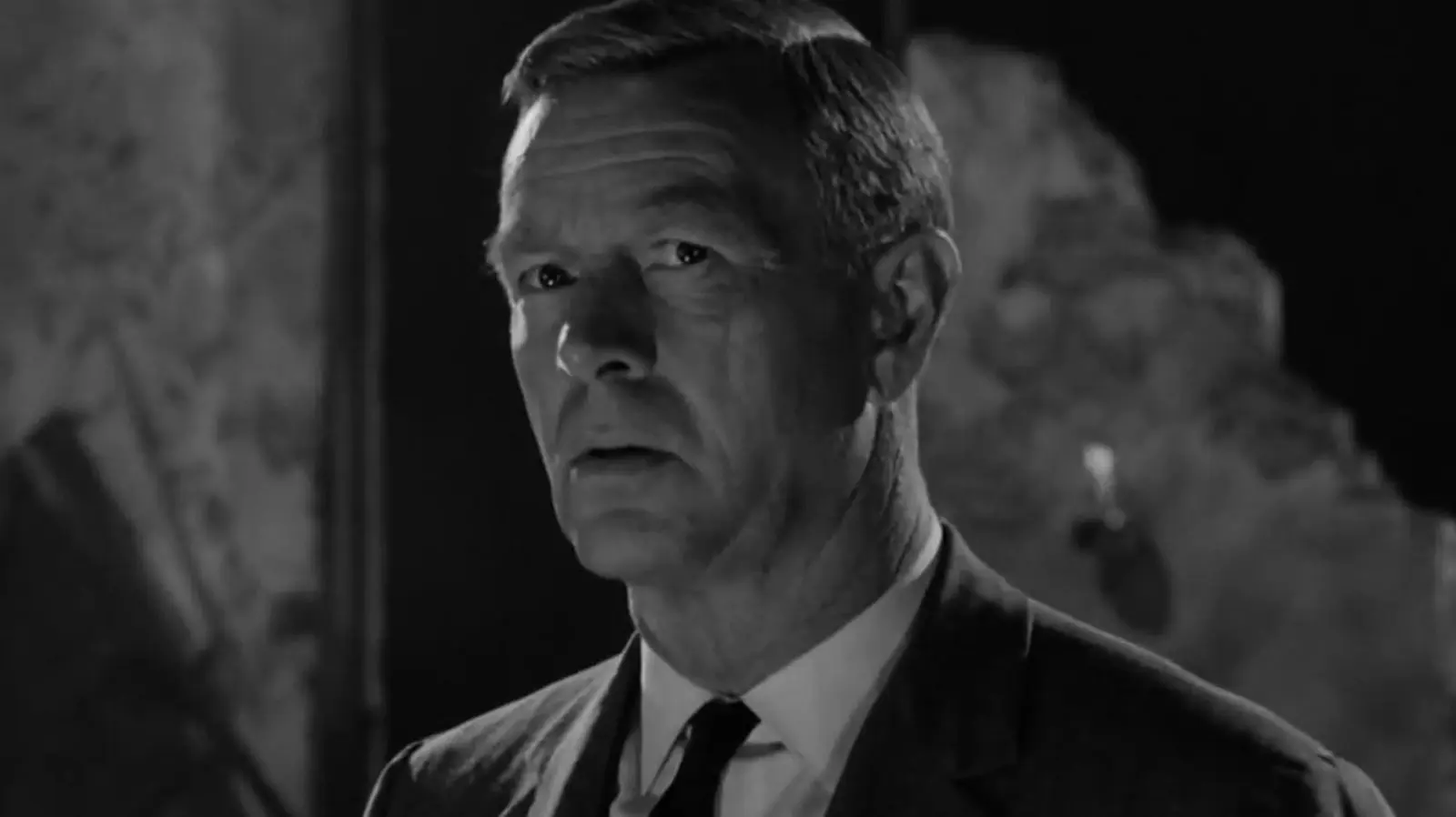
In 1964, legendary writer Rod Serling took on the daunting task of adapting Charles Dickens’ A Christmas Carolfor television. Directed by Joseph L. Mankiewicz, the project, titled Carol for Another Christmas,aired on ABC. It remains a polarizing entry in the history of holiday television adaptations due to its unconventional narrative approach.
Culture picks
 Rare 1940 Batman Comic Emerges as a Historical Treasure
 Star Wars Franchise Faced Internal Friction Over Scrapped Acolyte Storyline
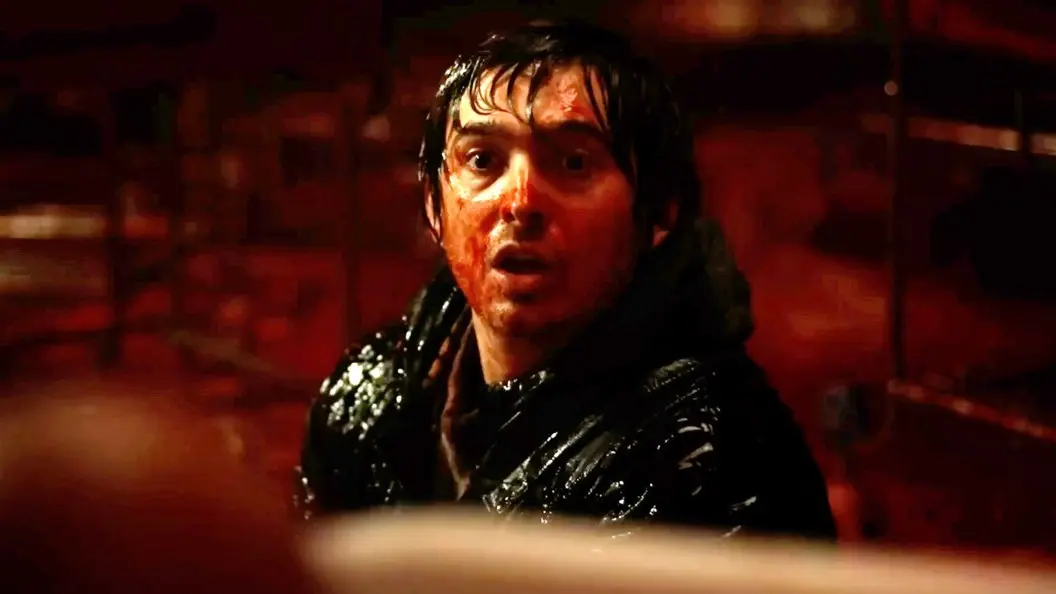 A Fresh Direction for the Resident Evil Cinematic Universe
 Three Essential Anime Series for Fans Seeking the Naruto Experience
Rather than sticking to the Victorian setting of the original novel, Serling reimagined the story as a bleak critique of post-World War II American isolationism. The production utilized a surrealist tone that departed significantly from the cozy, festive atmosphere audiences typically expected from Dickens. By shifting the focus to geopolitical anxieties, the creators aimed to challenge viewers rather than provide comfort.
The narrative follows a wealthy industrialist who, much like Ebenezer Scrooge, is visited by three spirits on Christmas Eve. However, these ghosts represent the horrors of modern warfare and the consequences of global apathy. The production design and script emphasized a sense of impending doom, reflecting the intense nuclear fears prevalent during the early 1960s.
Was the Adaptation Too Radical for Its Time?
Critics at the time were divided by the film’s heavy-handed political message and its departure from traditional holiday themes. While some praised Serling’s ambition and the high production value provided by Mankiewicz, others felt the adaptation was too grim for a family-oriented holiday broadcast. The film ultimately struggled to find a balance between its literary roots and its urgent, didactic social commentary.
The experimental nature of the project ultimately limited its reach and cultural longevity. By stripping away the warmth of the original story, the production alienated viewers who sought the familiar redemption arc of the classic tale. Despite its lack of commercial success, the film stands as a bold, if divisive, experiment in television storytelling.
Frequently Asked Questions
Today, the project is remembered primarily as a curiosity for fans of Serling’s work. It highlights his tendency to use speculative fiction as a vehicle for moral instruction. While it never became a holiday staple, it remains an essential study of how creators can transform beloved literature into platforms for contemporary political debate.
Why did the production choose to move away from the Victorian era? The creators wanted to modernize the story to address pressing Cold War issues like isolationism and nuclear proliferation. They believed the original themes could be more effectively communicated through a contemporary lens.
Did the adaptation feature the same characters as the original book? The film kept the structure of the three spirits visiting a miserly protagonist, but updated the characters to fit a modern setting. The industrialist protagonist serves as a direct parallel to Ebenezer Scrooge in a 20th-century context.