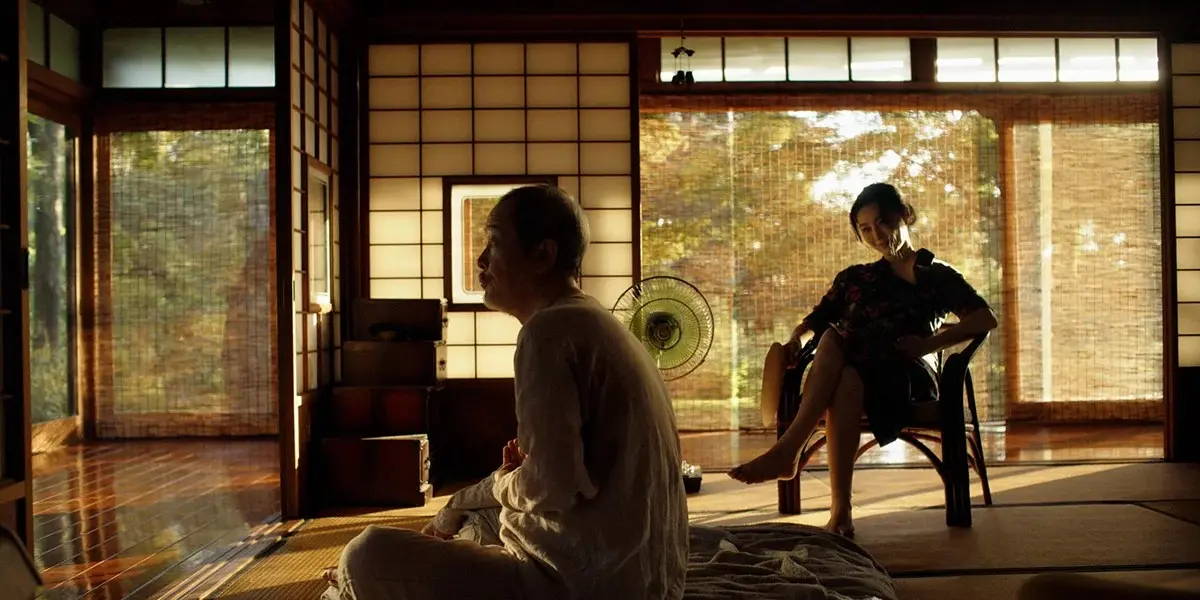
A Lifeless Adaptation That Misses the Mark
The story follows an elderly stroke survivor who develops an inappropriate obsession with his daughter-in-law, exploring themes of lust, mortality, and social decay. Wang's first feature since 2019 premiered recently, bringing this Japanese literary classic to contemporary audiences through a cross-cultural lens.
Culture picks
 Lanterns Star Poorna Jagannathan Analyzes Zoe’s Dark Turn in Episode Five
 ABC’s 14‑Part Cyberpunk Series Calls for Black Mirror‑Level Recognition
 Star Trek: Strange New Worlds Announces Genre Shift for Final Six Episodes
 Céline Dion Returns to Paris Stage After Six-Year Absence
Wang fails to capture Tanizaki's sharp psychological insight, instead presenting a flat portrayal of sexual frustration and decline. The director's restrained approach strips away the novel's provocative edge, leaving only surface-level melodrama. Fan Bingbing's performance as the object of desire lacks the complexity needed to elevate material that already struggles with uncomfortable power dynamics. The film's pacing drags through predictable scenes of domestic tension, never building toward meaningful revelations about its central characters' moral ambiguity.
Can Aging Desire Translate Across Cultures?
The adaptation raises questions about whether Tanizaki's distinctly Japanese perspective on aging masculinity resonates with international audiences. Wang's multicultural casting and setting changes feel superficial rather than thoughtful, suggesting a lack of deep engagement with the source material's cultural specificity. The film's reluctance to fully commit to its provocative premise results in a sanitized version that avoids the novel's darker implications about family corruption and social rot.
Critics note that the movie's most significant achievement is simply surviving its own awkward premise without completely derailing. However, this minimal success feels insufficient given the rich psychological territory Tanizaki originally explored. The film ultimately confirms that some literary works lose essential meaning when translated to screen without bold directorial vision.
What makes Tanizaki's original novel controversial? The 1962 work shocked readers with its unflinching portrayal of an elderly man's sexual obsession with his daughter-in-law, challenging post-war Japanese social norms about aging and family loyalty.
Frequently Asked Questions
How does Fan Bingbing's performance compare to the source material? Her interpretation lacks the nuanced vulnerability that makes the daughter-in-law character compelling in the novel, instead presenting a more conventional romantic interest without psychological depth.
Will this adaptation affect future Tanizaki adaptations? The film's lukewarm reception suggests that successful literary adaptations require directors willing to embrace uncomfortable themes rather than soften them for broader appeal.