Can Blockbusters Successfully Balance Spectacle with Substance?
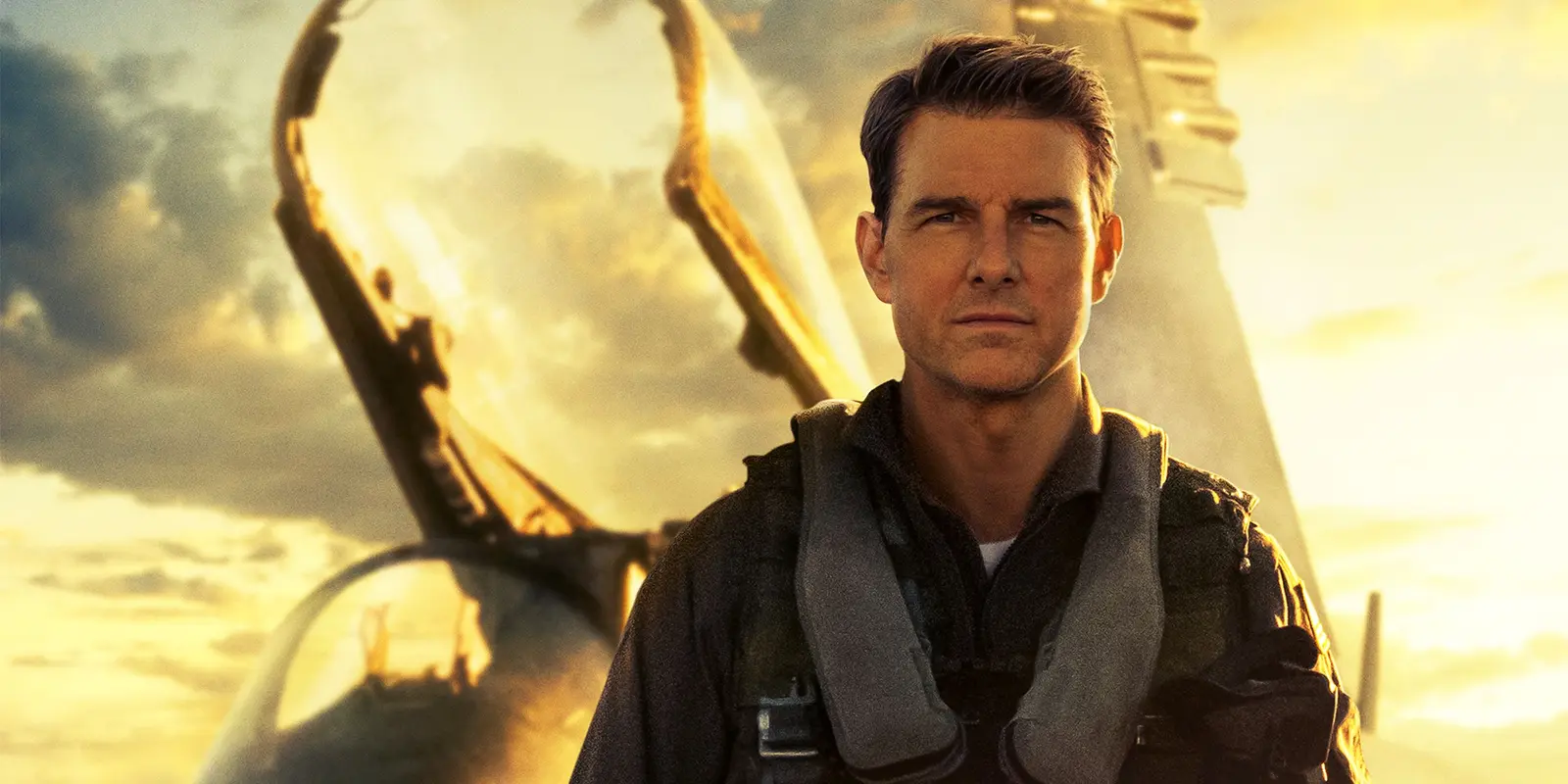
Tom Cruise's newest action thriller has emerged as both the most acclaimed and most controversial release of the year, drawing starkly different reactions from critics and general viewers. Released in theaters worldwide last month, the film showcases Cruise performing his signature high-risk stunts while exploring themes of loyalty and redemption in a high-stakes espionage narrative. Despite polarized reviews, box office numbers indicate strong audience turnout, suggesting a growing disconnect between critical consensus and popular appeal that has sparked intense debate across film communities.
Culture picks
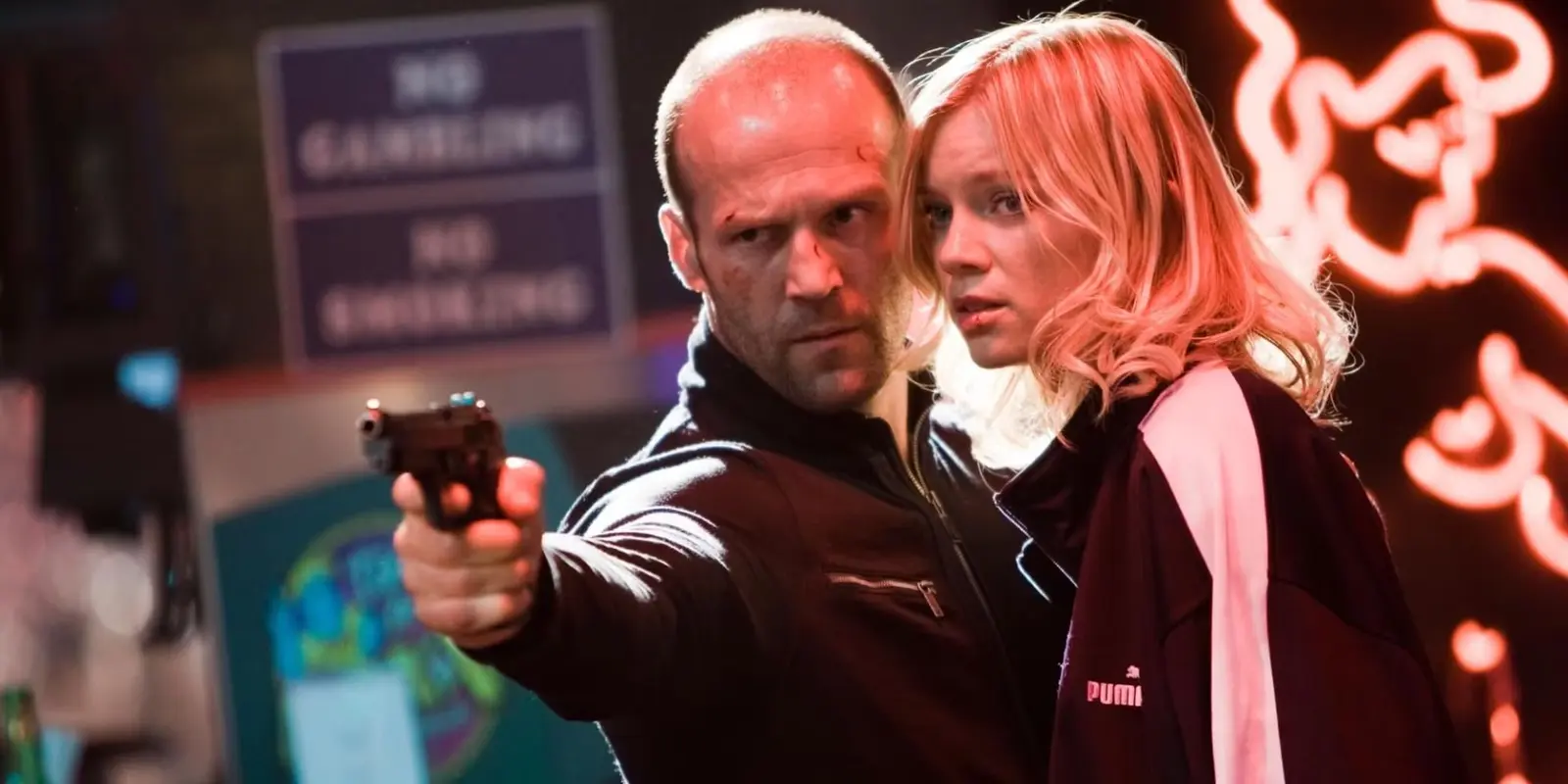 Top 10 Action Films Ranked for Intensity and Innovation
 First Novel Prize Shortlist Revealed by Center for Fiction for 2026
 Alan Ritchson’s Sci-Fi Video Game Adaptation Faces Major Delay
 Superman Fan Favorite Lands Role in Top Gun: Maverick Remake
The movie's divisive nature stems largely from its ambitious blend of practical effects-driven sequences and a more introspective character study than audiences typically expect from Cruise-led blockbusters. While some critics praise the film's commitment to real stunt work and emotional depth, others argue the pacing suffers during quieter moments, undermining the adrenaline-fueled promise of its marketing. Director Christopher McQuarrie, who has collaborated with Cruise on multiple projects, emphasized in recent interviews that the intentional tonal shifts were designed to challenge viewer expectations, stating that „true evolution in action cinema requires moments where the audience feels the weight beneath the spectacle.” How Do Practical Stunts Shape Modern Action Cinema?
The film's reliance on practical effects rather than CGI has reignited discussions about authenticity in action filmmaking, with cinematographers noting that Cruise performed over 80% of his own stunts, including a sequence involving a high-altitude jump that required six months of specialized training. Industry analysts point to this approach as a potential counterbalance to the increasing dominance of digital effects, though they caution that such methods significantly increase production timelines and costs. Stunt coordinator Wade Eastwood revealed that the production team built full-scale replicas of key sets to allow actors to rehearse complex sequences safely, a process that added approximately three weeks to the principal photography schedule but resulted in what he described as genuinely reactive performancesthat cannot be replicated through digital means.
Audience exit polls conducted by major theater chains indicate that while 78% of viewers rated the stunt sequences as exceptionalor outstanding,only 52% felt the dramatic elements were equally satisfying, highlighting the core tension in the film's reception. This split has led to varied interpretations of the movie's legacy, with some suggesting it represents a necessary evolution for the genre, while others view it as a misstep in tonal execution. Social media analysis shows that discussions about the film's quieter scenes have generated more sustained engagement than conversations about its action set pieces, suggesting that the ambitious character moments, despite their divisiveness, have resonated deeply with a segment of the viewing public.
Frequently Asked Questions
What specific stunt sequences required the most extensive preparation for Tom Cruise? The high-altitude jump sequence necessitated six months of specialized training including wind tunnel work, altitude acclimatization, and parachute technique refinement, while the helicopter chase scene required Cruise to obtain additional flight certifications and practice coordinated maneuvers with pilots over a three-month period.
How does this film's critical reception compare to Tom Cruise's previous collaborations with Christopher McQuarrie? Unlike their previous projects which generally received more uniform critical praise, this film shows the widest divergence between critic and audience scores in their partnership, with a 35-point gap on aggregate review sites compared to an average 12-point difference in their earlier works.
What impact might this film's approach have on future action movie productions? Industry observers suggest the film could encourage more productions to invest in practical stunt training despite higher costs, particularly as streaming platforms seek differentiated content, though widespread adoption would likely depend on demonstrating clear audience preference for such approaches through sustained box office performance.