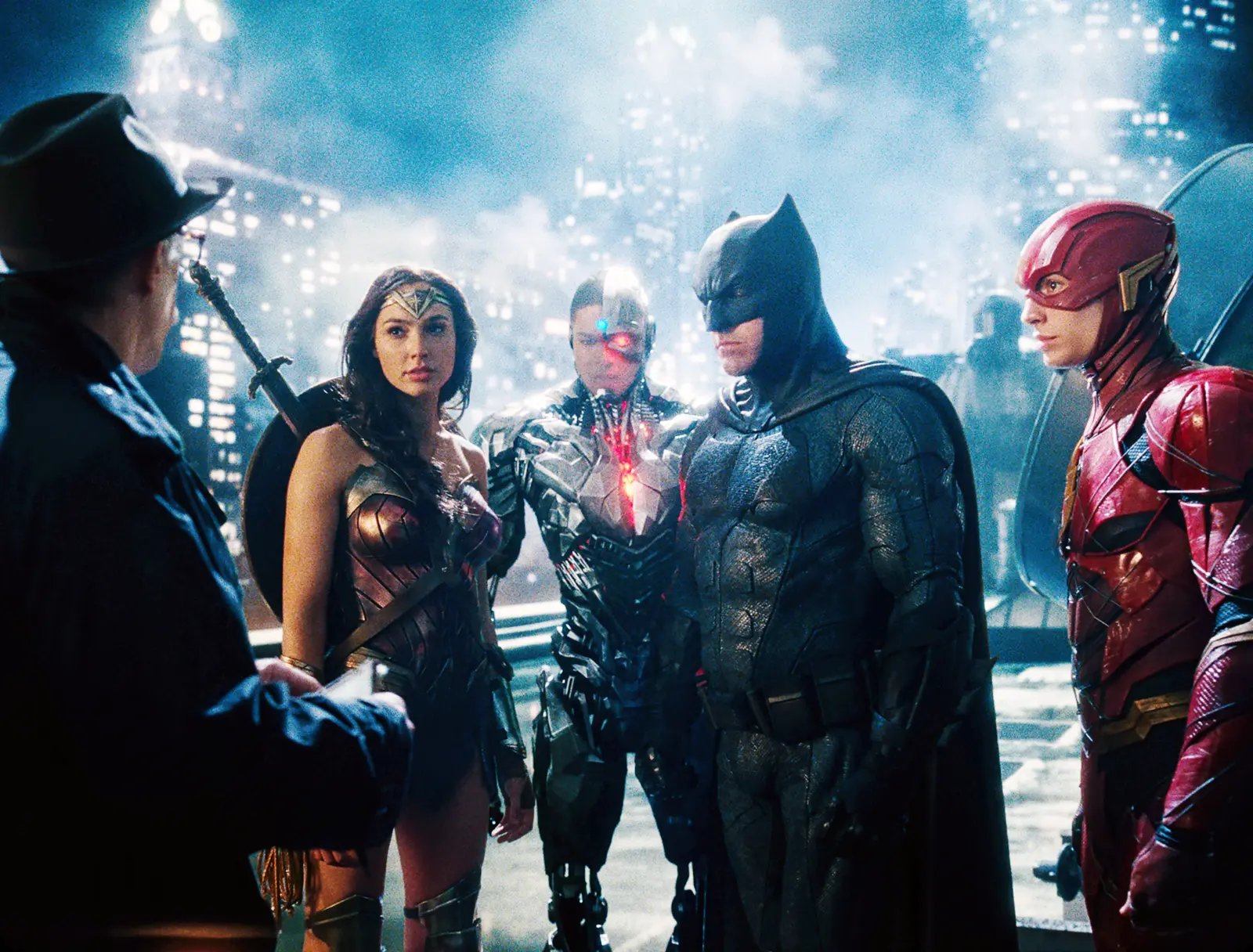
How the Studio Shift Affected the Film’s Tone
In October 2026, Ben Affleck reflected on his experience with the 2017 Justice League film during an appearance on the Happy Sad Confused podcast, describing the reshoots as the lowest point of his career. He spoke candidly about the difficult process that followed Zack Snyder’s departure from the project, calling the situation gross and deeply unsettling. Affleck’s comments shed new light on the turbulent production that led to the film’s controversial release.
Culture picks
 Avatar: Seven Havens Launches on Paramount+—What It Means for Viewers
 Warner Music Sues EssilorLuxottica Over Unlicensed Music Use in Ray‑Ban Ad Campaign
 GENER8ION and Yung Lean’s „Storm II” Breaks Into Billboard Hot 100
 Kacey Musgraves Responds to Political Commentary at Country Music Awards
The actor revealed that after Snyder stepped away due to a family tragedy, Warner Bros. brought in Joss Whedon to oversee extensive reshoots and rewrite significant portions of the film. Affleck said the shift in tone and direction left him feeling disconnected from the character he had helped shape under Snyder’s vision. He described the reshoots as emotionally draining, noting that the pressure to deliver a lighter, more comedic version of the story clashed with the darker, more cohesive narrative originally planned. Affleck emphasized that the experience left him questioning his role in the franchise and his trust in studio decision-making.
What Did Affleck Learn From the Experience?
Affleck explained that Whedon’s involvement led to noticeable changes in dialogue, pacing, and character moments, many of which were filmed under tight deadlines and with limited input from the original cast. He recalled feeling that the reshoots prioritized studio expectations over narrative continuity, resulting in scenes that felt disjointed or forced. The actor specifically cited moments where humor was inserted inappropriately, undermining the gravity of key sequences. According to Affleck, these alterations contributed to the film’s uneven reception and left lasting dissatisfaction among those involved in the initial creative process.
Despite the negative experience, Affleck said he gained valuable insight into the complexities of big-budget filmmaking and the influence of studio interference. He expressed regret that the final product did not align with the collaborative vision he and Snyder had worked to build. Affleck noted that the ordeal reinforced his desire to work on projects where creative integrity is respected and where artists have meaningful input throughout production. He also acknowledged that speaking openly about the experience has helped him process the challenges and move forward with clearer boundaries in future collaborations.
Frequently Asked Questions
Why did Ben Affleck call the Justice League reshoots the low point of his career? Affleck described the reshoots as emotionally gross and professionally disheartening, citing the abrupt shift in tone, lack of creative control, and the pressure to conform to studio demands after Zack Snyder’s departure.
How did the studio’s decision to replace Zack Snyder affect the film? Warner Bros. brought in Joss Whedon to lead reshoots after Snyder exited due to a personal tragedy, resulting in significant changes to the script, tone, and editing that diverged from the original vision and left the cast feeling disconnected from the project.