How Does Animals Reimagine The Original Story
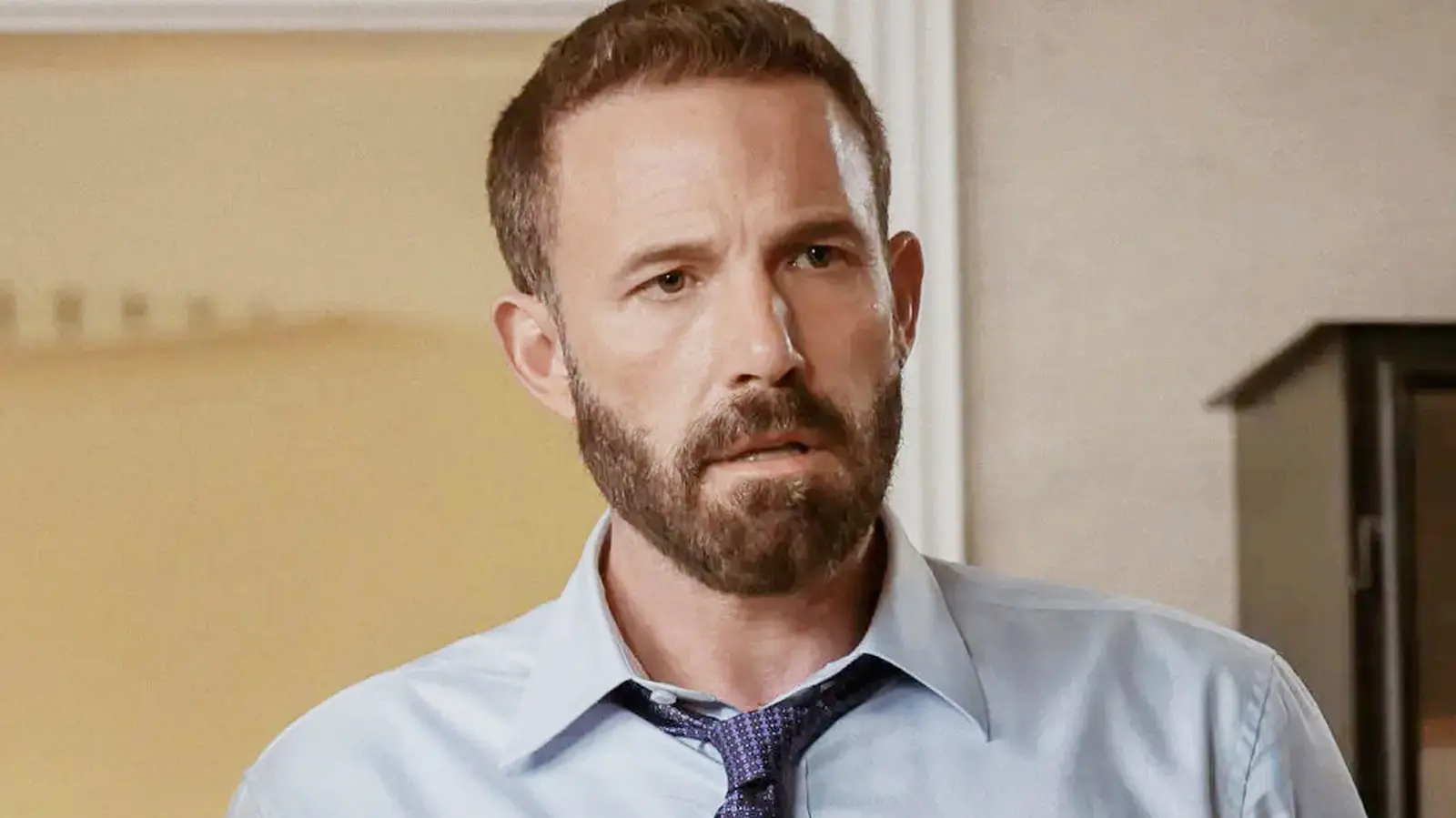
Ben Affleck's new Netflix film Animals, released in October 2026, has been revealed as a covert remake of one of the most acclaimed crime thrillers in cinematic history. The movie follows a wealthy man whose son is kidnapped for a massive ransom, only to discover his fortune is inaccessible due to being locked in a failing venture. This premise closely mirrors the plot of the 1974 film The Taking of Pelham One Two Three, though Animals updates the setting to modern-day corporate finance and family dysfunction.
Culture picks
 Travis Scott Drops Astroworld Sample Lawsuit After Songwriters Drop Claim
 Kevin Hart’s Golf Shot Hits Wedding Reception
 Harry Jowsey Says Marrying His Ex-Wife Was A Mistake
 Ella Langley Cancels Tulsa Performance Over Security Concerns
The connection was first noted by film critic Devin Meenan, who pointed out striking similarities in narrative structure, character motivations, and tense pacing between Animals and the original thriller. While Affleck's version changes the antagonists from subway hijackers to corrupt business partners and shifts the location from New York City to a coastal estate, the core dilemma remains: a father must navigate bureaucratic and financial obstacles to save his child. The film avoids direct acknowledgment of its inspiration, presenting itself as an original story despite clear thematic and plot parallels.
Animals reworks the classic hostage negotiation framework by replacing the urban transit setting with a high-stakes world of private equity and family trusts. The kidnapped boy’s father, played by Affleck, cannot access his wealth because it is invested in a collapsing green energy startup, adding a layer of modern financial anxiety absent in the 1974 version. This update reflects contemporary concerns about illiquid assets and the fragility of seemingly secure fortunes. The kidnappers, meanwhile, are portrayed not as professionals but as disgruntled former employees seeking revenge, which shifts the tone from procedural crime to personal betrayal.
What Does This Remake Say About Modern Audiences
The film also alters the resolution, emphasizing emotional reconciliation over tactical precision. Unlike the original’s focus on police procedure and split-second timing, Animals spends significant time on the father’s guilt over neglecting his family in pursuit of success. This psychological depth distinguishes it from its source material while preserving the suspenseful core. Critics have noted that these changes make Animals feel less like a copy and more like a reinterpretation through the lens of 21st-century wealth anxiety.
By hiding its remake status, Animals invites viewers to engage with the story on its own terms before recognizing its roots. This approach suggests that streaming-era audiences may appreciate familiar narratives more when they are disguised as original content. The film’s performance on Netflix has been strong, indicating that viewers respond well to updated versions of proven stories, especially when they reflect current societal anxieties. However, some film purists have criticized the lack of transparency, arguing that audiences deserve to know when they are watching a reinterpretation rather than a wholly new creation.
The success of Animals could encourage more studios to remake classic thrillers under the guise of original films, particularly for streaming platforms where brand recognition is less critical than novelty. This trend risks blurring the line between homage and duplication, raising questions about creativity in an era of algorithm-driven content. For now, Animals stands as a compelling example of how old stories can be reshaped to feel new—even when their origins remain unspoken.
Frequently Asked Questions
Is Animals officially acknowledged as a remake of The Taking of Pelham One Two Three? No, the filmmakers have not publicly stated that Animals is a remake, and the film is marketed as an original Netflix production despite clear narrative similarities.
What changes were made to update the story for a modern setting? The transit hijacking was replaced with a family kidnapping tied to a failed business venture, and the antagonists shifted from criminals to former employees seeking personal revenge.
Why might the film have avoided labeling itself as a remake? Likely to avoid audience preconceptions and to allow the story to be judged on its own merits, leveraging the appeal of familiarity without triggering comparisons to the classic.