Why Preservation Efforts Are Racing Against Legal Chaos
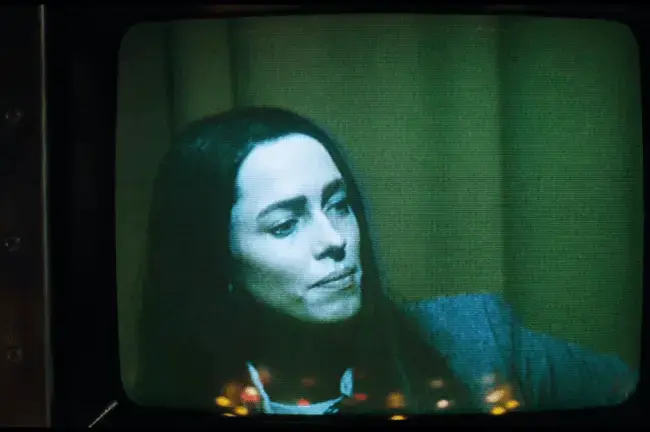
Ten years after its 2016 release, the critically acclaimed film Christinefaces an uncertain future as its original distributor’s bankruptcy threatens to erase the movie from circulation. Rebecca Hall, who starred in the lead role, has joined forces with the film’s creators to advocate for its preservation, fearing that a cascade of corporate failures in the industry could leave the title inaccessible to audiences and scholars alike.
Culture picks
 Tarantino’s Western, Dubbed „Best Directed Film Ever,” Achieves Global Streaming Triumph
 Nimrods Comedy Film Set for Digital Release After Theater Run
 Director of Solo Leveling Shares Fresh Insight on Jinwoo Ahead of New Film
 James Gunn's Superman Series Returns to HBO Max for Second Season
Directed by Antonio Campos and based on the true story of Christine Chubbuck, a television reporter who died by suicide on live air in 1974, Christinepremiered at the Sundance Film Festival to widespread praise for Hall’s intense performance and the film’s unflinching portrayal of mental health and media exploitation. Despite its critical success, the film’s distributor, a now-defunct independent label, entered bankruptcy proceedings shortly after release, disrupting rights management and leaving the film’s availability in legal limbo. Without a clear rights holder, streaming platforms and physical retailers have been unable to renew licenses, putting the film at risk of fading from public view.
Can a Film Survive When Its Distributor Dies?
Hall and Campos have been working with archivists and legal experts to trace the film’s current rights status, a process complicated by the distributor’s dissolution and subsequent asset sales to multiple entities. „We’re not just fighting for a movie — we’re fighting to keep a story that matters visible,” Hall said in a recent interview. „When companies collapse, art gets caught in the crossfire, and it’s often the most challenging, important work that disappears first.” The team is exploring options to secure a new distributor or partner with a nonprofit archive to ensure long-term access, but progress remains slow due to fragmented ownership and unclear contractual obligations.
The situation raises broader concerns about the fragility of digital-era film preservation, particularly for independent titles that lack the backing of major studios. Unlike blockbuster films with entrenched library deals, smaller productions like Christineoften rely on fragile distribution agreements that vanish when companies fail. Industry advocates warn that without systemic reform — such as mandatory rights escrow or public interest licensing — dozens of culturally significant films could suffer the same fate. As the tenth anniversary approaches, supporters are urging fans and institutions to advocate for the film’s rescue before it becomes another casualty of corporate instability.
What happened to the distributor of „Christine”? The film’s original distributor, an independent company that released it in 2016, filed for bankruptcy shortly after the movie’s debut, disrupting rights management and halting further distribution.
Frequently Asked Questions
Why is it difficult to re-release or stream Christinenow? Because the distributor’s assets were sold off in fragments during bankruptcy, no single entity currently holds clear rights, making licensing negotiations complex and time-consuming.
What are Rebecca Hall and the filmmakers doing to save the film? They are collaborating with legal and archival experts to trace ownership, explore partnerships with nonprofit archives, and push for a new distribution agreement to ensure the film remains accessible.