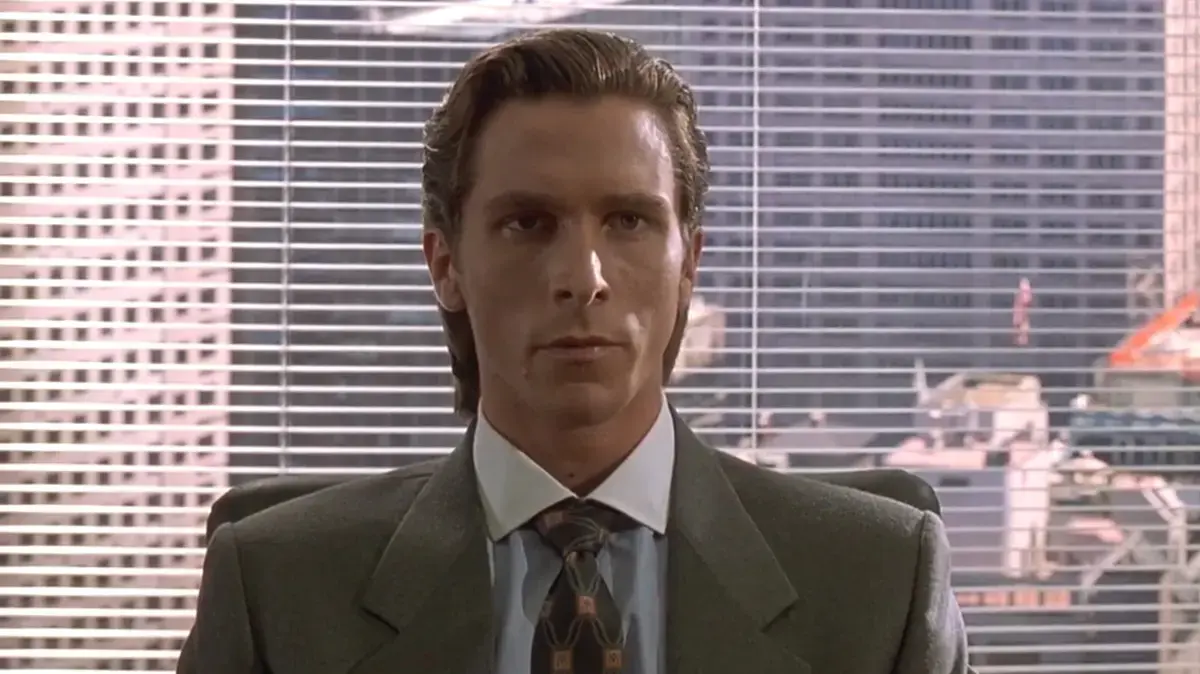
Breaking the Rules: A Creative Decision
When Mary Harron and Guinevere Turner adapted American Psychofor the screen, they established two guiding principles for the film. Released in 2000, the movie sparked intense debate among viewers, blending horror and satire in a unique way.
Culture picks
 StarCraft Reboot Shifts to Open-World Third-Person Action in 2030
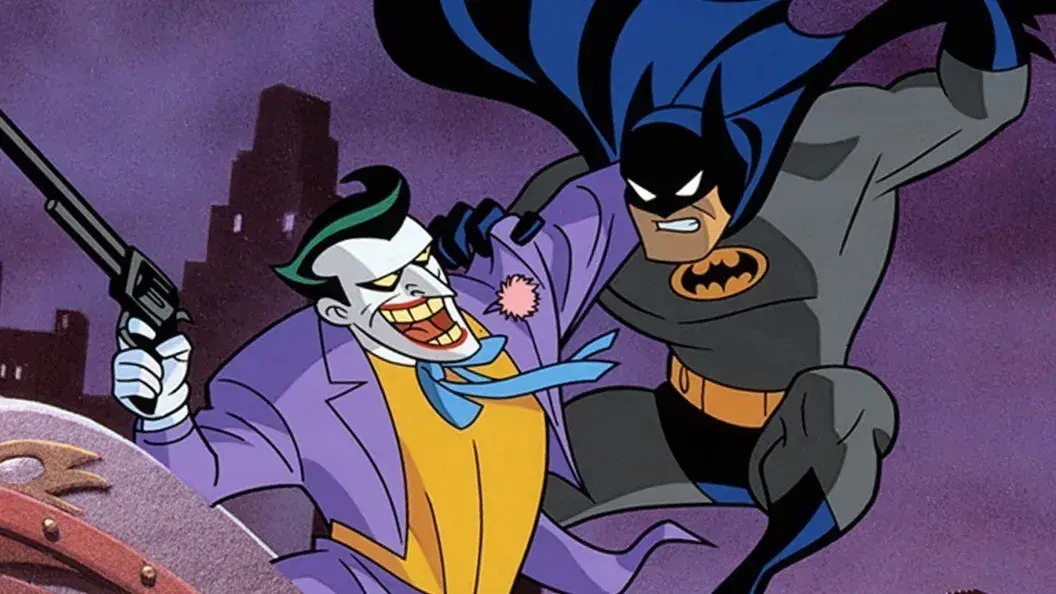 39 Years Since a Cartoon Sparked an Animation Revolution
 Naomi Watts Honors David Lynch with Donostia Award at San Sebastian Film Festival
 Melissa Barrera Comments on Macklemore Receiving Support After Ed Sheeran Tour Cancellation
The filmmakers aimed to stay true to the essence of Bret Easton Ellis's novel while ensuring the film's tone remained consistent. However, they ultimately broke one of their own rules, which has sparked discussions about the film's impact and legacy. The focus on the character of Patrick Bateman, played by Christian Bale, led to a portrayal that some critics felt strayed from the original intent.
Harron and Turner believed that the film should avoid glamorizing violence. They wanted to critique consumerism and the superficiality of the 1980s. Yet, the film's depiction of Bateman's violent acts became a focal point, leading to accusations of glorifying his character. This contradiction has made American Psychoa subject of continued analysis and debate.
What Makes American Psycho Timeless?
The film's release coincided with a growing interest in psychological thrillers, making it a significant entry in early 2000s cinema. Despite mixed reviews at the time, it has since gained a cult following, becoming a staple in discussions about horror and satire. The film's commentary on capitalism and identity resonates with audiences, ensuring its relevance even years after its debut.
The enduring popularity of American Psychocan be attributed to its sharp critique of societal norms. The film's blend of dark humor and horror allows for a unique exploration of identity and morality. Christian Bale's iconic performance has also contributed to its status, as viewers remain fascinated by Bateman's complex character.
As discussions about the film continue, it raises questions about the boundaries of art and morality. The filmmakers’ intentions versus the audience's interpretation creates a rich ground for debate. This dynamic keeps the film alive in cultural conversations, illustrating how art can challenge societal views.
The legacy of American Psychois one of contradiction. While the filmmakers aimed to critique violence and consumerism, the film's portrayal of these themes has led to varied interpretations. As audiences reflect on its messages, the film remains a compelling study of human nature and societal flaws.
Frequently Asked Questions
What are the main themes of American Psycho? The film explores themes of identity, consumerism, and the superficial nature of society. It critiques the moral decay of the 1980s through its protagonist, Patrick Bateman.
Why did American Psycho receive mixed reviews upon release? Critics were divided over its portrayal of violence and satire. Some felt it glamorized its violent themes, while others appreciated its social commentary.
How has American Psycho's reputation changed over time? Initially met with mixed reactions, the film has since developed a cult following. It is now regarded as a significant work in the horror genre, often discussed for its cultural relevance.