The Philosophical Roots of Dimensional Conflict
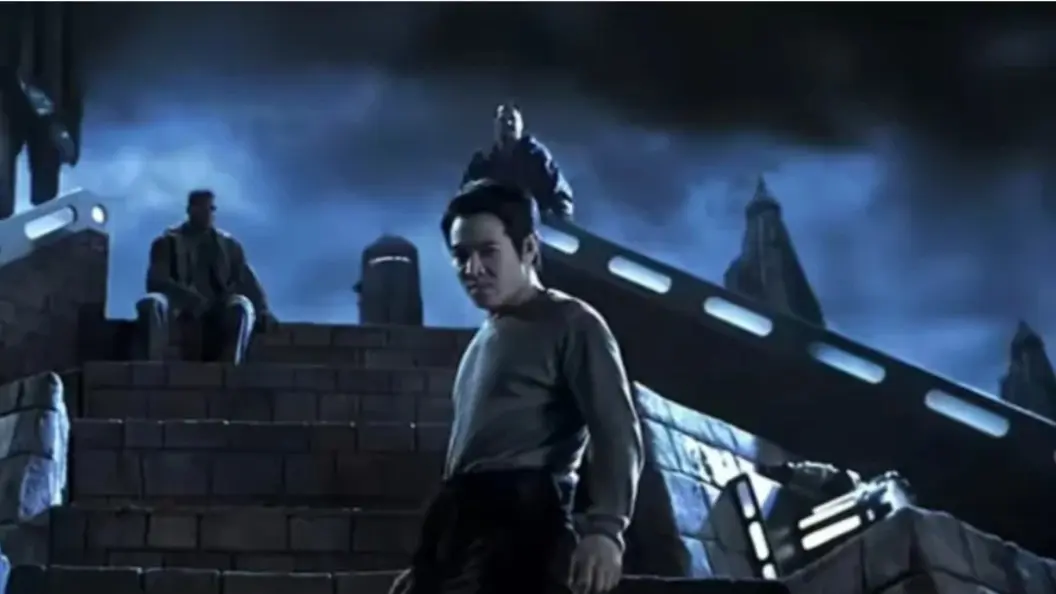
Jet Li’s high-octane science fiction thriller, The One, celebrated its twenty-fifth anniversary this November. Released on November 2, 2001, the film explores a complex multiverse where individuals exist across multiple realities. Its milestone arrives just as the second season of the Apple TV series Dark Matter concludes its run.
Culture picks
 The Curse of the Silver Screen Pixel Adaptation
 Binge-Worthy Streaming Gems Under Ten Episodes
 Scarlett Johansson's Overlooked Sci-Fi Masterpiece on Netflix Is a Must-Watch
 Youth Creator Sharon Horgan on the Final Season and HBO's Future
The film follows a rogue agent determined to eliminate his alternate selves to gain god-like power. By traveling through different dimensions, the protagonist absorbs the energy of his counterparts. This narrative structure mirrors the themes found in modern streaming hits like Dark Matter, which also focuses on characters navigating shifting realities.
At its core, The One examines the consequences of a fragmented identity. The story posits that every choice creates a branching path, leading to infinite versions of the same person. While modern shows utilize high-budget visual effects, this early 2000s production relied on intense martial arts choreography to depict its interdimensional battles.
Could This Action Classic Shape Future Sci-Fi Narratives?
The film’s legacy is defined by its ambitious premise. It successfully blended traditional action cinema with speculative physics long before the multiverse became a standard trope in popular entertainment. Audiences who enjoyed the recent conclusion of Dark Matter will find familiar ground in this fast-paced exploration of parallel lives.
The enduring appeal of the film lies in its straightforward approach to a complicated concept. By limiting the scope to a personal struggle between versions of one man, it keeps the stakes grounded. This focus provides a clear blueprint for writers looking to balance high-concept science fiction with visceral, character-driven storytelling.
Frequently Asked Questions
As viewers move on from recent seasonal finales, revisiting this quarter-century-old title offers a fresh perspective on the genre's evolution. Its influence remains visible in how modern platforms handle the mechanics of alternate dimensions. The film stands as a testament to the lasting power of creative world-building in cinema.
What is the central premise of The One? The film follows a man who travels through the multiverse to kill his alternate selves. By doing so, he aims to absorb their power and become the only version of himself left in existence.
How does this film relate to modern streaming series? It shares thematic similarities with shows like Dark Matter, which also deal with characters traversing parallel realities. Both projects explore the psychological impact of seeing different versions of one's own life.