The Magic of Unscripted Moments
Some of cinema's most unforgettable moments were born from spontaneity rather than scripted lines. These scenes emerged during filming, showcasing actors' creativity and authentic reactions. They often transformed ordinary sequences into extraordinary cinematic experiences.
Culture picks
 Andrew Garfield’s Latest Action Feature Debuts on Digital Platforms
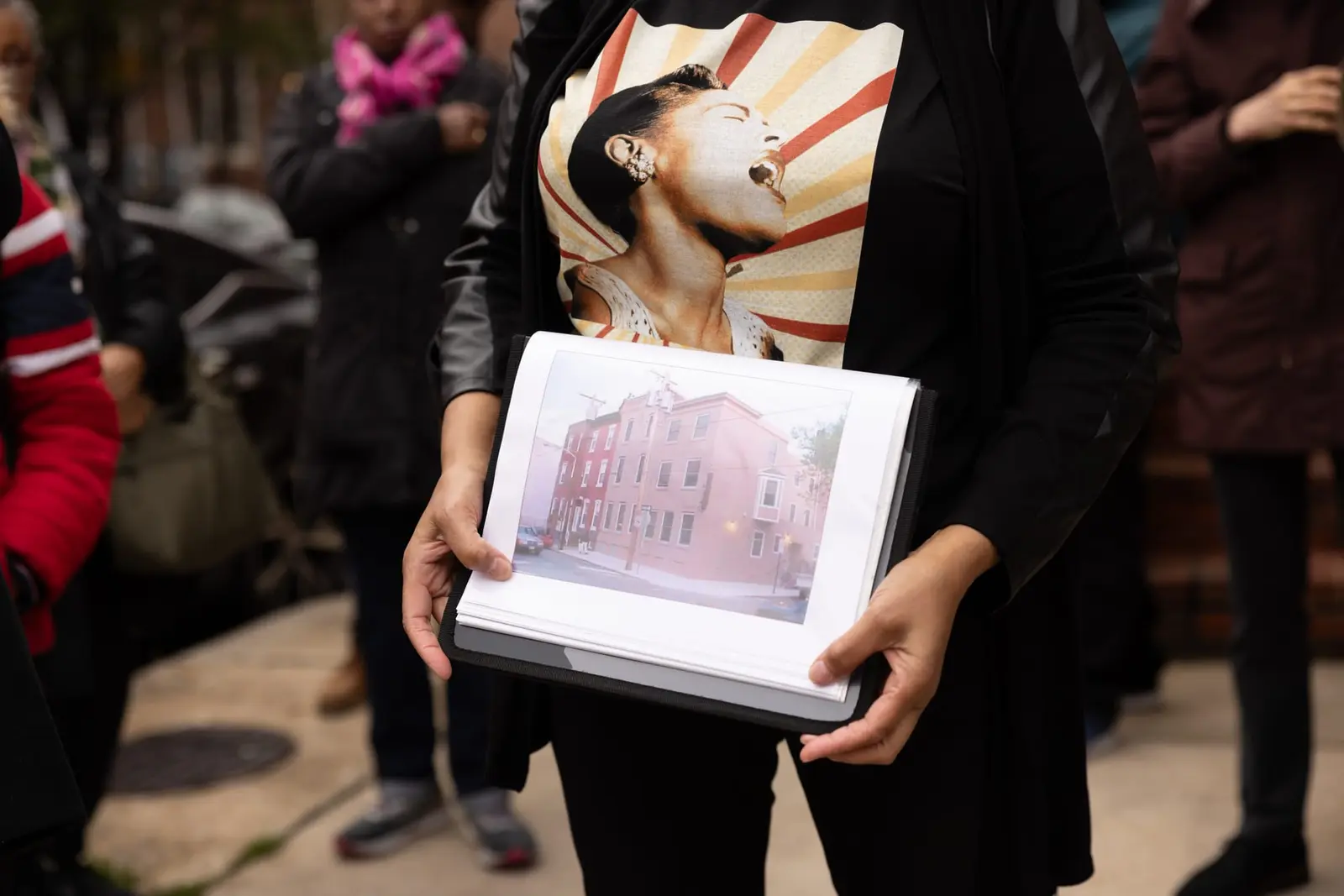 Fall of Freedom Unites Artists in a Nationwide Protest
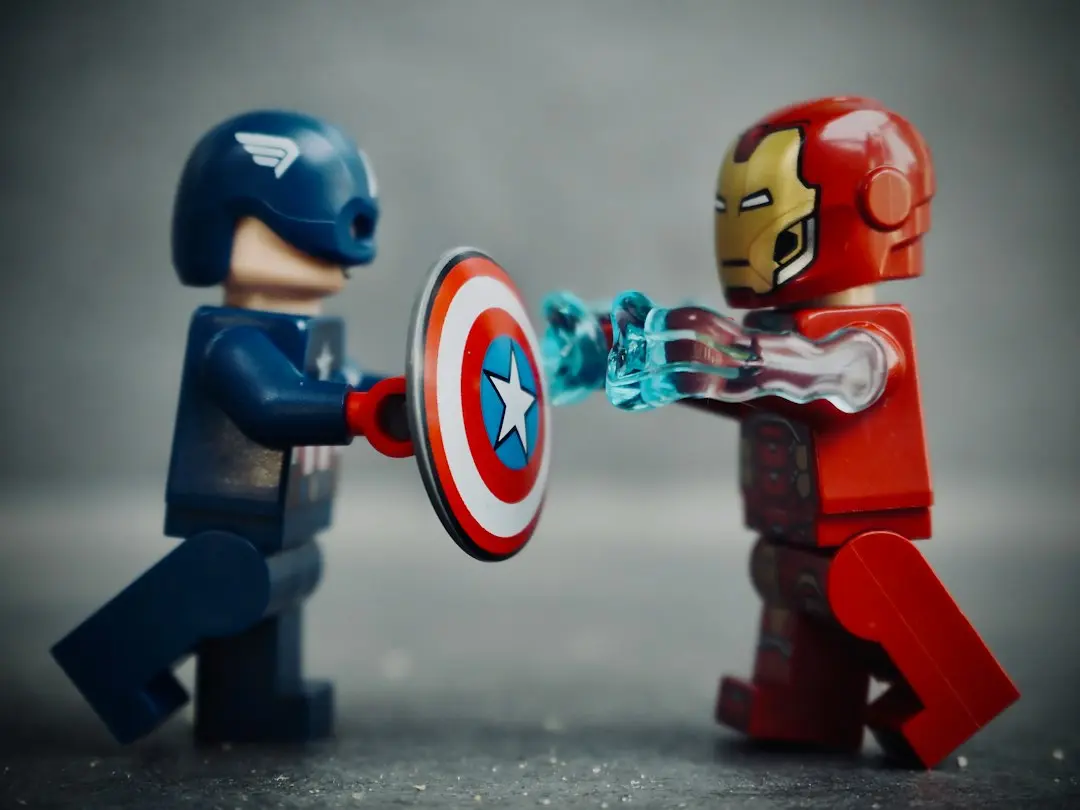 Marvel Studios Revisits Avengers: Endgame with New Extended Edition
 Donna Langley reveals strategy behind signing Taylor Sheridan
Improvisation in film can lead to surprising and memorable results. Actors sometimes deviate from the script, adding their personal touch or responding organically to fellow performers. This unpredictability often enhances the emotional depth of a scene, making it more relatable and engaging for audiences.
One famous example is from Casablanca,where Humphrey Bogart's character delivers the iconic line, Here's looking at you, kid. This line was not originally in the script but became a defining moment in film history. Similarly, in The Godfather, Marlon Brando’s improvised gestures during the opening scene added layers to his character, making him even more compelling.
Improvisation often occurs in high-pressure environments where actors must think quickly. For instance, Robin Williams was known for his ability to improvise, bringing a unique energy to films like Good Will Hunting. His spontaneous humor often left his co-stars surprised and delighted, resulting in genuine reactions that enhanced the film's overall impact.
Can Improvisation Make or Break a Scene?
While improvisation can elevate a scene, it can also pose risks. Directors must balance the spontaneity of actors with the film's narrative structure. In some cases, an improvised line may not fit the intended tone, leading to inconsistencies. However, when done right, it can create magic.
Consider the scene in Jawswhere Roy Scheider's character famously says, You're gonna need a bigger boat. This line was improvised and has since become a cultural reference point, illustrating how a simple moment can resonate with audiences for decades.
The impact of these improvised scenes extends beyond the films themselves. They often become defining characteristics of the movies, influencing how future films are made. The ability to adapt and innovate on set encourages a creative atmosphere, inspiring actors and filmmakers alike.
Frequently Asked Questions
As audiences increasingly seek authenticity in storytelling, the trend of improvisation in film is likely to continue. Filmmakers may embrace more flexible scripts, allowing actors to explore their characters in real-time. This approach can lead to richer narratives and deeper connections with viewers.
What is the role of improvisation in film? Improvisation allows actors to bring their unique interpretations to characters, often resulting in more authentic and relatable performances. It can enhance the emotional impact of scenes and create memorable moments.
Are all improvised scenes successful? Not necessarily. While some improvised moments become iconic, others may not fit the film's tone or narrative. Directors must carefully consider how improvisation aligns with the overall vision of the film.
How does improvisation affect the filmmaking process? Improvisation can create a dynamic and collaborative environment on set. It allows actors to explore their creativity, which can lead to unexpected and engaging moments that enrich the final product.