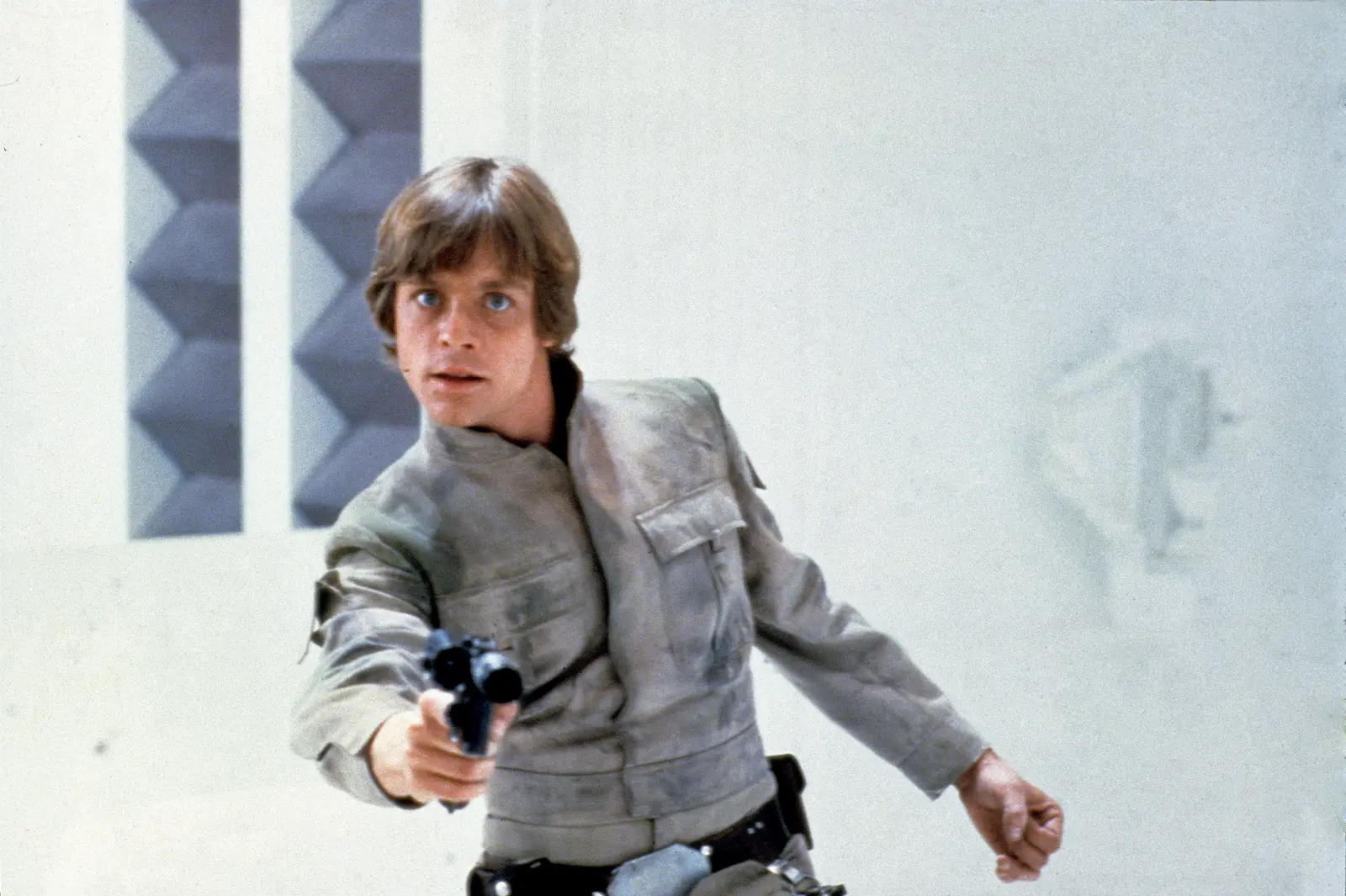
The Hidden Technology Behind the Trench Run
In a new chapter of the „Star Pilots” series, author Dr. Chris Kempshall tackles the long‑standing question of how Luke Skywalker managed the impossible shot that destroyed the Death Star. The revelation appears in the latest installment of the officially licensed Star Wars book, released this week, and promises to settle fan debates that have lingered for decades.
Culture picks
 Four Fantasy Books Deserve Perfect Scores and TV Adaptations
 Bob Dylan Stuns Oslo Crowd with Surprise Covers and Rare Deep Cut on Tour Opener
 Netflix Announces Major Leadership Shakeup Amid Workforce Reduction
 Street Fighter Fans Still Hope for Sequel Despite Film's Poor Reception
Kempshall explains that the key lay not in the Force alone but in a combination of precise piloting, a hidden sensor array, and a forgotten Imperial design flaw. By analyzing original blueprints and cross‑referencing pilot logs, he shows that Luke’s X‑wing was equipped with a makeshift targeting system that amplified his aim. The book also details how the Rebel Alliance’s intelligence network uncovered the flaw weeks before the battle, setting the stage for the iconic trench run.
The author reveals that a covert Rebel engineering team retrofitted Luke’s X‑wing with a prototype gyroscopic stabilizer. This device, originally intended for cargo transport, reduced turbulence during high‑speed maneuvers, allowing the pilot to maintain a steady line of sight on the exhaust port. Kempshall cites a recovered schematic that lists the stabilizer’s components, noting that the Rebel technicians sourced the parts from a decommissioned Imperial supply depot. „It was a gamble,” he writes, „but the risk paid off when Luke entered the trench.”
Did the Force Really Play a Role, or Was It Pure Skill?
Further, the book uncovers an Imperial oversight: the exhaust port’s shielding was deliberately weakened to facilitate maintenance. This vulnerability was documented in a maintenance manual that the Rebels intercepted. By exploiting this flaw, Luke’s proton torpedoes could penetrate the hull with a single hit. The combination of the stabilizer and the known weakness turned what seemed like a heroic miracle into a calculated strike.
While the technical explanations dominate the narrative, Kempshall does not dismiss the Force entirely. He argues that Luke’s connection to the Force gave him the reflexes needed to exploit the stabilizer’s capabilities fully. „The Force sharpened his perception, but the hardware did the heavy lifting,” he notes. This balanced view satisfies both the science‑focused fans and those who cherish the mystical aspects of the saga.
The book also addresses why the Empire never corrected the design flaw. According to Kempshall, bureaucratic inertia and a focus on larger projects left the exhaust port vulnerability unnoticed. This oversight, combined with the Rebels’ daring intelligence work, set the perfect stage for the historic victory.
The new revelations reshape how fans view one of cinema’s most celebrated moments. By grounding the event in plausible engineering, the story gains a fresh layer of realism while preserving its mythic status. Future Star Wars media may now incorporate these details, offering deeper continuity across the franchise.
Frequently Asked Questions
What evidence supports the stabilizer theory? Kempshall references recovered Rebel schematics and pilot testimonies that describe a gyroscopic device installed on Luke’s X‑wing shortly before the battle.
Why didn’t the Empire fix the exhaust port weakness? Internal Imperial reports indicate the issue was deemed low priority, and the maintenance manual containing the flaw was misplaced during a supply chain shuffle.
Will future movies acknowledge these technical details? The author suggests upcoming productions are likely to weave the stabilizer and design flaw into new storylines, enriching the canon with this newly confirmed backstory.