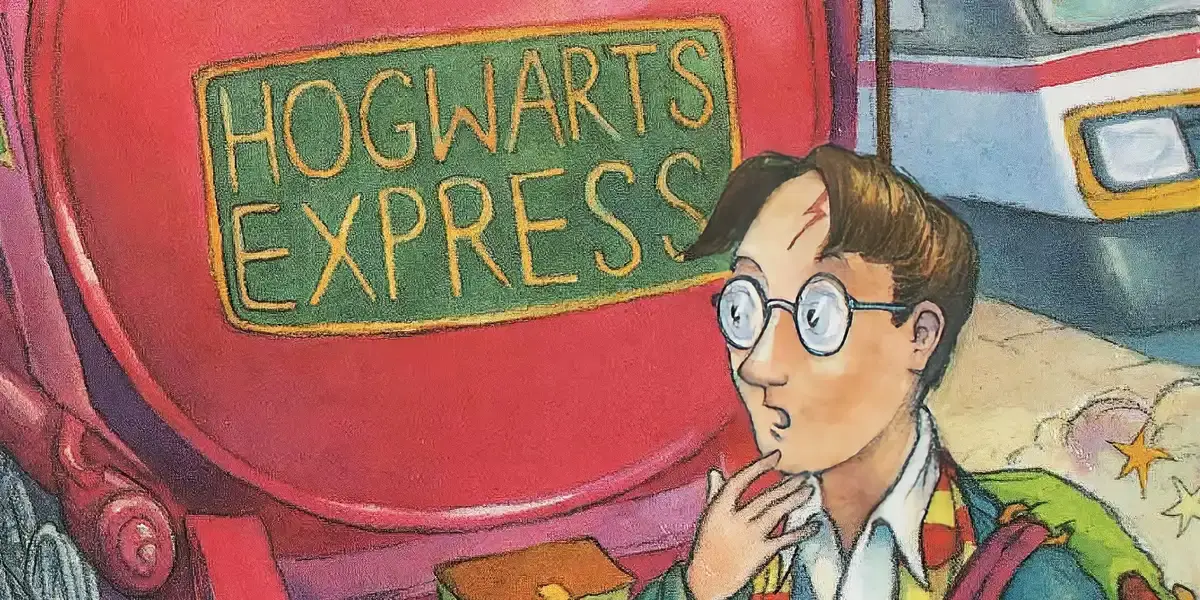
From Regency Romance to Wizarding Worlds
A wave of high‑profile television adaptations is set to roll out this year, prompting critics to urge audiences to read the source novels first. Among the titles are Jane Austen’s classic romance and J. K. Rowling’s beloved wizarding saga, both slated for fresh screen versions in 2026. Industry insiders say the books offer depth that early episodes often skim.
Culture picks
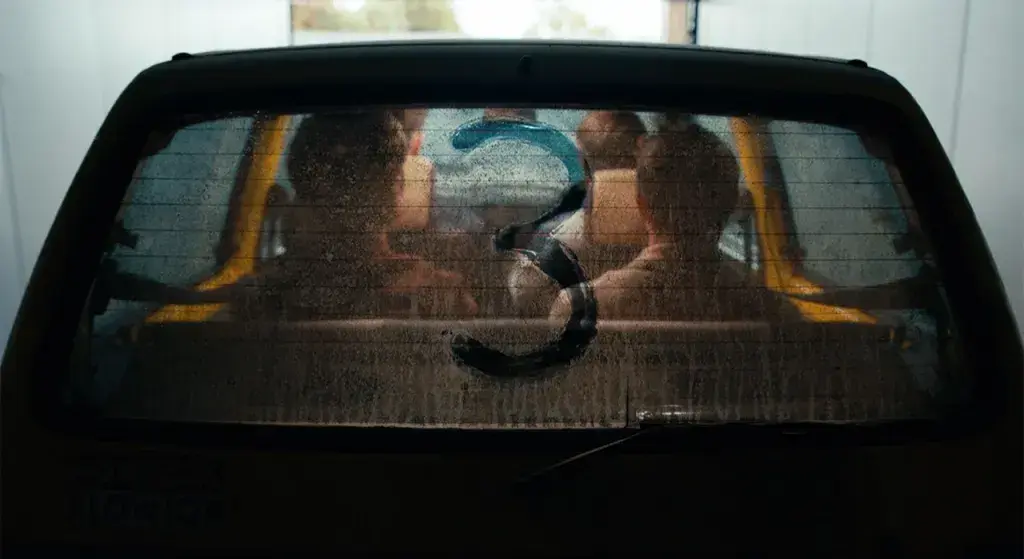 The Inbetweeners Return for Highly Anticipated Reunion Movie
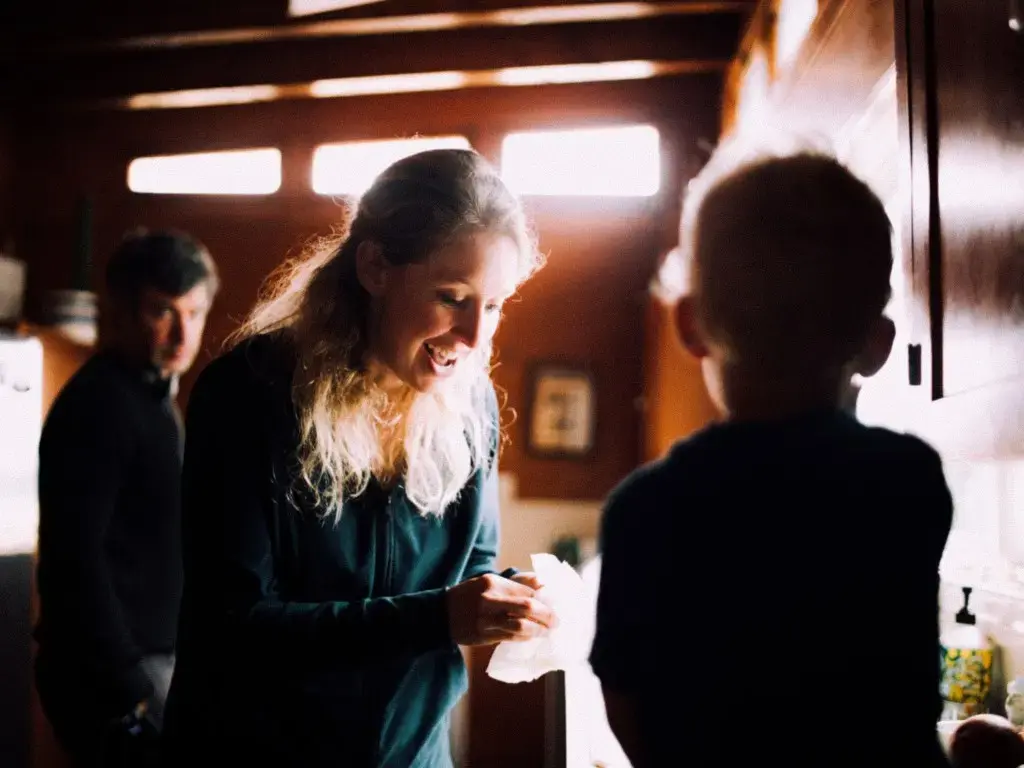 A Fresh Look at the Elizabeth Holmes Saga Through a Surreal Lens
 Jorge Perugorría and Thiago Lacerda Star in New Havana Drama Hotel Nacional
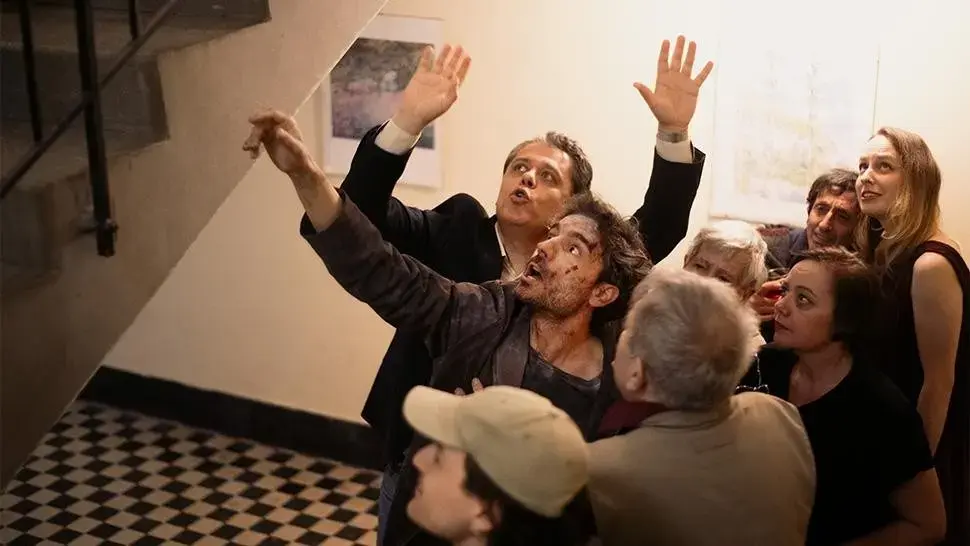 A Satirical Look at Bureaucratic Decay in New Hungarian Film Ground Floor
The push for pre‑viewing stems from a desire to preserve the original narratives’ nuance. Networks are betting on built‑in fan bases, yet streaming data shows viewers who read the books engage longer with the series. Producers argue that familiarity with characters and plot twists reduces churn. As a result, literary clubs are resurfacing, recommending the seven books that will soon dominate prime‑time slots.
Pride and Prejudice returns to the small screen with a contemporary director aiming to highlight its social commentary. Scholars note that Austen’s sharp dialogue and class critique remain relevant, especially as the adaptation explores modern gender dynamics. Meanwhile, the upcoming Harry Potter series promises to revisit the first novel’s magical curriculum, expanding on scenes omitted from the film franchise. Rowling’s estate has confirmed that the show will adhere closely to the original text, offering fans new insights into Hogwarts life.
Why Should Viewers Read the Books First?
Reading before watching equips audiences with context that enhances emotional resonance. Critics point out that literary details—inner monologues, subtle foreshadowing, and world‑building—often get lost in translation to visual media. „The depth of Austen’s character arcs can’t be fully captured in a 45‑minute episode,” says literary analyst Maya Patel. Similarly, the intricate spell system in the wizarding world benefits from the novel’s descriptive passages. Early readers report higher satisfaction and a stronger connection to the storylines once they appear on screen.
As the adaptations premiere, streaming platforms anticipate a surge in book sales, echoing past trends where television releases revived interest in classic literature. Publishers are preparing special editions timed with episode drops, hoping to capitalize on renewed enthusiasm. The synergy between print and screen may reshape how audiences discover and consume stories, reinforcing the timeless value of reading before watching.
Frequently Asked Questions
Which book on the list is most likely to attract new viewers? Harry Potter’s first novel remains the most recognizable, drawing both longtime fans and newcomers eager to explore the magical universe anew.
Will the TV versions stay true to the original plots? Producers have pledged fidelity to the source material, though some scenes will be condensed to fit episodic formats.
How can readers prepare for the adaptations? Joining discussion groups, reading companion guides, and noting key themes can deepen appreciation and enhance the viewing experience.