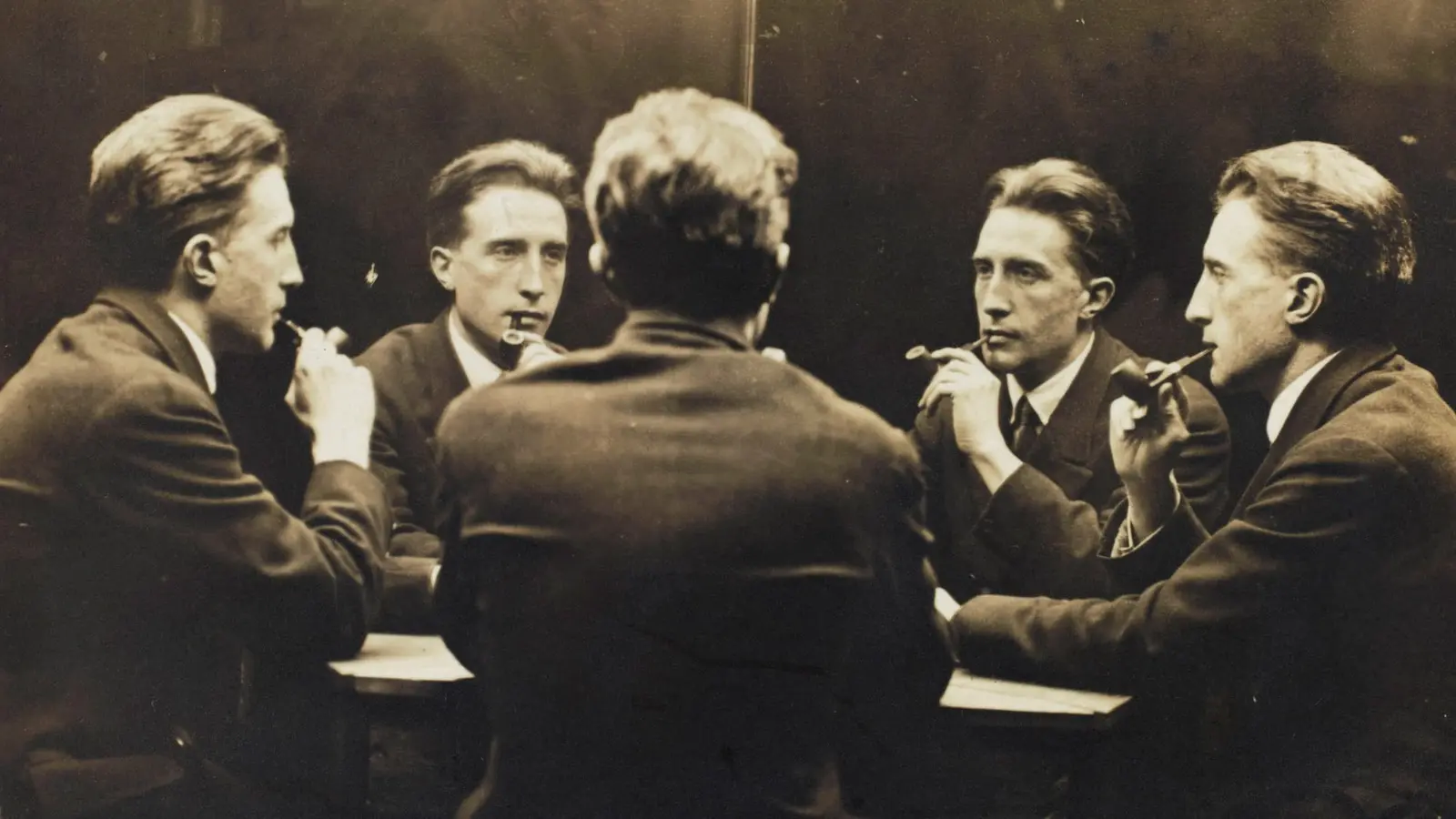
A Radical Departure from Tradition
The Philadelphia Museum of Art has unveiled a major retrospective dedicated to Marcel Duchamp. This landmark display features over three hundred unique works from the artist’s extensive career. The exhibition highlights his pivotal role in reshaping modern art history. Visitors can now explore his most significant pieces in one location. The show includes his permanent installation, Étant donné.
Culture picks
 UK Talent Agency Signs Turkish Actor Serhat Metin to Exclusive Deal
 Four Star Trek Veterans Reunite for Sci-Fi Feature Life 2.0
 Scary Movie Gets 4K Ultra HD Steelbook Release
 New Netflix Spy Thriller Set to Air Fresh Episodes in One Week
Duchamp, who lived from 1887 to 1968, fundamentally challenged traditional artistic norms. He rejected the conventional craft of oil painting in 1912. At just twenty-five years old, he decided to abandon established techniques. He sought to distance himself from the rigid structures of the art world. This move allowed him to work with complete creative freedom. His practice involved continuous self-reinvention, making him impossible to categorize under any single label.
Duchamp’s decision to leave painting marked a turning point in his life. He viewed the act of painting as a form of manual labor. He wanted to prioritize intellectual inquiry over technical skill. This shift defined his subsequent output and legacy. He introduced concepts that blurred the line between art and life. His work often questioned the very definition of an artwork. By rejecting traditional media, he opened new avenues for artistic expression.
Why Did Duchamp Abandon Painting?
The exhibition at the Philadelphia Museum of Art showcases this evolution. It presents a comprehensive overview of his diverse body of work. Curators have arranged the pieces to highlight his thematic connections. The display includes sculptures, drawings, and mixed-media installations. Each piece reflects his ongoing experimentation with form and meaning. The museum provides context for each major work. This helps viewers understand the significance of his choices.
Duchamp believed that painting had become too commercialized. He felt that the focus on beauty was limiting. He wanted to create art that engaged the mind rather than the eye. This philosophy influenced many later movements in contemporary art. His rejection of oil painting was a statement of independence. He refused to conform to the expectations of critics and collectors. This stance made him a controversial figure in his time.
Frequently Asked Questions
The current exhibition offers a rare opportunity to see his works together. Many of these pieces are rarely displayed outside major collections. The museum has collaborated with institutions worldwide to loan these items. This effort ensures a high standard of presentation. The lighting and spacing are designed to enhance the viewing experience. Visitors can spend hours exploring the nuances of his practice. The exhibition runs for several months, allowing ample time for study.
How many artworks are included in the exhibition? The display features over three hundred unique pieces. This collection spans his entire career. It includes both well-known masterpieces and lesser-known studies.
Is the exhibition suitable for all ages? Yes, the museum welcomes visitors of all ages. Educational materials are available to guide younger visitors. The content focuses on artistic concepts rather than complex theory.