
How Literary Adaptations Drive Streaming Success
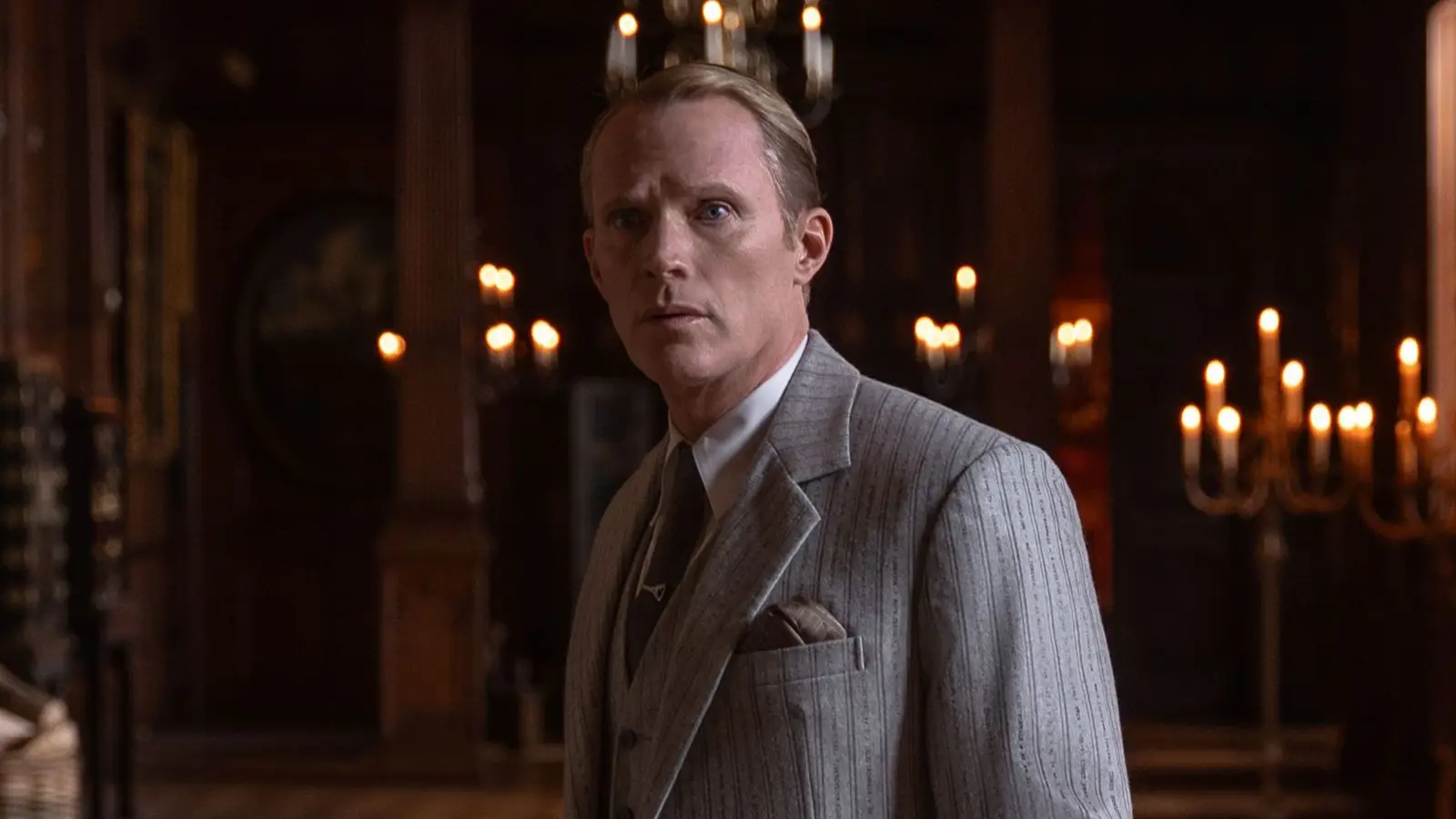
Netflix’s latest nine-part crime thriller, Jo Nesbø's Detective Hole , has rapidly established itself as a modern classic. The series premiered in March 2026 and immediately captured global attention. It is an adaptation of a highly successful best-selling book series. This new release continues a strong trend for crime dramas on major streaming platforms. Viewers are already debating its place in television history.
Culture picks
 Justin Timberlake Has Finally Settled a Long-Standing Music Industry Rumor
 Abbott Elementary Overtakes New Marvel Series on Disney Plus Rankings
 Liam Neeson’s latest action thriller dominates global video charts
 Former physics teacher releases folk album inspired by sonar technology
The show fits into a crowded but thriving genre landscape. Crime thrillers consistently dominate viewing charts across various networks. Recent hits like His & Hers and Scarpetta have set high standards for the category. Detective Hole joins this elite group, proving that well-adapted literary fiction still resonates deeply with audiences. The production team focused on faithful yet cinematic storytelling to bridge the gap between page and screen.
The success of Detective Hole highlights the enduring power of book-to-screen adaptations. Writers who have built loyal fanbases over decades provide a solid foundation for new viewers. The original novels offer complex character studies and intricate plot structures. These elements translate effectively into episodic television formats. Producers leverage the existing cultural footprint of the source material to generate immediate buzz. Marketing campaigns often highlight the author’s reputation to attract curious viewers. This strategy reduces the risk associated with launching a new series. Audiences feel safer investing time in stories they already know and trust. The result is a surge in concurrent viewership numbers during the launch window.
Can One Series Redefine the Entire Genre?
Industry analysts suggest that Detective Hole may be shifting expectations for future crime shows. The series does not just follow trends; it actively redefines them. By blending traditional detective work with modern pacing, it appeals to both old and new fans. Critics note that the show raises the bar for visual storytelling in the genre. Other creators are now expected to match this level of production quality. The competition among streaming services intensifies as each tries to claim the next big hit. Detective Hole serves as a benchmark for what a premium crime drama can achieve. Its performance signals that audiences crave depth alongside fast-paced action sequences.
The implications for the broader industry are significant. Networks will likely invest more heavily in adapting proven literary franchises. Writers may find their works more attractive to studio executives. The genre itself may evolve to incorporate more nuanced character development. Future seasons of similar shows will face heightened scrutiny from informed viewers. If Detective Hole maintains its critical acclaim, it could influence casting and writing choices for years to come. The era of simple procedural crime shows may be giving way to more complex, character-driven narratives.
Frequently Asked Questions
When did Detective Hole premiere on Netflix? The series launched globally in March 2026. It was released as a complete nine-part season. This allowed viewers to binge the entire story at once.
Is the show based on a single book or a series? It is adapted from a multi-book best-selling series. The first season covers the initial arc of the protagonist’s journey. Fans anticipate potential continuation in future installments.
Why is this series considered a modern classic so quickly? Its immediate impact on streaming rankings and critical reception drove this label. The combination of faithful adaptation and high production values earned widespread praise within weeks of release.