How Spock’s Design Almost Changed Star Trek Forever
William Shatner recently shared a surprising behind-the-scenes story from the production of Star Trek: The Original Series during an interview with Paul Wesley for Interview Magazine. The actor, who portrayed Captain James T. Kirk, disclosed that NBC executives initially pushed for significant changes to the character of Spock, played by Leonard Nimoy, fearing the alien appearance might alienate viewers. This revelation came as Shatner reflected on the show’s formative years and the creative decisions that helped define its enduring legacy.
Culture picks
 Rhea Seehorn Gets Emotional at Emmys, Jokes She's on Beta Blockers
 Rhea Seehorn Wins Emmy for Outstanding Lead Actress in a Drama Series for 'Pluribus
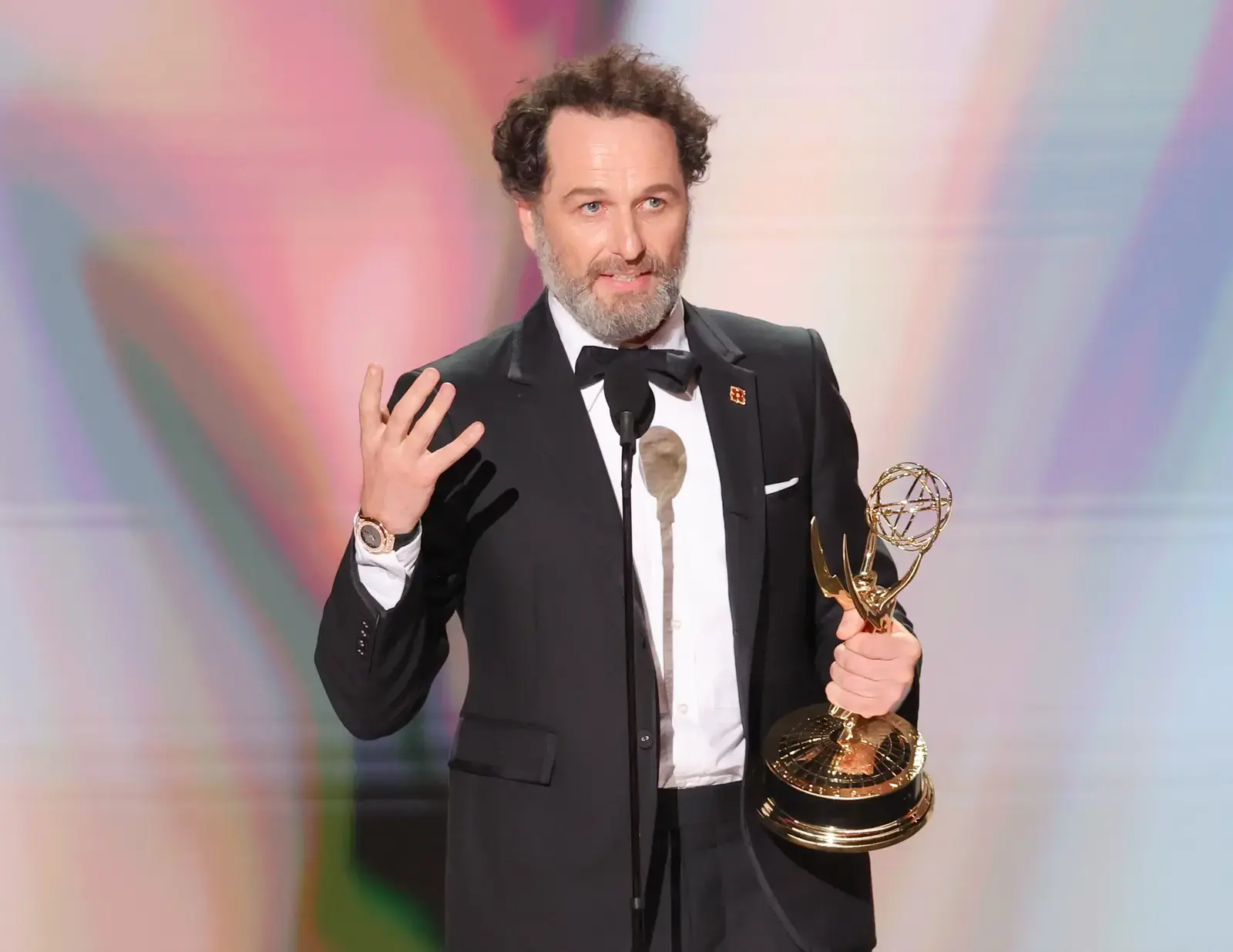 Matthew Rhys Claims Emmy for Best Actor in Limited Series for 'The Beast in Me
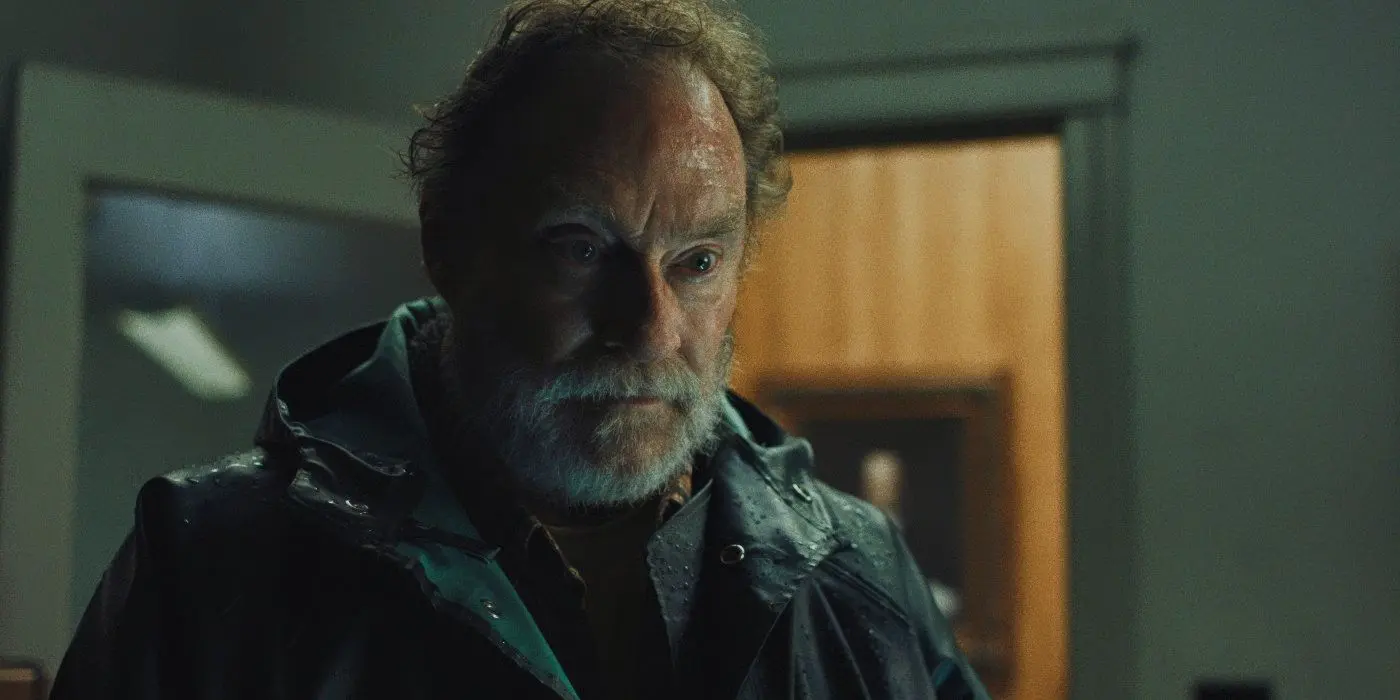 Stephen Root Wins Emmy for Supporting Actor in Comedy Series for 'Widow's Bay
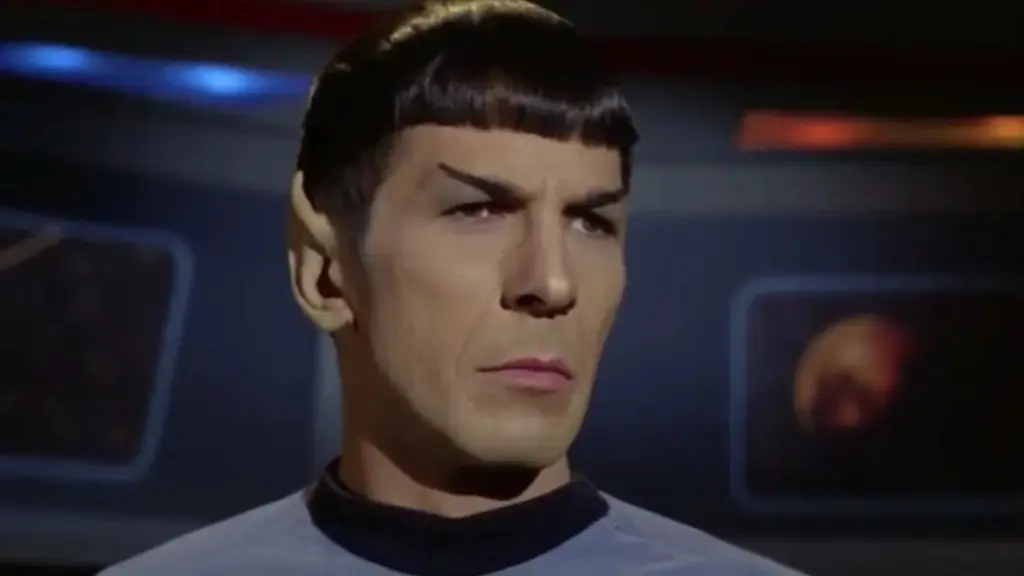
The network’s concerns centered on Spock’s distinctive look, particularly his pointed ears and arched eyebrows, which NBC believed could distract or unsettle audiences unfamiliar with science fiction tropes. Shatner explained that executives suggested softening Spock’s alien features to make him more relatable, even proposing alterations to his makeup and demeanor. However, series creator Gene Roddenberry stood firm, insisting that Spock’s otherworldly nature was essential to the show’s exploration of humanity and logic. Shatner credited Roddenberry’s vision and Nimoy’s performance for ultimately convincing the network to trust the original concept.
Why Did the Network Eventually Accept Spock as Is?
Shatner recalled specific meetings where NBC representatives presented sketches of a revised Spock with rounded ears and less pronounced facial angles, arguing that a more human appearance would increase viewer comfort. He noted that Roddenberry countered by emphasizing Spock’s role as a mirror to human flaws, arguing that the character’s alien perspective was precisely what made the series innovative. Shatner added that Nimoy’s quiet dedication to embodying Spock’s internal struggle between logic and emotion gradually won over skeptics on set and within the network hierarchy. The actor also mentioned that early test screenings eventually showed audiences responding positively to Spock’s authenticity, which helped shift NBC’s stance.
According to Shatner, the turning point came when focus groups began citing Spock as their favorite character, praising his calm demeanor and unique worldview. He said this feedback challenged NBC’s assumption that viewers would reject non-human traits, proving instead that audiences appreciated depth and originality. Shatner highlighted that Roddenberry’s insistence on using science fiction to examine social issues resonated more strongly once Spock remained true to his alien identity. The actor concluded that the network’s initial hesitation ultimately strengthened the show’s resolve to take creative risks, contributing to its lasting cultural impact.
What specific changes did NBC want for Spock’s appearance? NBC executives reportedly wanted Spock to have rounded ears and softened facial features to make him appear more human and less alienating to mainstream audiences.
Frequently Asked Questions
How did Leonard Nimoy influence the network’s decision? Nimoy’s committed portrayal of Spock’s internal conflict between logic and emotion gradually demonstrated the character’s narrative value, helping convince skeptics of his importance to the series.
Did audience feedback play a role in keeping Spock’s original design? Yes, early test screenings and focus groups revealed that viewers responded favorably to Spock’s authenticity, with many citing him as a favorite character, which shifted NBC’s perspective.