The Fracture in Audience Perception
The release of a new interview featuring the cast of Vampire Lestat has ignited a polarized debate. Critics and general audiences are reacting in sharply opposite ways to the content. This split highlights a growing trend in modern media consumption. The show, which stars Sam Reid and Jacob Anderson, remains a cultural flashpoint. Viewers are divided on the direction of the narrative. The interview serves as the catalyst for this renewed controversy. It forces a reevaluation of the series' artistic merit versus its popularity.
Culture picks
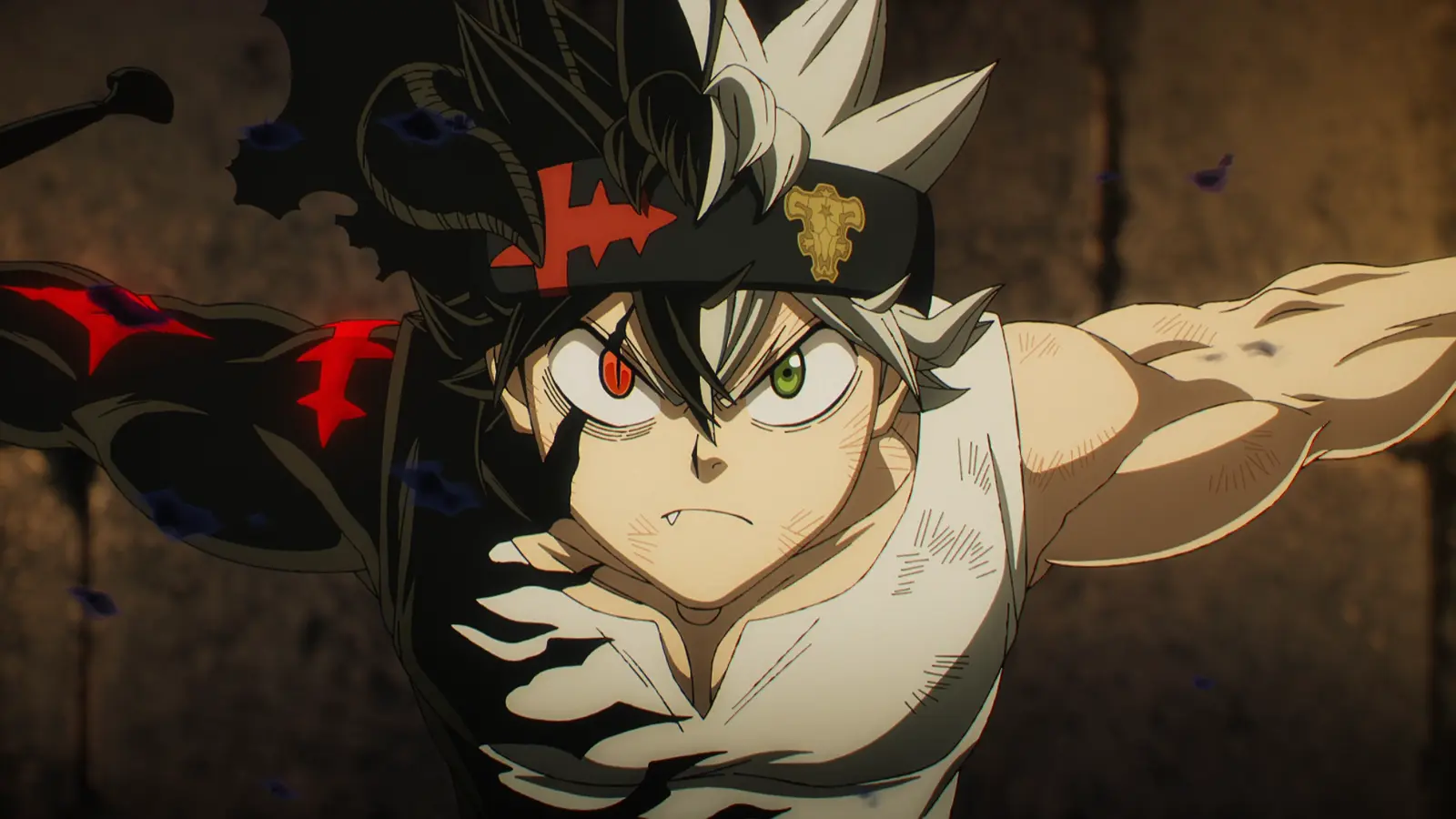 Black Clover Returns With Strong Start to Season 2
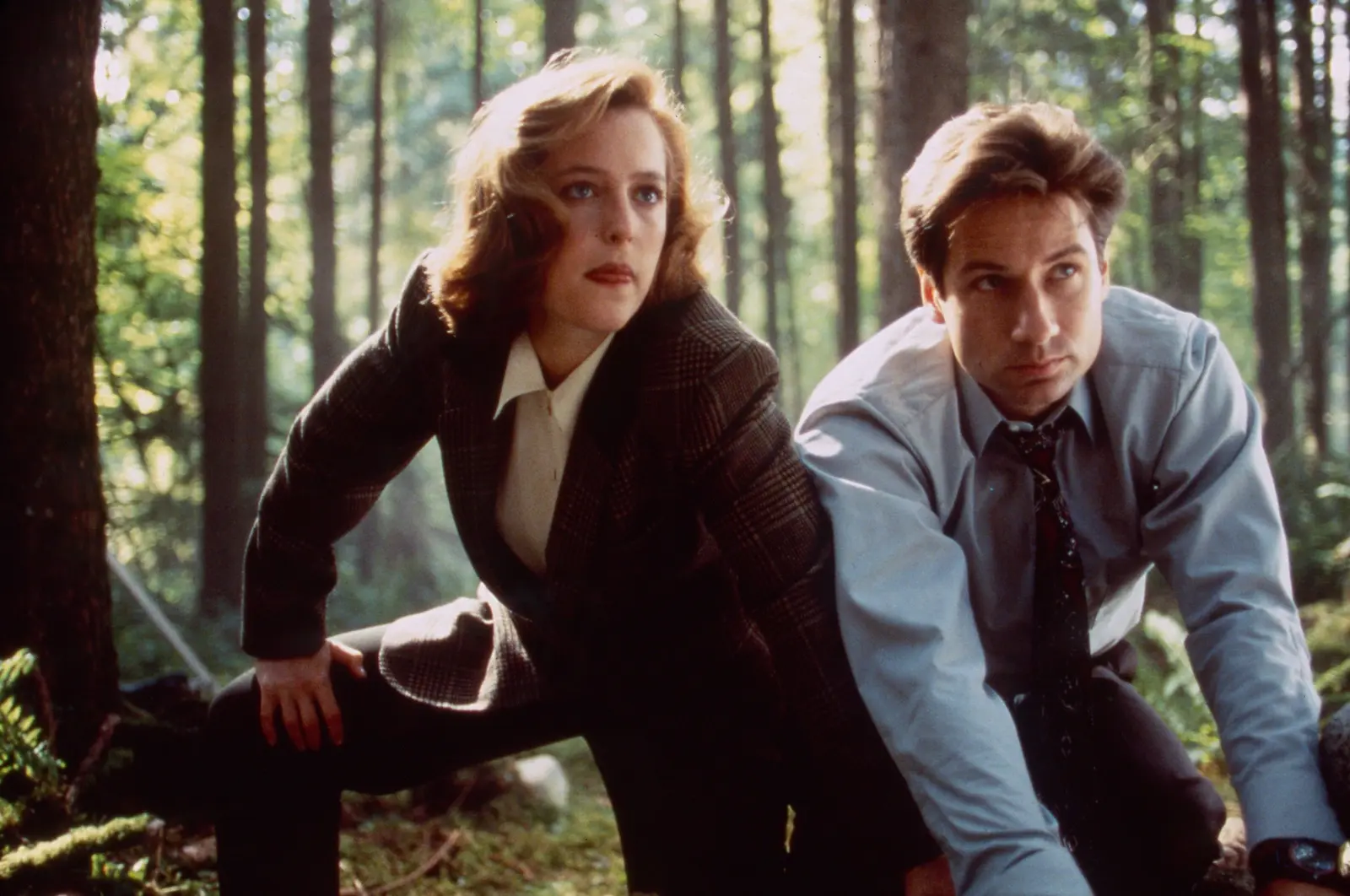 X‑Files Reaches Peak With Near‑Perfect Three‑Part Thriller
 Dakota Johnson and Turnstile to Appear on Saturday Night Live This Weekend
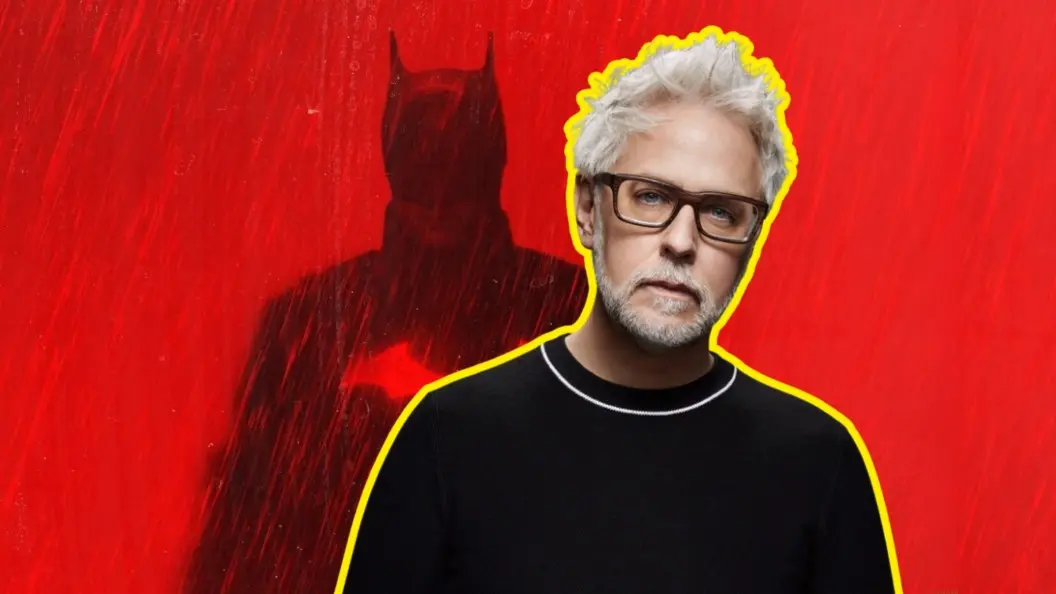 DC Batman Sequel Faces Further Delays Amid Franchise Expansion
The core of the disagreement centers on the portrayal of the characters. Sam Reid plays Lestat, while Jacob Anderson takes on the role of Louis. Their dynamic is central to the story's appeal. Critics argue that the interview reveals a lack of depth in the writing. They suggest the production prioritizes spectacle over substance. In contrast, the general public defends the show's entertainment value. Fans point to the strong chemistry between the lead actors. They believe the emotional core of the story resonates with a broad audience. This disconnect is not unique to this specific title. However, the intensity of the reaction here is notable.
The divergence is stark when comparing professional reviews with social media sentiment. Critics focus on pacing issues and character development gaps. They cite specific scenes where dialogue feels forced or unnatural. The interview provides context for these choices, but it fails to appease detractors. Instead, it validates their concerns about the show's structural weaknesses. On the other hand, fan communities are rallying behind the cast. They share clips from the interview that highlight the actors' dedication. These moments are framed as evidence of a passionate production. The public views the show as a guilty pleasure that delivers on its promises. This creates a feedback loop where positive fan engagement drives viewership numbers.
Does Critical Consensus Matter in the Streaming Era?
Critics often dismiss fan enthusiasm as a lack of critical thinking. They maintain that high ratings do not equate to high quality. The interview makes this tension explicit by addressing some of these criticisms directly. The cast members discuss their creative process and challenges. They explain why certain decisions were made during filming. While these explanations offer insight, they do not change the critical consensus. The professional press remains largely negative in its assessment. Meanwhile, the audience continues to stream the episodes in record numbers. This data suggests that traditional critical metrics may no longer predict commercial success.
The situation raises broader questions about media criticism. If the audience loves a show, does critical disapproval matter? The Vampire Lestat case suggests that it still does, at least for a segment of the market. Studios and networks rely on critical acclaim to justify long-term investments. However, they also rely on audience retention to secure immediate returns. The interview highlights this dual-pressure environment. Creators must satisfy both groups to ensure longevity. The current divide indicates that this balance is difficult to achieve. The show may continue to find its niche despite the negative press.
Looking ahead, the series will likely face similar scrutiny with future seasons. The interview has set a precedent for how the cast engages with the public. It has also defined the terms of the debate. Future episodes will be judged against these established expectations. The gap between critic and fan opinion may widen if the show does not adjust its approach. Alternatively, it may narrow if the narrative improves. The outcome will depend on the writing team's ability to address valid criticisms. For now, the split remains a defining feature of the show's cultural footprint.
Frequently Asked Questions
Who stars in the new Vampire Lestat interview? Sam Reid and Jacob Anderson are the primary subjects of the interview. They discuss their roles as Lestat and Louis, respectively. Their insights provide context for the show's current reception.
Why are critics and fans divided on the show? Critics cite issues with pacing and character depth as major flaws. Fans, however, value the entertainment value and actor chemistry. This difference in priorities drives the polarized reaction.
Does the interview change the critical consensus? No, the interview has not shifted the professional critical consensus. It has, however, intensified the debate between professional reviewers and the general public. The opposing views remain firmly entrenched.