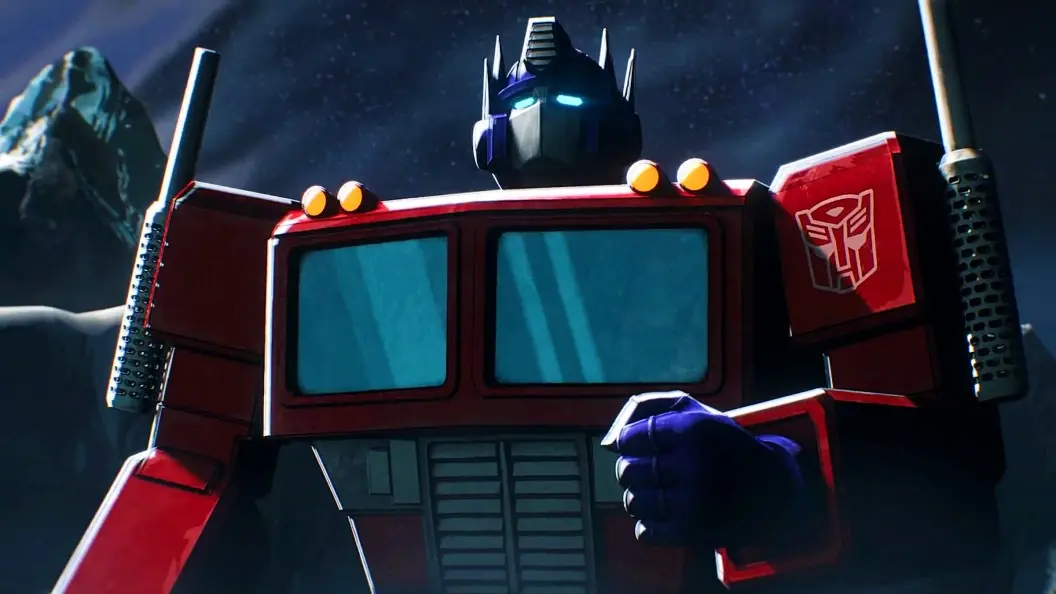
From Toy Line to Cultural Icon
The original Transformers cartoon premiered on September 17, 1984. It was a three‑part miniseries that aired in syndication across the United States. The series was designed to promote a line of action figures from Hasbro and Takara. It launched a new era of toy‑based animation that blended action, humor, and science‑fiction.
Culture picks
 Johnny Depp's Band Hollywood Vampires Cleared in Concert Cancellation Lawsuit
 Star-Studded Cast Joins Upcoming Far Cry Television Adaptation
 Millie Bobby Brown and Jake Bongiovi Welcome Second Child
 Meg Ryan Joins Tribeca Film Program as Mentor
The show was a deliberate marketing tool. Creators, producers, and toy manufacturers worked together to create a narrative that would sell plastic robots. The franchise was built on the idea that kids would watch, love the characters, and then buy the toys. The partnership between television and merchandising was unprecedented in its scale. The success of the miniseries allowed the franchise to expand into comics, movies, and a vast array of licensed products.
The Transformers franchise grew beyond its original purpose. The characters became household names, appearing in comic books, video games, and feature films. The iconic tagline „Autobots, roll out!” entered popular vernacular. The series’ influence can be seen in later animated shows that blend storytelling with product placement. Even after the original toy line faded, the brand remained relevant. New generations discovered the franchise through re‑releases, streaming, and modern adaptations. The legacy of the 1984 launch continues to shape how media and merchandise interact today.
Why Does the Franchise Endure?
The enduring appeal lies in its simple premise. Robots that transform into vehicles capture imagination. The conflict between Autobots and Decepticons offers clear moral lessons. Fans appreciate the nostalgia of the original voice cast and animation style. Modern adaptations keep the core concepts intact while updating the visual design. The franchise also benefits from strategic licensing deals. Partnerships with major studios and toy manufacturers keep the brand in circulation. The result is a multibillion‑dollar empire that spans decades.
The Transformers brand has also benefited from a strong fan community. Online forums, fan art, and cosplay keep the series alive. Official events, such as comic conventions, provide platforms for new releases. The franchise’s adaptability ensures it remains relevant. Whether through a 2015 blockbuster or a new animated series, Transformers continues to attract new audiences while satisfying long‑time fans.
The future looks bright. The franchise is poised to launch additional feature films and television series. New toy lines and digital products are in development. The brand’s ability to evolve while staying true to its roots is a key factor in its longevity. As long as the core story of good versus evil continues, Transformers will likely remain a staple of popular culture.
Frequently Asked Questions
When did Transformers first air? Transformers debuted on September 17, 1984, as a three‑part miniseries in U. S. syndication.
What was the original format of the series? The original format was a single‑season, 13‑episode animated series that served as a marketing vehicle for action figures.
Who created the Transformers franchise? The franchise was created by Hasbro and Takara, with the animated series produced by Rankin/Bass and later by other studios.