How Perseverance Shaped a Puppet Legacy
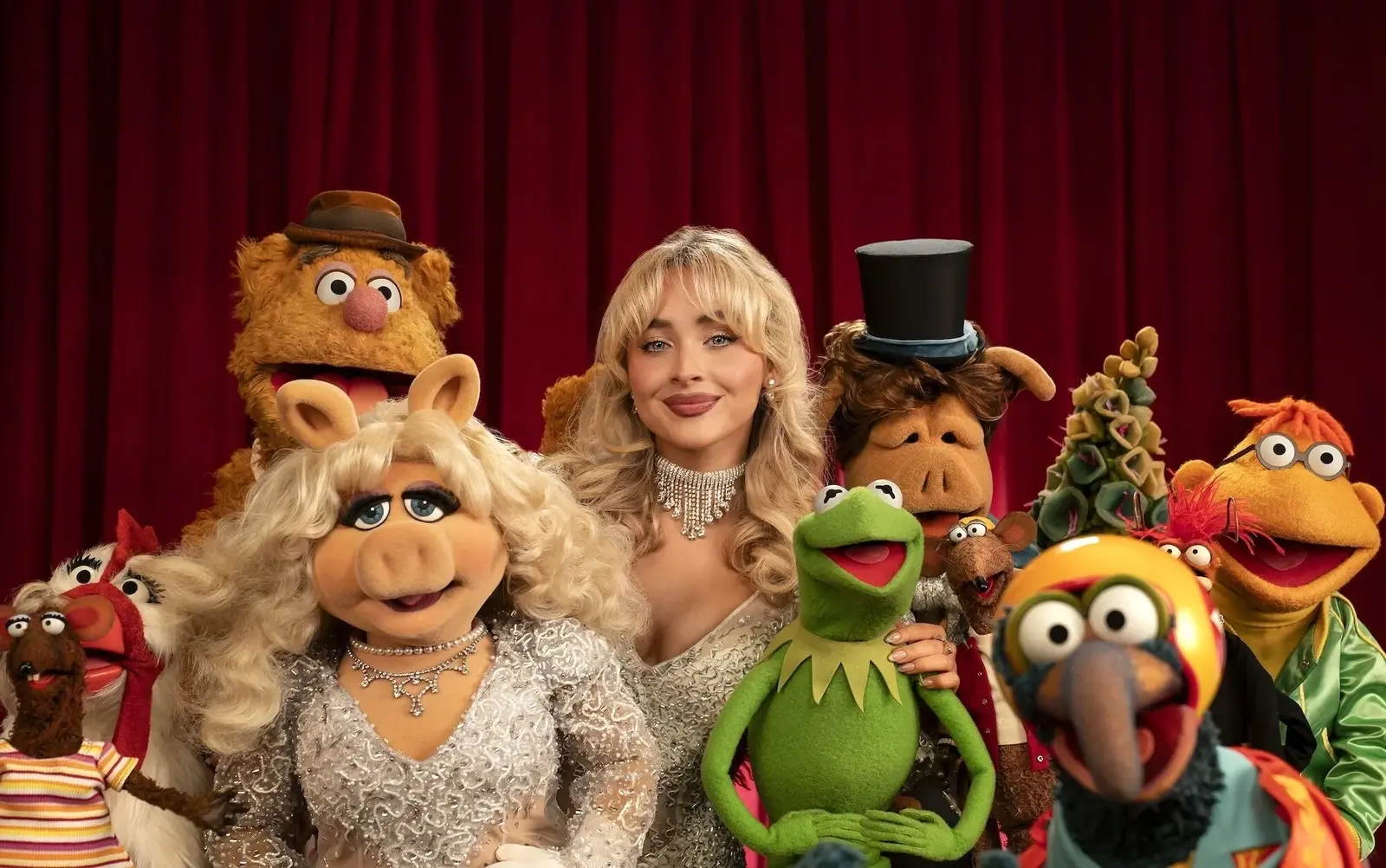
Fifty years after their television debut in 1976, the Muppets are marking a major milestone, though their journey to fame was almost derailed before it began. Kermit the Frog, Miss Piggy, and the rest of the beloved puppet ensemble have become cultural icons, but their survival was far from guaranteed in the early days of production.
Culture picks
 Avatar: Seven Havens Launches on Paramount+—What It Means for Viewers
 Warner Music Sues EssilorLuxottica Over Unlicensed Music Use in Ray‑Ban Ad Campaign
 GENER8ION and Yung Lean’s „Storm II” Breaks Into Billboard Hot 100
 Kacey Musgraves Responds to Political Commentary at Country Music Awards
The original pitch for what would become The Muppet Showfaced repeated rejection from networks skeptical of puppets carrying a prime-time variety series. Creator Jim Henson persisted through years of pitching and pilot rejections, refining the characters and format until British broadcaster Lew Grade finally took a chance. The show’s eventual success hinged on blending sharp humor with heartfelt characters, a balance that proved difficult to achieve but ultimately defined the franchise.
What Almost Killed the Muppets Before They Aired?
Henson described the development process as a real study in perseverance,noting that early test audiences were confused by the show’s tone, which mixed adult satire with child-friendly appeal. Writers and puppeteers worked tirelessly to give each character distinct personalities, with Miss Piggy’s diva persona and Fozzie Bear’s relentless optimism emerging through improvisation. The show’s sketches often parodied contemporary TV tropes, allowing it to resonate across generations while maintaining a sense of playful irreverence.
Despite eventual success, the Muppets nearly vanished after the first season due to budget disputes and creative differences with sponsors. Henson personally funded reshoots and fought to retain creative control, even mortgaging his home to keep production afloat. These struggles forged a resilient team ethos that carried the franchise through decades of television specials, films, and reboots, proving that the characters’ endurance mirrored their creator’s determination.
Why did networks initially reject the Muppet Show? Network executives doubted puppets could sustain a sophisticated variety format, fearing the concept was too juvenile for adult audiences and too unconventional for children’s programming.
Frequently Asked Questions
How did Jim Henson keep the project alive during early setbacks? Henson used personal funds, revised pilots based on feedback, and pursued international partnerships after U. S. rejections, ultimately securing a deal with British broadcaster Lew Grade.
What made the Muppets’ humor unique compared to other shows of the era? The Muppets combined sharp adult wit with accessible physical comedy, using puppetry to deliver satire that felt fresh and subversive without relying on offensive stereotypes.