The Anatomy of a Global Forgery Ring
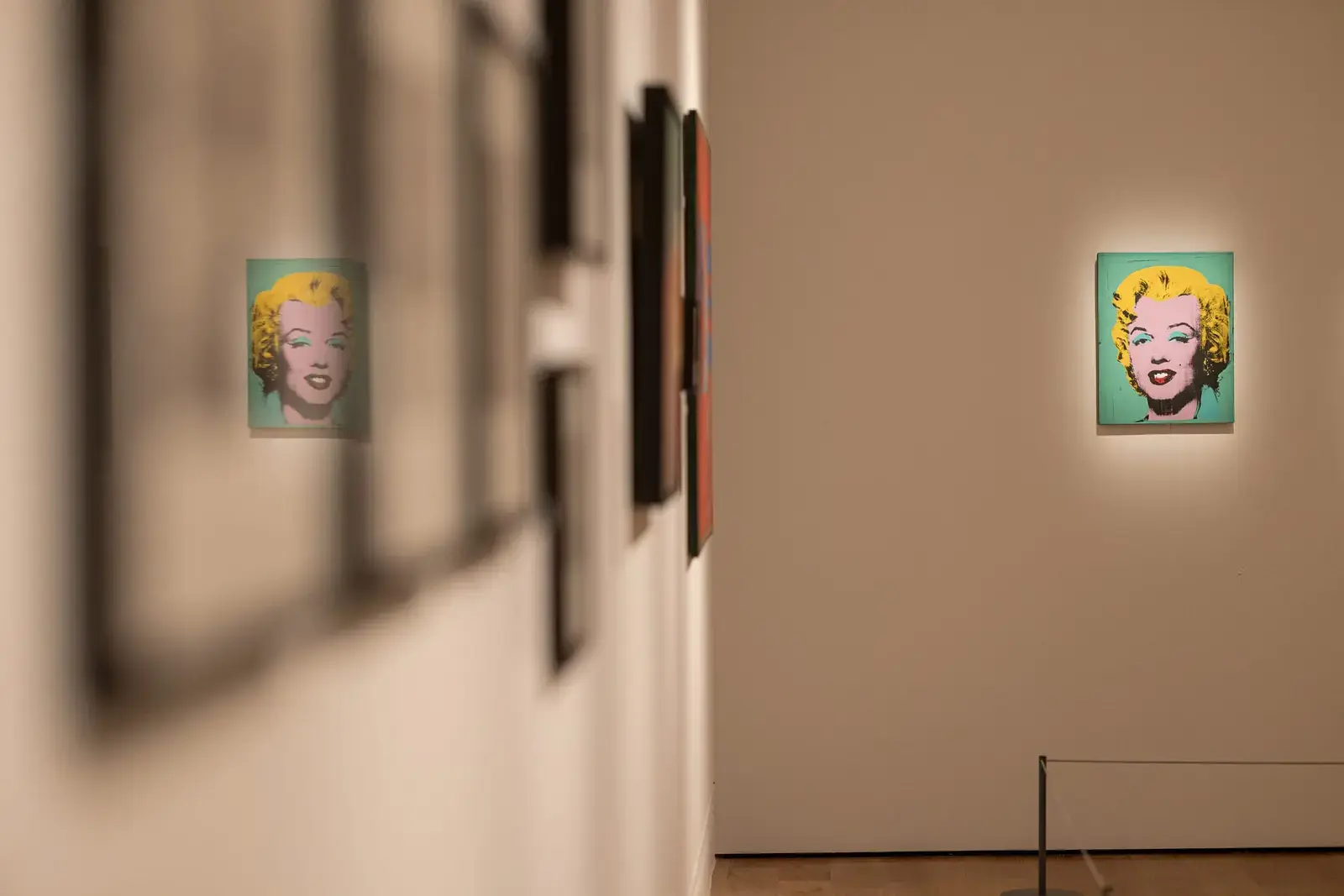
A Florida family claims they were duped into buying more than 200 forged Andy Warhol pieces, spending over $6.7 million through a global network of suppliers, authenticators, dealers and distributors. The alleged scheme, uncovered by a civil racketeering investigation, highlights how sophisticated art fraud can target even seasoned collectors.
Culture picks
 Zack Snyder Still Eyes Rick and Morty Cinematic Adaptation
 Helluva Boss Season 3 Release Date and Trailer Officially Revealed
 Lanterns’ Latest Episode Shatters Long‑Held Fan Theory About „Blackest Night”
 Portal Film Could Finally Launch With 2026 Breakout Director
The family, based in Orlando, began purchasing Warhol reproductions in 2021, believing they were acquiring genuine works. They paid a total of $6,700,000 for 215 pieces, including prints and canvases that were later proven to be counterfeit. The fraud ring operated through a web of international contacts, using forged certificates of authenticity and forged signatures to convince buyers of the pieces’ legitimacy.
How the Fraud Was Discovered
Investigators traced the counterfeit operation to a network that spanned three continents. Suppliers in Eastern Europe supplied the base materials, while authenticators in the United States and Europe forged documentation. Dealers in major art markets then sold the pieces to unsuspecting collectors. The ring’s sophistication allowed it to bypass standard verification processes, making it difficult for buyers to detect the fraud until after the sale.
The family’s attorney, who declined to name the firm, said the victims had no reason to suspect the works were fake. „They were presented with what appeared to be legitimate provenance,” he explained. „The documentation looked convincing, and the prices matched market expectations for Warhol reproductions.” The investigation revealed that the counterfeit pieces were produced in high volumes, with each batch stamped with a unique serial number to mimic authentic Warhol prints.
What Happens Next for the Victims?
The fraud came to light when a third‑party art consultant, hired by a different collector, noticed inconsistencies in the provenance documents. The consultant alerted authorities, prompting a forensic analysis of the pigments and canvas fibers. The lab results confirmed that the materials were not consistent with those used by Warhol’s studio in the 1960s. Additionally, the serial numbers on the certificates did not match any known Warhol catalogues.
The civil racketeering case, filed in federal court, alleges that the defendants used a „complex scheme” to defraud multiple buyers. The court documents list more than 30 individuals and companies involved, including a „forged authentication firm” that operated under a false name. The lawsuit seeks restitution for the family and aims to shut down the broader network.
Frequently Asked Questions
The family is currently pursuing a civil judgment to recover the $6.7 million spent on the fakes. They also plan to auction the counterfeit pieces, hoping to recoup some of their losses. The court has ordered the defendants to return all forged certificates and to cease all sales of counterfeit Warhol works. Art experts warn that the case could prompt stricter regulations on art authentication and tighter scrutiny of provenance documentation.
The broader art market may feel the ripple effects of this scandal. Galleries and auction houses are likely to implement more rigorous verification protocols, and collectors may become more cautious when purchasing high‑value works from unfamiliar dealers. The case underscores the importance of independent authentication and the risks inherent in the global art trade.