A Shift in Character Arcs
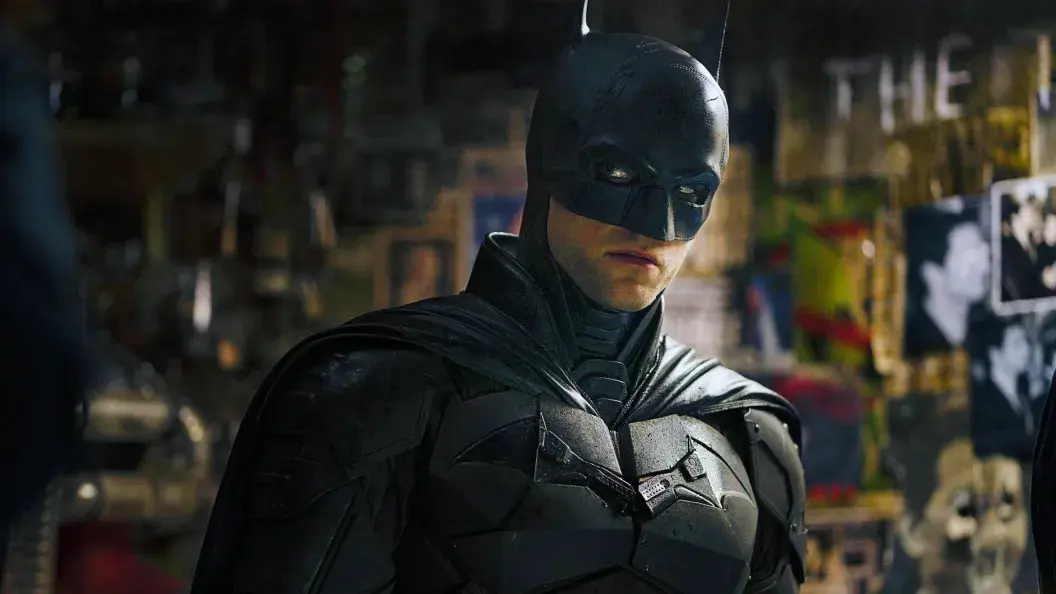
In the series finale of The Boys, showrunner Eric Kripke made significant changes to the fates of characters Butcher and Homelander. This pivotal episode aired on May 20, 2026, and diverged from the original comic series, marking a notable departure in storytelling.
Culture picks
 New Shonen Jump Manga Fixes Long‑Standing Genre Flaw
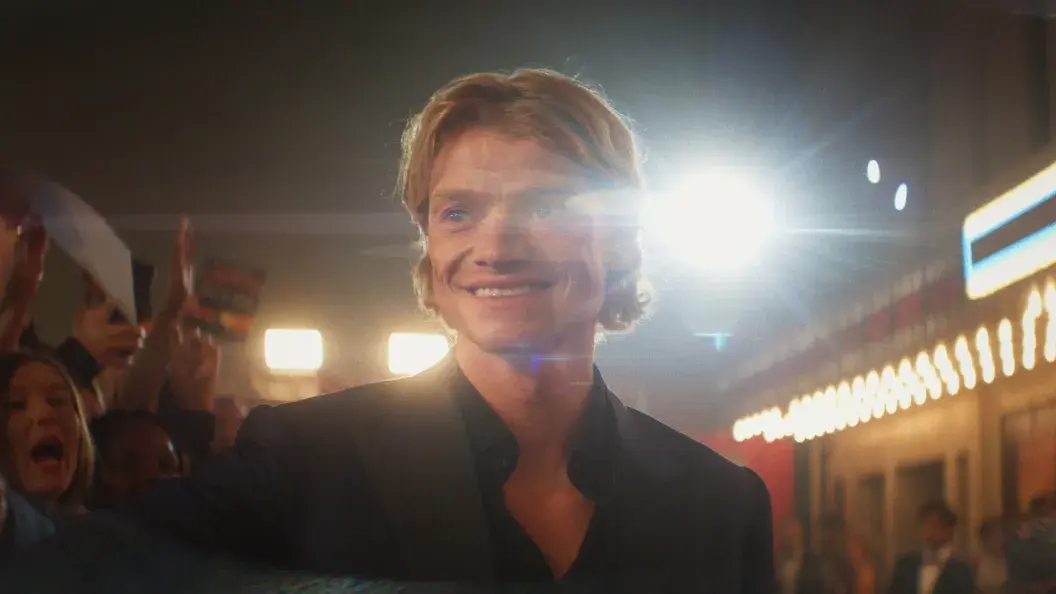 Clayface: DCU’s First R‑Rated Horror Film Set to Shock Gotham
 Prime Video Casts Rising Stars Esther McGregor and Emilio Sakraya as Violet and Xaden in New Romantasy Series
 MAMA Awards 2026 Set to Spotlight K‑Pop Powerhouses in Osaka
Kripke explained that the decision to alter the characters' destinies stemmed from a desire to create a more impactful conclusion for the show's narrative. He believed that the comic's ending did not resonate as strongly with the themes explored throughout the series. By reimagining these outcomes, the show aimed to provide a more satisfying and emotionally charged finale for viewers.
In the comics, Butcher and Homelander's paths are starkly different, leading to a darker resolution. However, Kripke felt that the television adaptation required a new direction. He wanted to emphasize the complexity of their relationship, showcasing moments of vulnerability and conflict that were less pronounced in the graphic novels. This approach allowed for a richer exploration of their characters, ultimately enhancing the audience's connection to them.
What Inspired the Changes?
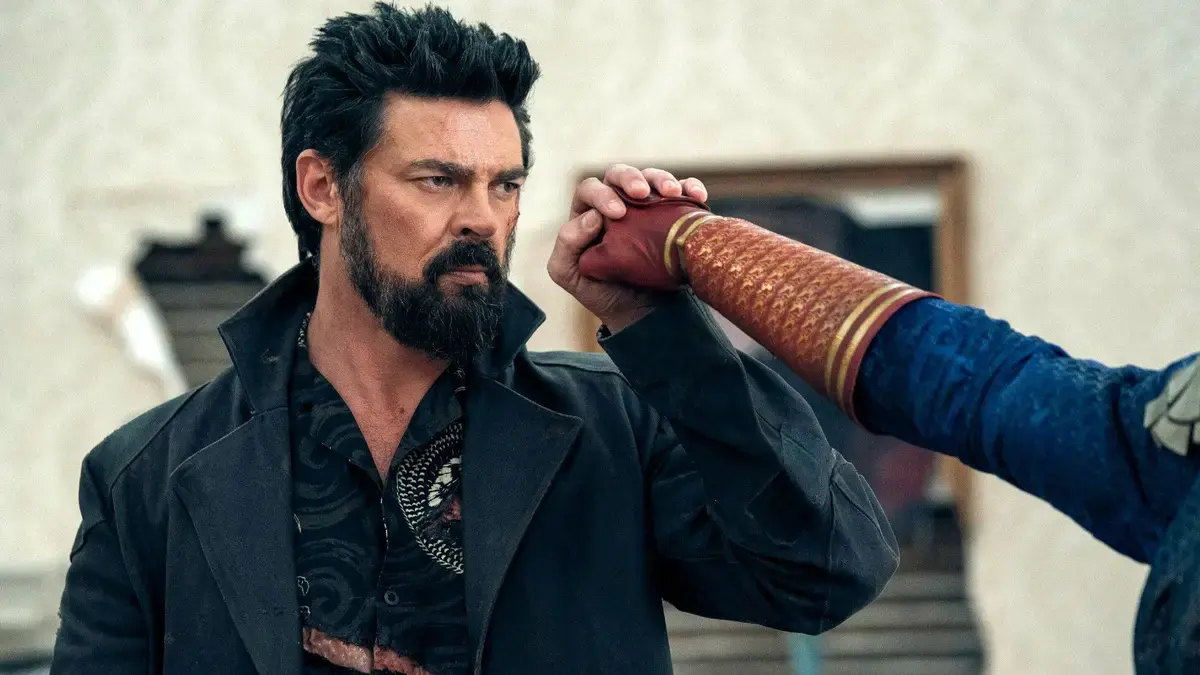
The finale featured a climactic scene where Butcher confronts Homelander, stopping a potentially devastating punch. This moment encapsulated the ongoing struggle between the two characters, highlighting their intertwined fates. Kripke's vision for this scene was to illustrate that, despite their differences, both characters are shaped by their circumstances and choices.
Kripke drew inspiration from the evolving dynamics of the show's characters, as well as the changing landscape of superhero narratives. He noted that audiences today expect more nuanced storytelling, where heroes and villains are not easily defined. By altering Butcher and Homelander's fates, the series aimed to reflect these contemporary themes and engage viewers on a deeper level.
The decision to diverge from the comics was not taken lightly. Kripke and his team carefully considered how these changes would affect the overall narrative. They wanted to ensure that the finale remained true to the essence of The Boys while also providing a fresh perspective on familiar characters.
What Does This Mean for Future Adaptations?
The finale's outcome has sparked discussions among fans, with many expressing appreciation for the bold choices made by the creators. It has opened up possibilities for future storytelling, allowing for new character developments and plotlines that were not present in the original comics.
The alterations in character fates signal a broader trend in adaptations of comic book material. As the landscape of television and film continues to evolve, creators are increasingly willing to take risks and explore new narratives. This shift may lead to more innovative storytelling in future superhero adaptations, as audiences seek fresh perspectives on beloved characters.
Frequently Asked Questions
The impact of these changes will likely resonate beyond The Boys, influencing how other adaptations approach their source material. Fans can expect to see more complex character arcs and unexpected plot developments as the genre continues to grow and adapt.
Why did the showrunners choose to change the ending from the comics? The changes were made to create a more emotionally impactful finale that resonated with the series' themes and character development.
How did the finale differ from the comic book ending? In the comics, Butcher and Homelander's fates are darker and more definitive, while the series finale provides a more nuanced and complex resolution to their relationship.