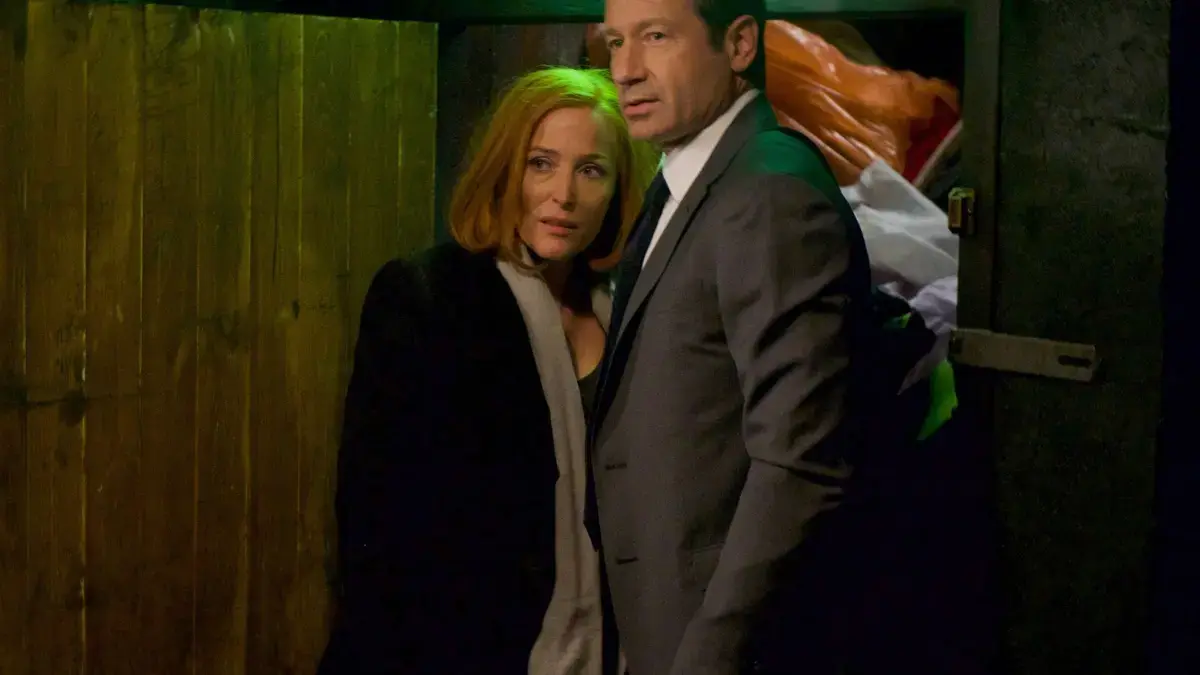
The Mechanics of Pre‑Premiere Fame
The phenomenon of a TV series embedding itself in popular culture before its first episode is rare but real. In August 2026, journalist Leandro Beroldo observed that while many shows are remembered for plotlines or characters, a handful achieve iconic status even before the opening credits roll. These programs capture public imagination early, shaping expectations and conversations across media platforms.
Culture picks
 The X-Files Returns to Pop Culture Spotlight with New Reboot and Director's Cut Release
 Star Trek Kelvin Timeline Returns for New Era
 Indie Developer Accuses Rival of Using AI to Clone Viral Potato Peeling Game
 Game of Thrones Star Reveals Hope for New Spinoff Series
Beroldo’s commentary highlights how certain series generate buzz that transcends typical promotional cycles. The anticipation often stems from strong branding, star‑power, or a compelling premise that resonates with current societal trends. Networks invest heavily in teasers, social media campaigns, and strategic leaks, turning a forthcoming title into a cultural shorthand. When audiences begin quoting lines that have never been spoken on screen, the show has already entered the collective lexicon.
The rise of pre‑premiere fame relies on a blend of marketing savvy and cultural timing. A series that taps into a prevailing narrative—be it political upheaval, technological anxiety, or nostalgic revival—can spark widespread discussion. Early fan theories, meme creation, and speculative articles amplify interest, creating a feedback loop that sustains momentum. Beroldo notes that „a select few earned a permanent place in pop culture before the first scene,” underscoring the power of anticipation itself.
Can a Series Become a Cultural Phenomenon Before Its Premiere?
Data from recent viewership studies show that shows with high pre‑launch social media engagement often debut with record‑breaking ratings. This correlation suggests that audience readiness, built through curated hype, translates into immediate viewership spikes. Moreover, advertisers align their campaigns with these cultural moments, further cementing the series’ presence in daily discourse.
The question of whether a television series can achieve iconic status before airing hinges on the interplay between narrative promise and audience perception. When a show’s premise aligns with collective concerns or desires, it can become a reference point even without visual confirmation. Critics argue that this pre‑emptive idolization may set unrealistic expectations, risking disappointment if the final product falls short. However, supporters contend that such early cultural integration fosters a community of engaged viewers ready to champion the series from day one.
Beroldo’s analysis implies that the pre‑premiere phenomenon is not merely a marketing artifact but a reflection of how media consumption patterns have evolved. Audiences now participate in the storytelling process before the narrative officially begins, co‑creating meaning through speculation and shared excitement.
The lasting impact of this trend reshapes how networks plan launches and how creators approach storytelling. As the line blurs between promotion and content, the industry may see more projects designed to spark immediate cultural relevance, potentially redefining success metrics beyond traditional ratings.
Frequently Asked Questions
What distinguishes a pre‑premiere cultural icon from a regular hit series? A pre‑premiere icon generates widespread recognition and discussion before any episode airs, often through viral marketing and resonant themes, whereas a regular hit gains fame primarily after broadcasting.
Do early expectations affect a show's critical reception? Yes, heightened anticipation can amplify both praise and criticism; if the series meets or exceeds hype, it enjoys amplified acclaim, but falling short can lead to sharper negative reviews.
Will this trend continue as social media evolves? Experts believe it will intensify, as platforms enable faster dissemination of teasers and fan theories, making it easier for shows to embed themselves in cultural conversations ahead of their debut.