The appeal of a finished saga
HBO’s award‑winning drama Succession has reclaimed the number‑one position on premium video‑on‑demand (PVOD) rankings, three years after its final episode aired. The surge was recorded in the latest weekly report covering U. S. streaming platforms, where the show outperformed newer releases and held its lead for several consecutive days.
Culture picks
 Katt Williams' Viral Exit and Arena Fills Signal a New Era in Comedy
 Marc Jacobs and Disney Launch Retro Ski-Themed Mickey Mouse Kids Collection
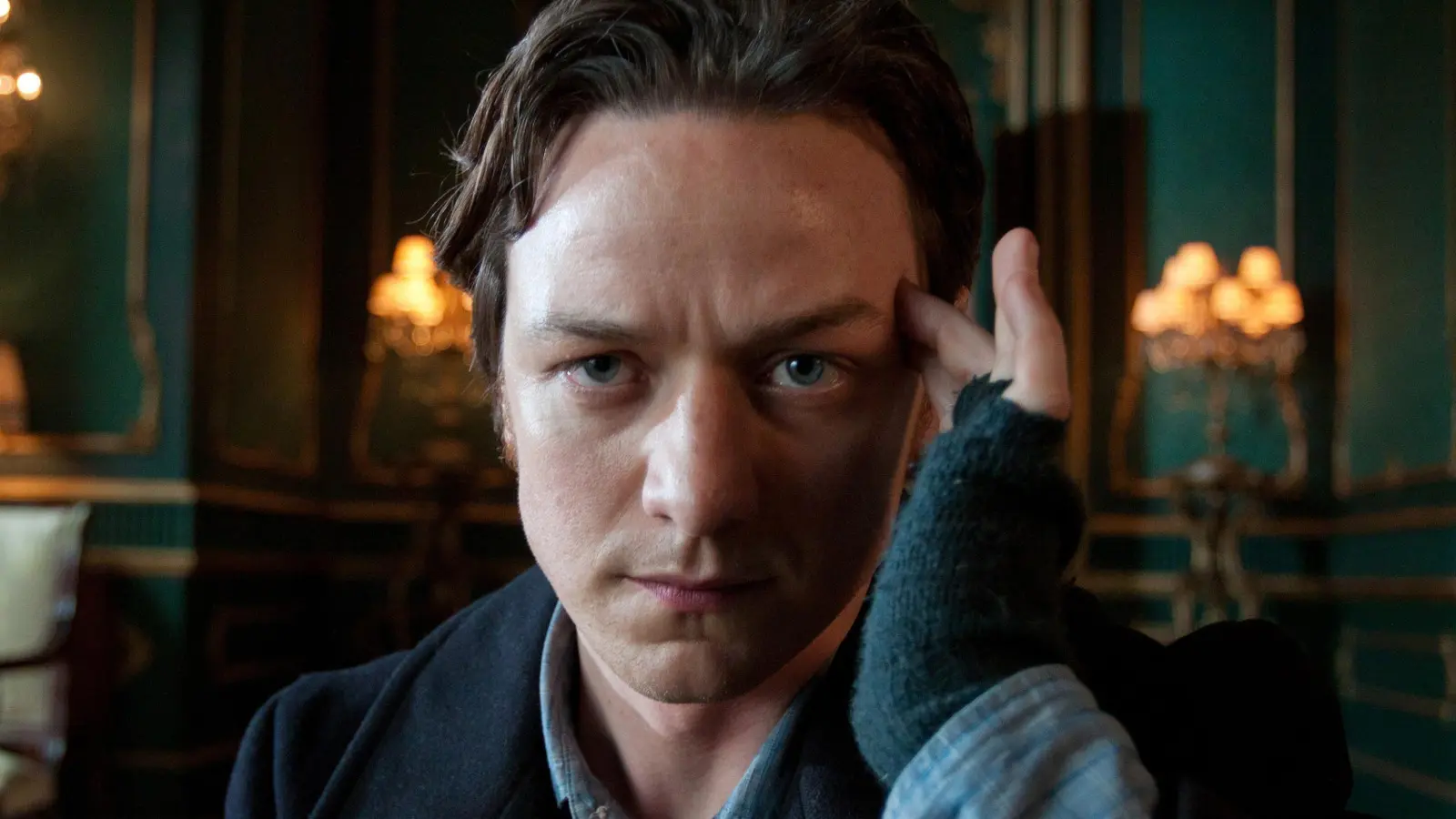 James McAvoy Pitched a Star Trek Prequel to Solve a Picard Mystery
 Secret Cinema Extends London Run For Pirates of the Caribbean
The resurgence reflects a broader pattern of legacy series gaining traction on pay‑per‑view models. Analysts attribute the growth to binge‑watchers discovering the series through word of mouth, and to the show’s continued relevance in discussions about corporate power and family dynamics. HBO’s own marketing push, which highlighted the series’ complete box set and offered limited‑time discounts, also helped drive traffic to the platform.
Even without fresh episodes, Succession offers a self‑contained narrative arc that rewards repeat viewing. Its intricate plotlines, sharp dialogue, and strong ensemble cast create a rewatch value that many newer series lack. Viewers often cite the show’s ability to mirror real‑world business scandals as a reason to return. Moreover, the series’ availability on multiple platforms—streaming services, digital rental stores, and physical media—makes it easy for new audiences to start from the beginning.
Can legacy series dominate PVOD long after they end?
Industry data shows that PVOD titles with strong critical acclaim tend to sustain longer revenue streams than blockbuster films that rely on opening‑week hype. Succession’s consistent placement in „best‑of‑the‑decade” lists reinforces its status as a cultural touchstone, encouraging both fans and curious newcomers to purchase or rent episodes long after the story concluded.
The answer appears to be yes, at least for shows with a built‑in fan base and high production values. Succession’s performance suggests that a well‑crafted series can become a perpetual asset for studios, generating income well beyond its broadcast window. This trend may influence how networks schedule final seasons, potentially opting for shorter, high‑impact runs that leave a lasting imprint. As more studios explore direct‑to‑consumer pricing models, we could see a rise in similar „evergreen” titles that dominate PVOD charts for years.
Frequently Asked Questions
Why is Succession still popular three years after its finale? The series combines compelling characters, timely themes, and a complete story arc, making it attractive for both repeat viewers and newcomers discovering it through recommendations.
What does PVOD mean for the future of TV shows? Premium video‑on‑demand allows audiences to pay for individual episodes or seasons, giving studios a steady revenue stream and encouraging the creation of content that can be monetized long after its original broadcast.
Will other shows follow Succession’s PVOD success? Industry analysts expect that other critically acclaimed series with strong fan bases will aim for similar PVOD strategies, leveraging their lasting appeal to generate ongoing profits.