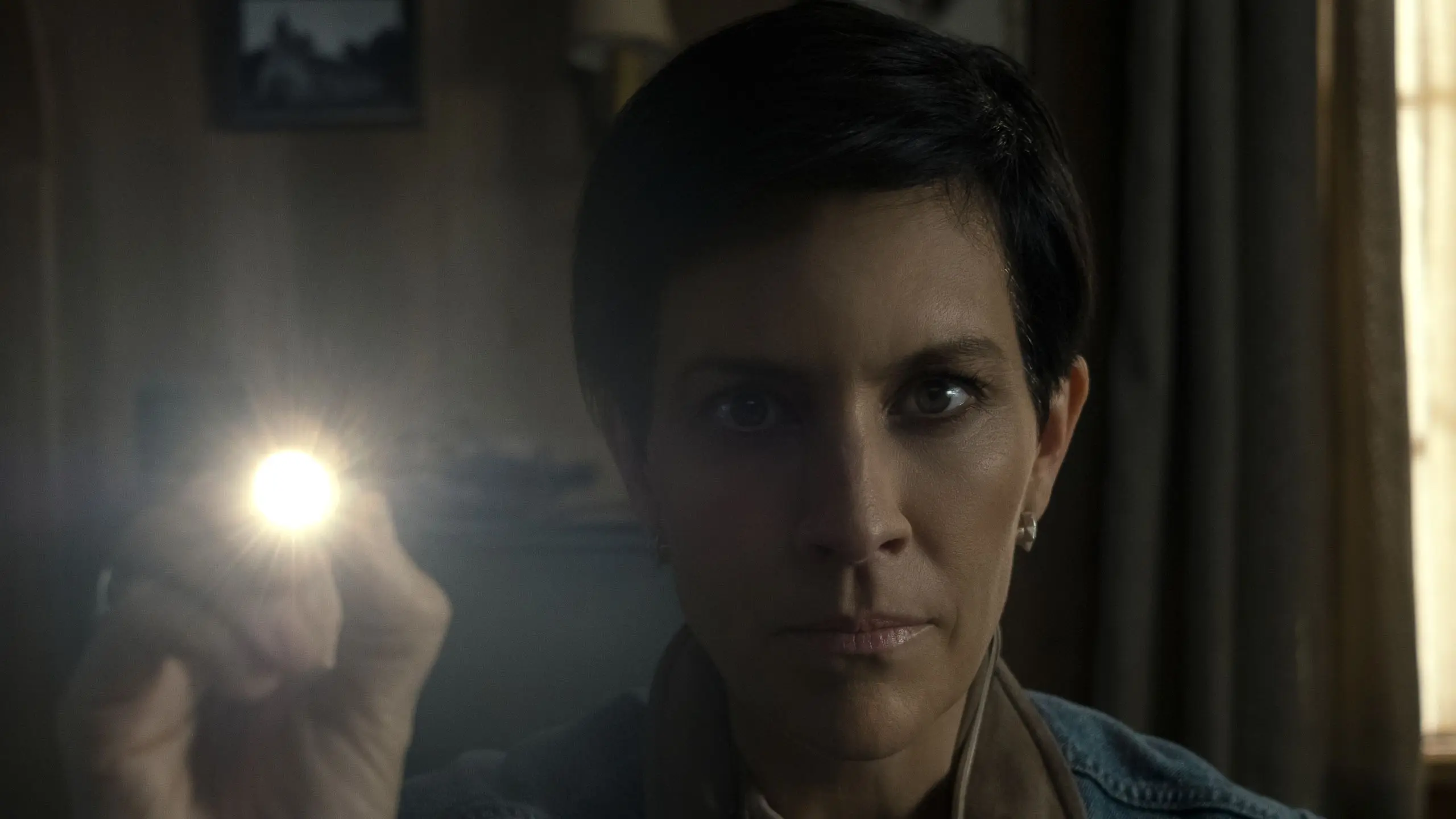
Critics have praised its cinematography and the lead performance
A remote island community becomes the stage for psychological tension as a charismatic preacher arrives, stirring fear and faith in equal measure. Set against a backdrop of isolation and creeping dread, the seven-part series blends supernatural unease with human frailty, drawing clear inspiration from Stephen King’s atmospheric storytelling and the enigmatic tone of Lost. Released in August 2026, the show quickly gained attention for its slow-burn suspense and morally complex characters. The narrative centers on a tight-knit town where secrets fester beneath the surface, and the arrival of the preacher acts as a catalyst for unraveling long-buried tensions. Viewers are drawn into a world where miracles and madness blur, leaving audiences questioning what is divine and what is delusion. The series avoids jump scares, instead relying on mood, dialogue, and the weight of silence to build its horror.
Culture picks
 Josh Brolin Comments on Thanos vs Doctor Doom Matchup in Upcoming Avengers Films
 Cyberpunk: Edgerunners 2 Trailer Reveals New Season Ahead of Premiere
 RoboCop Reboot Gains Momentum With Original Creator's Involvement
 Bob Daly steps down as AFI Board Chair After Decade of Leadership
Critics have praised its cinematography and the lead performance, noting how the island itself feels like a character—haunting, indifferent, and watchful. How Faith and Fear Intertwine in the Storyline At the heart of the series is an exploration of belief under pressure. The preacher’s messages begin as comforting but gradually take on a more controlling tone, prompting residents to reconsider their loyalties. Flashbacks reveal personal traumas that make each character susceptible to manipulation, echoing the psychological depth seen in King’s works like The Stand or Needful Things . The writing avoids clear answers, instead inviting viewers to sit with ambiguity.
One episode features a town meeting where a simple hymn spirals into chaos
One episode features a town meeting where a simple hymn spirals into chaos, illustrating how quickly unity can fracture when fear takes hold. Can a Show Be Too Atmospheric for Its Own Good? While the series excels in tone and pacing, some viewers have noted that the deliberate slowness may test patience, particularly in the middle episodes. The lack of immediate resolution mirrors the frustration and fascination of Lost , but without the same payoff structure in early seasons. Still, the final act delivers emotional and thematic closure that rewards attentive viewers. The show’s creators have stated in interviews that they prioritized mood over plot mechanics, aiming to leave a lingering unease rather than provide tidy explanations. The series has sparked discussions online about the role of religion in horror and how isolated communities amplify both courage and cruelty.
Its success has led to rumors of a potential second season, though no official confirmation exists as of late August 2026. For now, it stands as a striking example of how genre television can use familiar tropes to ask deeper questions about trust, truth, and the darkness that lives not in monsters, but in minds. Frequently Asked Questions What is the main setting of the series? The story takes place on a remote island where a small town grapples with internal conflict and external mystery. How many episodes are in the series? The series consists of seven episodes, each contributing to a single, continuous narrative arc. Is the show based on a book by Stephen King? No, the series is original but draws strong tonal and thematic inspiration from King’s works, particularly his exploration of faith and fear in isolated settings.