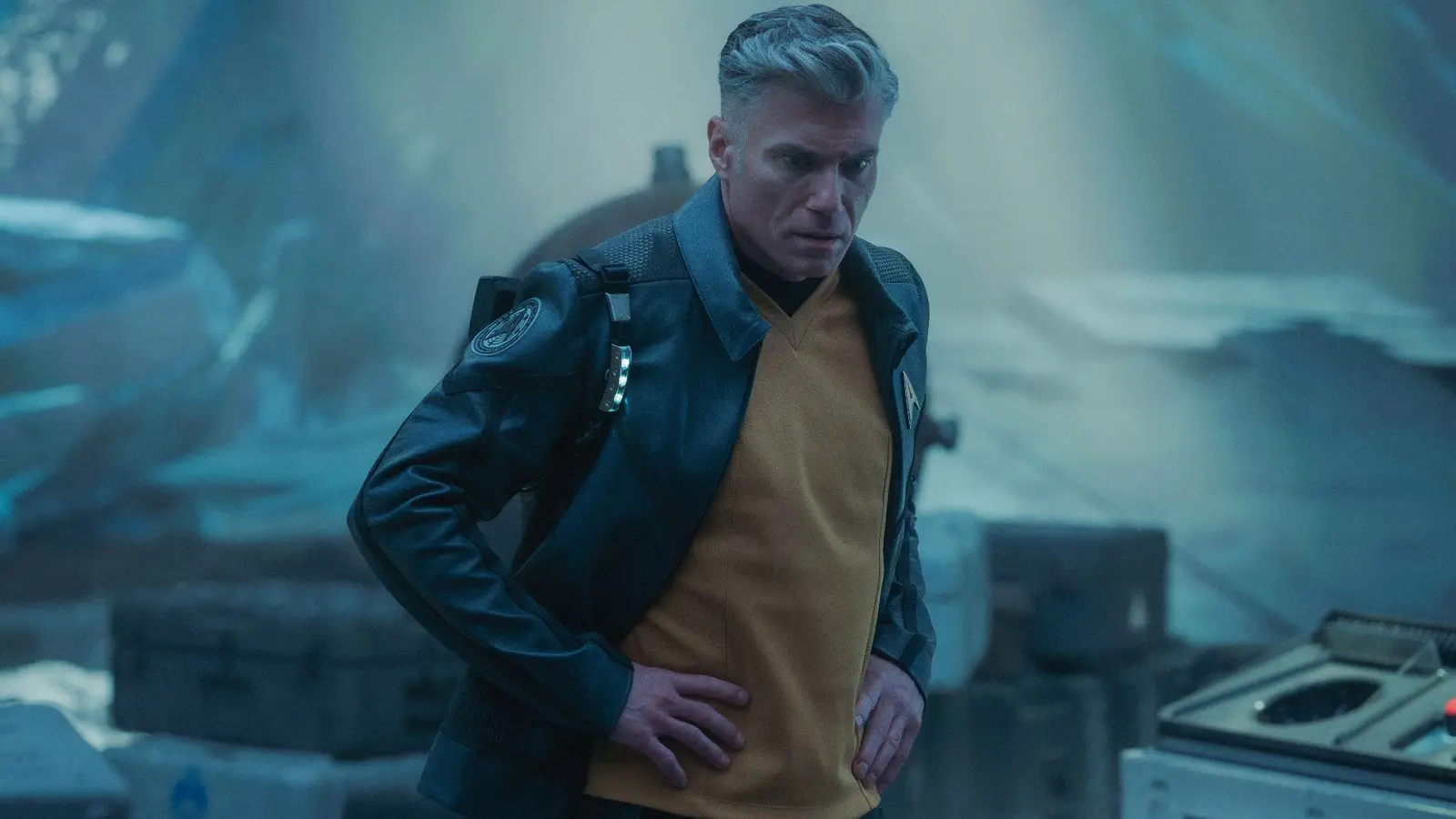
How Kirk’s Moral Compass Guides His Actions
Lt. Commander James T. Kirk confronts his first true test of command in the eighth episode of Star Trek: Strange New Worlds Season 4, airing in September 2026. The episode centers on Kirk’s challenging encounter with a superior officer whose decisions border on reckless, forcing the young officer to grapple with the weight of leadership and moral responsibility aboard the USS Enterprise.
Culture picks
 Taylor Swift earns first CMA nomination in four years
 BTS Sets First Live Screening in South America
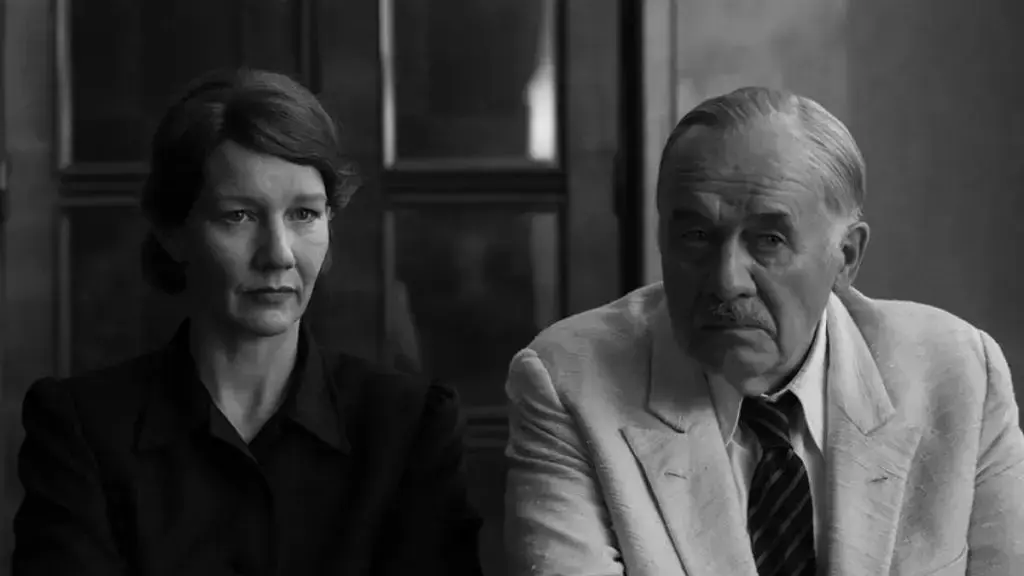 Fatherland Trailer Reveals Cold War Drama Starring Sandra Hüller
 Marvel’s Wolverine Delivers a Gritty, Linear X-Men Adventure
This pivotal moment arises when Kirk must question the orders of a flag officer—referred to as a „Badmiral” due to their flawed judgment—during a high-stakes diplomatic mission. The tension escalates as Kirk balances loyalty to the chain of command with his duty to protect his crew and uphold Starfleet ideals, marking a significant step in his evolution toward becoming the captain fans know.
Throughout the episode, Kirk relies on his instincts and ethical training to navigate the crisis, choosing dialogue and caution over blind obedience. His reluctance to follow dangerous orders stems not from defiance, but from a deep commitment to preserving life and preventing unnecessary conflict. Writers highlight this as a defining trait that separates him from more rigid officers, showing that true leadership sometimes means speaking up.
What Does This Mean for Kirk’s Future Command?
Spock and Uhura provide quiet but firm support, offering counsel that reinforces Kirk’s resolve without undermining authority. Their dynamic underscores the importance of trusted advisors in moments of ethical uncertainty, reinforcing Starfleet’s collaborative ethos even under pressure.
This experience plants the seed for Kirk’s future philosophy of command—one that values questioning authority when ethics are at stake. By facing consequences for his stance, he learns that integrity may come at a personal cost, but it earns lasting respect. The episode suggests this trial shapes his willingness to later challenge superiors as captain, most notably in his original series adventures.
Showrunners confirm the arc was designed to show Kirk’s growth isn’t linear, but forged in moments like this where courage isn’t loud, but steady. Fans see early signs of the principled commander who will one day defy orders to save a planet or rescue a crew.
Frequently Asked Questions
Why is the superior officer called a „Badmiral”? The term is a fan-coined blend of „bad” and „admiral,” used descriptively in the episode’s context to flag an officer whose decisions endanger the mission, not as an official title.
Does Kirk face disciplinary action for his choices? Yes, Kirk receives a formal reprimand for challenging the admiral’s orders, though his actions are later vindicated when the danger he predicted comes to pass.
How does this episode connect to Kirk’s later characterization? It establishes his early belief that blind obedience undermines Starfleet’s mission, a principle that defines his command style in later years, especially during the five-year mission.