How Does the Anthology Format Sustain Viewer Interest Over Multiple Seasons?
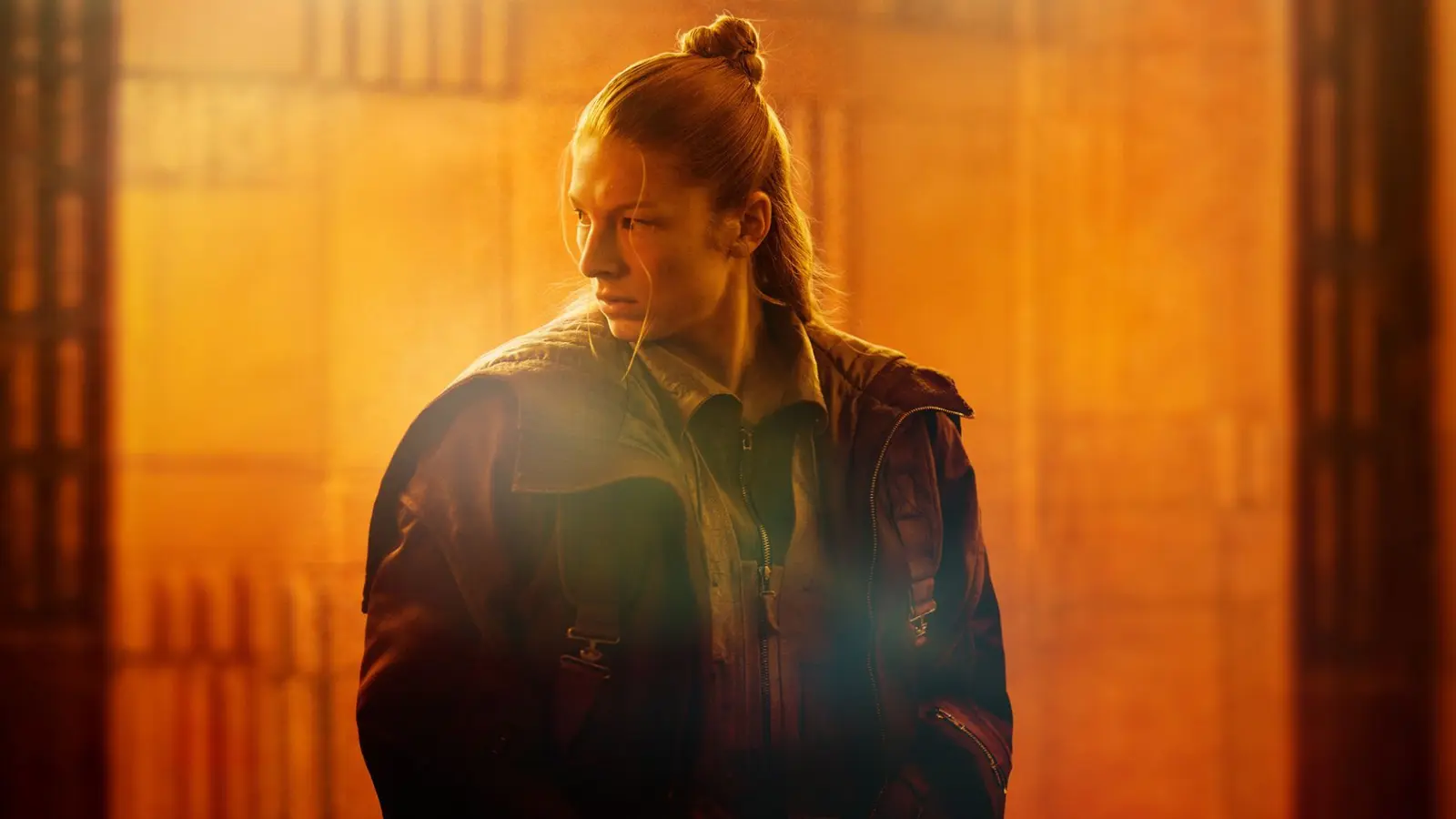
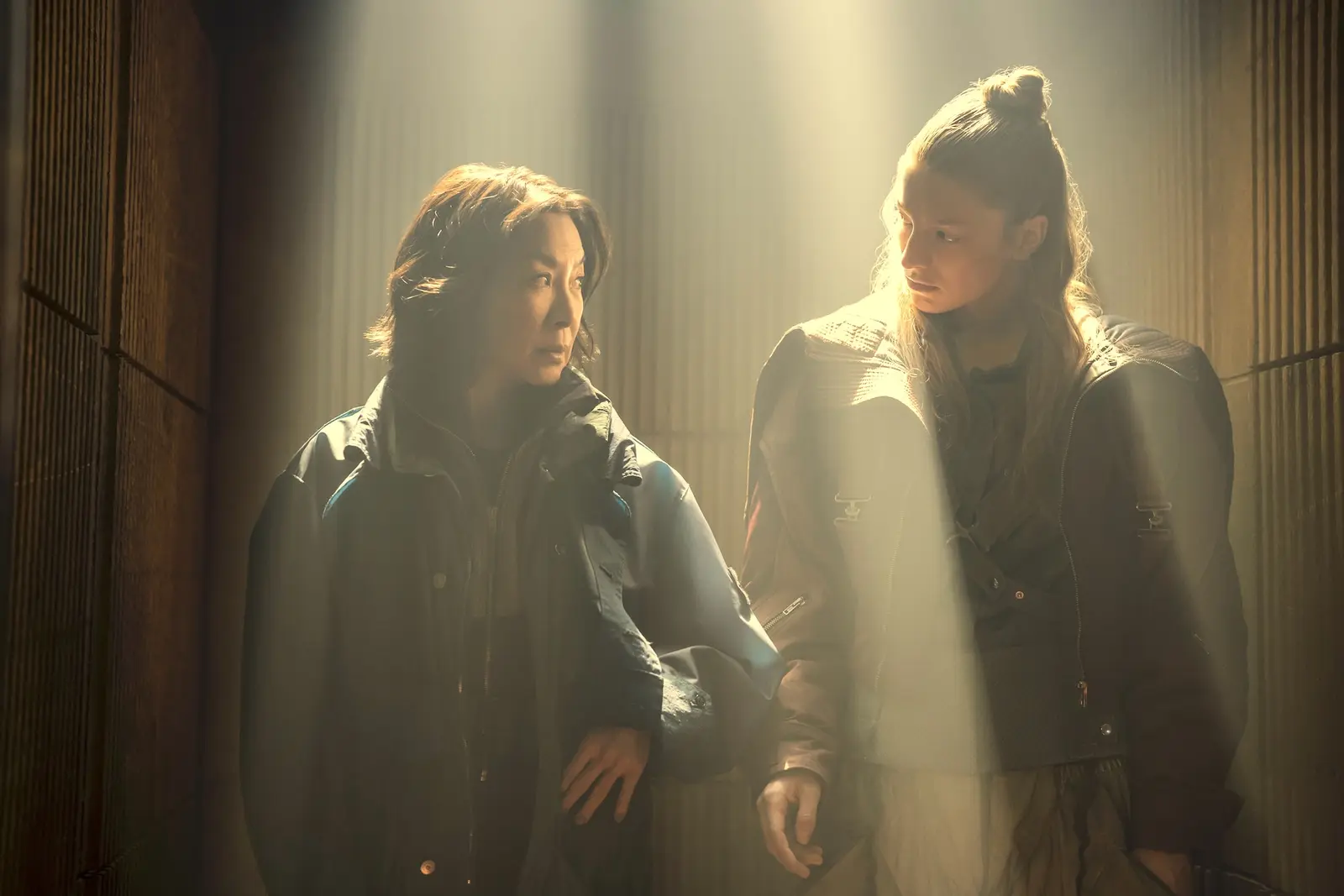
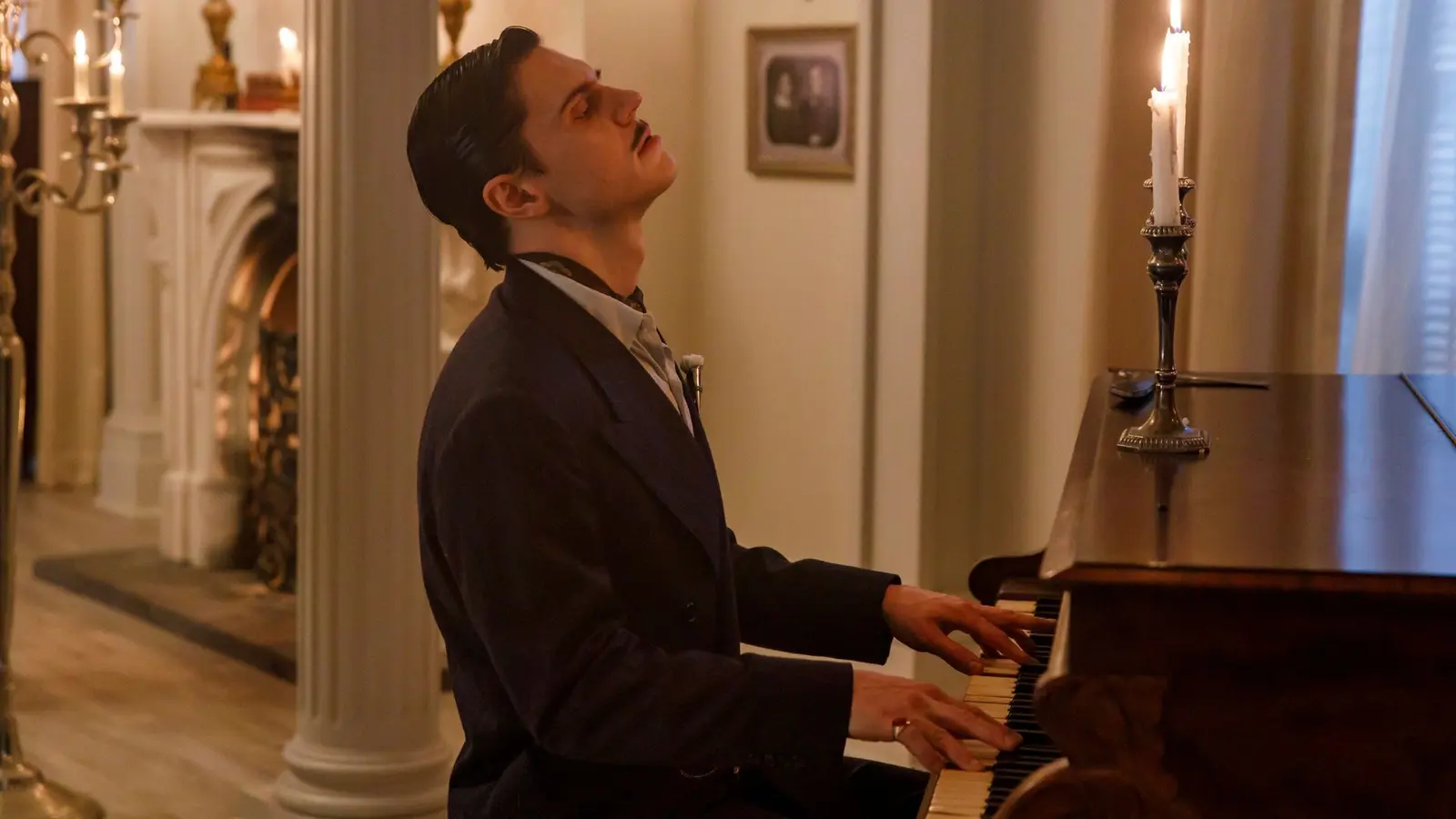
The 13-season horror series created by Ryan Murphy has emerged as one of the most-watched television programs following a recent ratings milestone, drawing significant attention across streaming platforms and traditional broadcast metrics. Industry reports indicate the show has sustained strong audience engagement throughout its run, with recent data confirming its placement among the top-viewed programs in the current television landscape. This resurgence highlights the enduring appeal of Murphy’s distinctive storytelling approach within the horror genre, blending anthology formats with recurring thematic elements and high-profile casting choices.
Culture picks
 The Forgotten Sci-Fi Classic That Deserves a Modern Revival
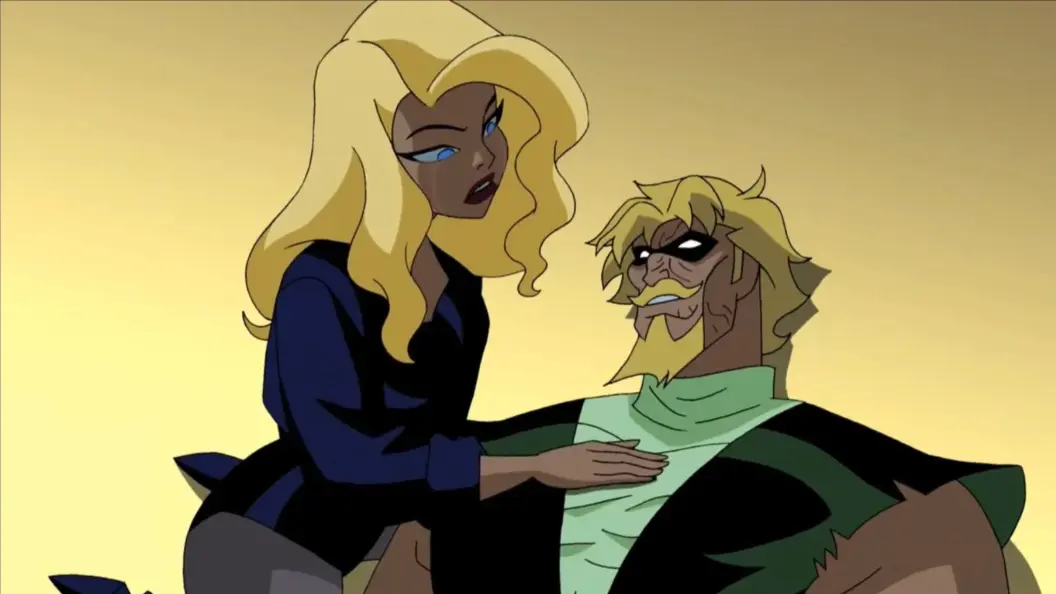 Green Lantern May Get New TV Series
 Netflix True Crime Hit Claims Global Streaming Top Spot
 Disney+ Alters Percy Jackson Series Format for Season 3
The series, known for its seasonal reinvention of horror tropes and narratives, has consistently attracted viewers through its blend of supernatural themes, psychological tension, and socially conscious undertones. Each installment introduces a new setting and central mystery while maintaining connections to a shared universe through recurring actors and subtle narrative echoes. Production values, including elaborate set designs and costume work, have been frequently cited as contributing factors to its critical and popular reception. The show’s ability to reinvent itself annually has allowed it to remain relevant amid shifting viewer preferences and competitive streaming offerings.
What Role Does Ryan Murphy’s Creative Influence Play in the Show’s Success?
The anthology structure enables the series to explore diverse horror subgenres—from haunted houses and cults to apocalyptic scenarios and supernatural epidemics—without requiring long-term character commitments from audiences. This flexibility allows creators to experiment with tone, pacing, and visual style while leveraging fan familiarity with returning performers in new roles. Critics have noted that this approach reduces narrative fatigue commonly associated with traditional long-form series, helping maintain freshness across more than a decade of episodes. Audience retention data suggests that seasonal premieres often generate spikes in viewership, indicating sustained curiosity about each new iteration.
Murphy’s involvement extends beyond conceptual oversight to include active participation in writing, casting, and aesthetic direction, ensuring a consistent authorial voice despite the rotating storylines. His track record with other high-profile television projects has contributed to the series’ credibility and ability to attract notable talent both in front of and behind the camera. The producer’s emphasis on stylized visuals, thematic depth, and ensemble casting has become a hallmark of the franchise, distinguishing it from more conventional horror offerings. Industry analysts suggest that this level of creative control has been instrumental in balancing commercial appeal with artistic ambition.
How many seasons has the series aired? The show has completed 13 seasons since its initial release, with each season presenting a self-contained narrative within an interconnected universe.
Frequently Asked Questions
What distinguishes this horror series from others in the genre? Its anthology format allows for complete story renewal each season while maintaining thematic continuity and recurring cast members in varied roles.
Has the series received critical recognition? Yes, the program has garnered multiple award nominations and wins across categories including acting, production design, and visual effects throughout its run.