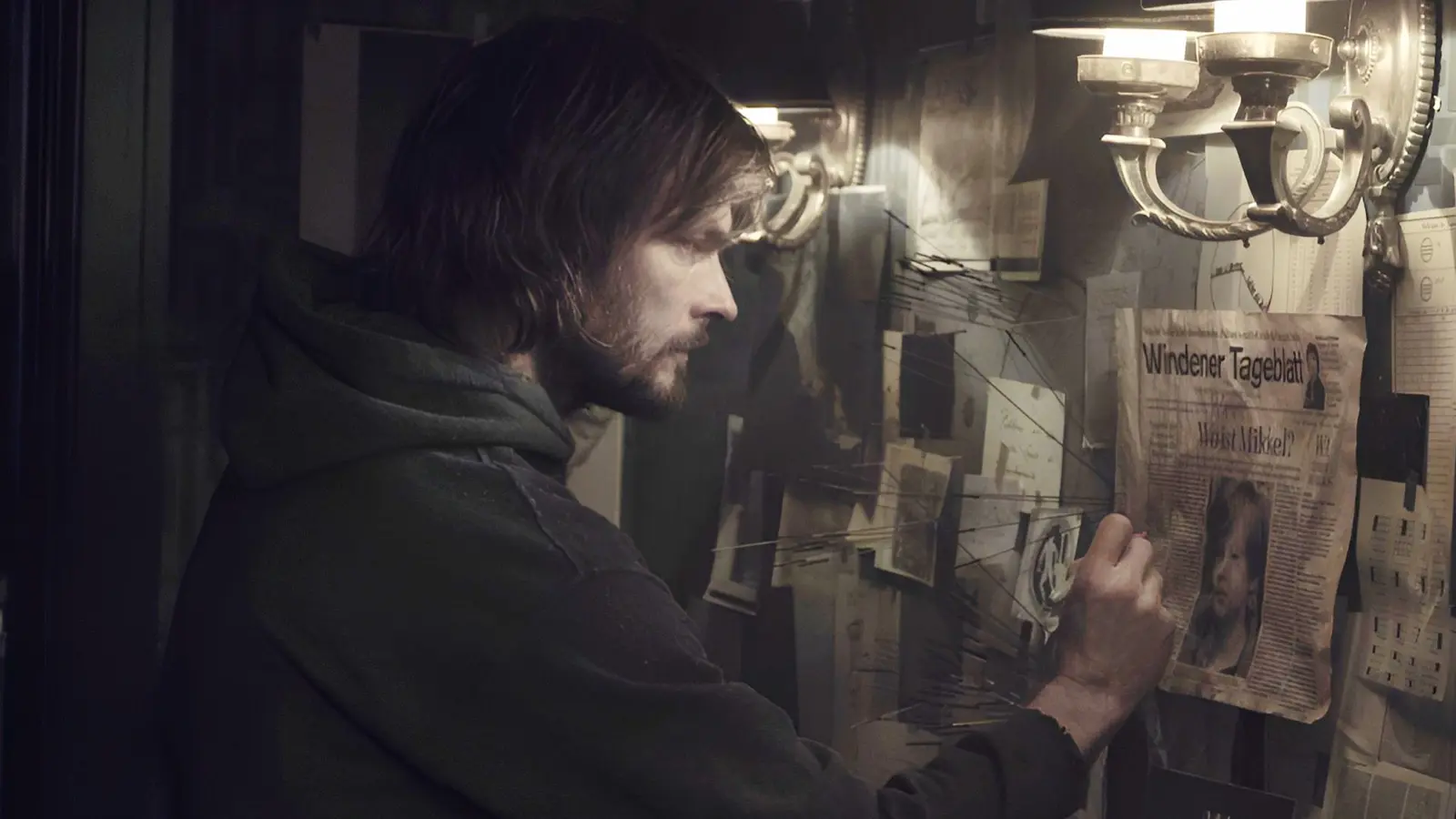
Unlike many time travel stories that rely on paradoxes as plot holes, Dark
Netflix’s German sci-fi series Dark, spanning 26 episodes across three seasons, has earned acclaim for its intricate time travel narrative that challenges viewers without talking down to them. Released between 2017 and 2020, the show gained global attention for its complex web of interconnected timelines, character arcs, and philosophical themes. Its conclusion in June 2020 marked the end of a rare television achievement that prioritized narrative coherence over easy answers. The series follows four interconnected families in the fictional town of Winden as they uncover secrets spanning generations, tied to a mysterious cave and a time loop that repeats every 33 years. Creators Baran bo Odar and Jantje Friese designed the story to demand active engagement, using visual cues, recurring symbols, and layered dialogue to reward attentive viewers.
Culture picks
 Denzel Washington's 2 Guns Set to Exit Netflix Streaming Library
 A Cinematic Treasure Hunt Lands on Free Streaming Platforms
 Shaun the Sheep: The Beast of Mossy Bottom Is Officially an Instant Halloween Classic
 5 Beloved Books That Still Deserve a Faithful Adaptation
Unlike many time travel stories that rely on paradoxes as plot holes, Dark treats its rules with rigor, making cause and effect central to its emotional and thematic weight. How Dark Rewarded Patient Viewing Dark’s narrative structure required viewers to track events across 1730s, 1950s, 1980s, 2010s, and 2050s, often simultaneously. The show avoided exposition dumps, instead embedding clues in background details, character names, and music choices. Fans online created detailed charts and timelines to map relationships, turning watching into a collaborative puzzle-solving experience. This approach fostered a dedicated community that appreciated the show’s trust in their ability to follow complex logic without simplification. What Happens When a Show Trusts Its Audience By refusing to overexplain, Dark allowed its themes of fate, free will, and the cyclical nature of trauma to resonate more deeply.
The final season’s resolution, which brought closure to the origin loop while leaving room for existential reflection, was praised for earning its emotional payoff through prior setup rather than last-minute twists. Critics noted that the show’s confidence in its audience contributed to its lasting impact, influencing later sci-fi series to adopt similar narrative ambition. Frequently Asked Questions Is Dark difficult to follow for casual viewers? Yes, the show’s nonlinear storytelling and large cast require close attention, but many find the effort rewarding due to its cohesive payoff. Does Dark have a satisfying ending? The third season concludes the main time loop definitively, resolving character arcs while maintaining the show’s philosophical tone. Will there be more seasons of Dark? No, the creators confirmed the story was designed as a three-season arc, with no plans for continuation.