The Art of Controlled Revelation
The new series „The Prisoner” has debuted to perfect scores on Rotten Tomatoes, positioning itself alongside cult classics like „Lost” and „Severance” as a modern mystery‑box masterpiece. Created by an anonymous collective, the show premiered this week on a major streaming platform, drawing immediate attention for its cryptic narrative and star‑studded cast, including Josh Holloway as the enigmatic James Sawyer, who is seen brandishing a pistol in the opening scene.
Culture picks
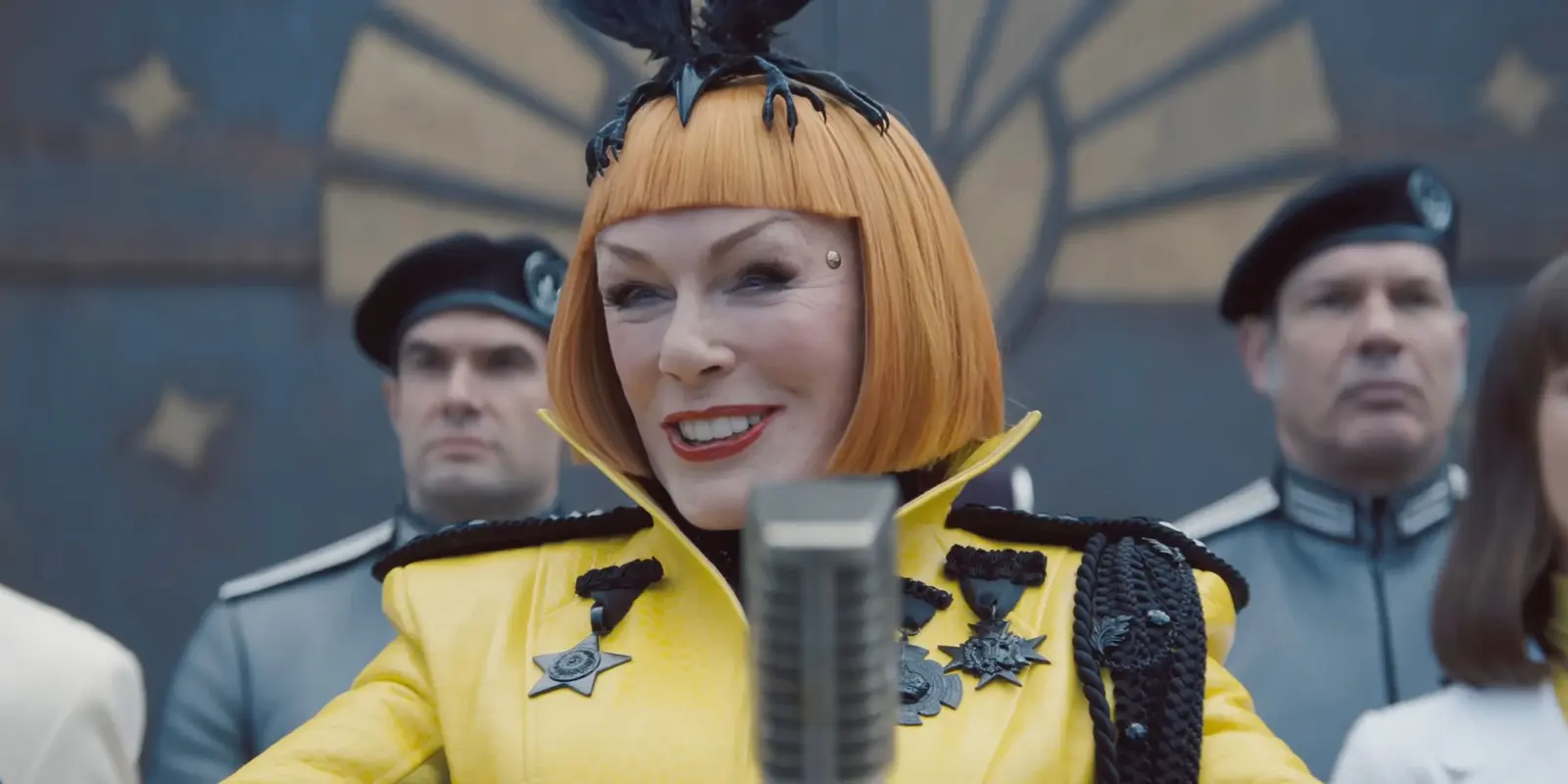 Hunger Games: Sunrise Returns to Theaters in One Month
 The Musical Resonance of the New Carrie Adaptation
 New Sci‑Fi Thriller Fails to Crack Netflix Top 10
 Denzel Washington Joins Christopher McQuarrie for Amazon MGM Thriller
„The Prisoner” taps into the same narrative DNA that made „Lost” and „Severance” cultural touchstones: a tightly woven puzzle, fragmented storytelling, and an ever‑present sense of surveillance. The series follows Sawyer, a former intelligence operative, as he awakens in a remote, heavily monitored community where every resident’s memories are surgically altered. The premise mirrors „Severance”’s corporate mind‑splitting and „Lost”’s island confinement, but adds a dystopian twist that questions free will. Showrunner Maya Patel explained that the goal was to „reignite the audience’s love for slow‑burn mystery while challenging them to piece together clues in real time.” Early reviews praise the show’s visual style, noting its stark, muted palette and unsettling sound design that amplifies the feeling of being constantly watched.
The series employs a deliberate pacing strategy, revealing information in bite‑size fragments that compel viewers to theorize after each episode. Production designer Luis Ortega crafted the town’s architecture to resemble a labyrinth, with hidden corridors and surveillance cameras that never blink. „Every hallway is a metaphor for the mind’s hidden corridors,” Ortega said in a recent interview. The show also integrates interactive elements: fans can submit theories on a dedicated forum, influencing minor plot details in future episodes. This participatory approach mirrors the fan‑driven speculation that once surrounded „Lost,” where online communities dissected every clue.
Can „The Prisoner” Sustain Its Mystery‑Box Momentum?
Critics wonder whether the series can maintain audience interest beyond the initial shock value. „Mystery‑box shows risk fatigue if the payoff doesn’t match the buildup,” noted television analyst Priya Desai. So far, the show’s writers have hinted at a larger conspiracy involving a shadowy organization known only as „The Council.” Yet, the absence of a clear timeline for resolution may test viewers’ patience. The series’ success will likely depend on its ability to balance intrigue with satisfying narrative closure, a lesson learned from the mixed endings of its predecessors.
If „The Prisoner” continues to deliver compelling twists while keeping its audience engaged, it could redefine the modern mystery‑box formula and inspire a new wave of serialized storytelling. Its flawless Rotten Tomatoes rating suggests strong initial reception, but long‑term impact will hinge on whether the show can resolve its labyrinthine plot without alienating its fan base.
Frequently Asked Questions
What is the central premise of „The Prisoner”? The show follows former operative James Sawyer, played by Josh Holloway, as he awakens in a surveilled community where residents’ memories are altered, forcing him to uncover the truth behind his captivity.
How does the series connect to „Lost” and „Severance”? It shares the mystery‑box structure, fragmented storytelling, and themes of memory manipulation and confinement, echoing the narrative techniques that made the earlier shows iconic.
Will fan theories influence the storyline? Yes, the producers have set up an official forum where viewer speculation can affect minor plot points, encouraging a collaborative storytelling experience.