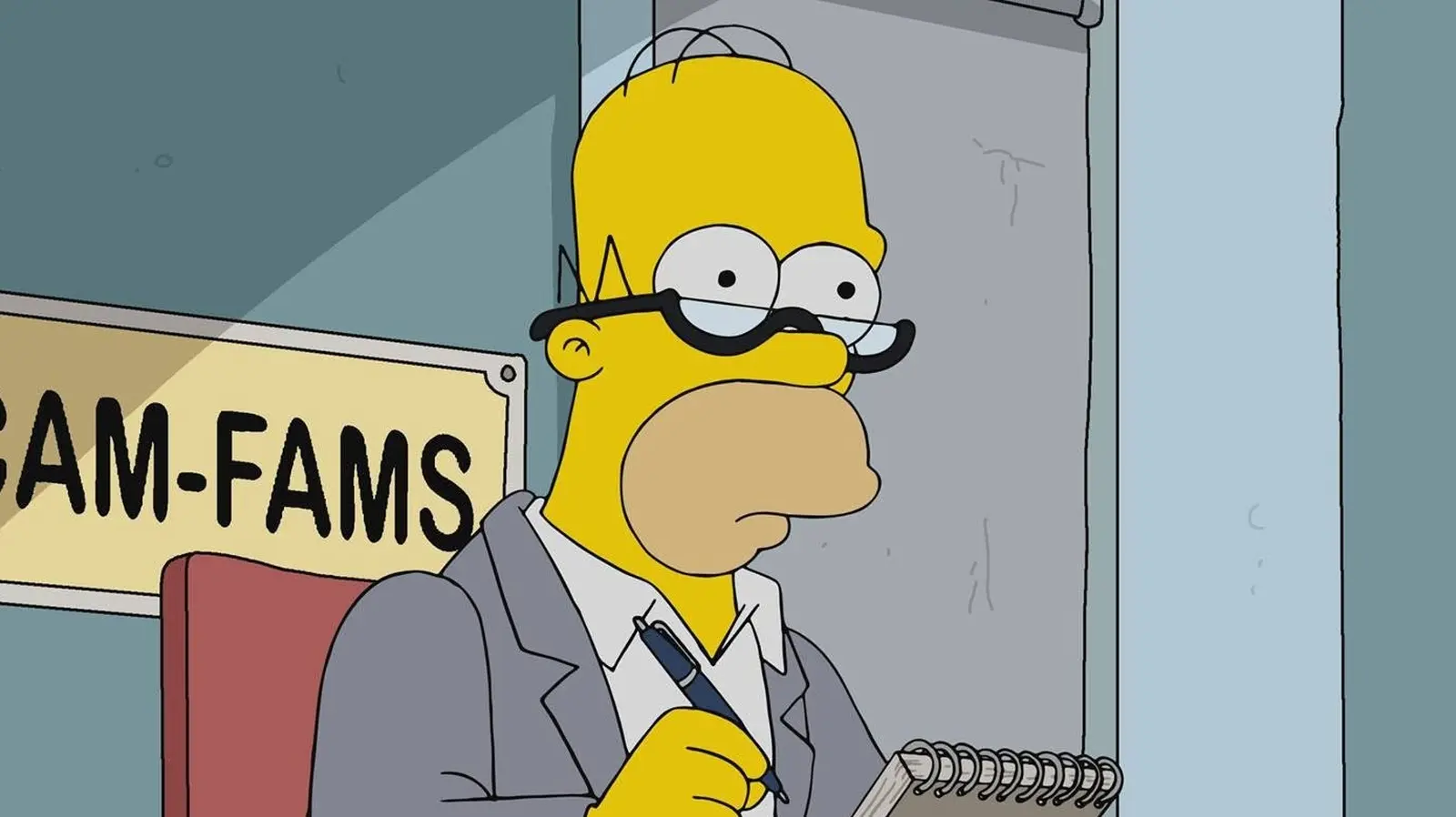
The Ensemble Is the Engine
The iconic animated sitcom „The Simpsons” has been on the air for nearly 40 years, becoming a cultural touchstone worldwide. Its creator, Matt Groening, says the series was never meant to spawn a spin‑off, and he believes the decision was intentional rather than a missed opportunity.
Culture picks
 Rachel Zegler Recalls the High-Stakes Audition for Evita
 New Collectible Line Highlights Upcoming Avengers: Doomsday Cinematic Event
 A Fresh Perspective on the Meta Founder’s Cinematic Legacy
 Behind the Scenes: The Most Notorious Film Productions in History
Groening first imagined „The Simpsons” as a short run of just 13 episodes, a modest experiment that quickly exploded into a multigenerational phenomenon. Over the decades the show has amassed more than 750 episodes, countless awards, and a permanent place in pop‑culture. Yet despite the depth of its supporting cast and the richness of Springfield’s universe, no character has ever been given a dedicated series. In a recent interview, Groening explained that the show’s core strength lies in its ensemble format, and that breaking it apart would dilute the very chemistry that makes it work.
„The Simpsons” thrives on the interplay among the family members, the town’s eccentrics, and the ever‑shifting satire of American life. Groening emphasized that each character’s relevance depends on their relationship to the others. „If you pull Homer out of the kitchen, you lose the humor that comes from his interaction with Marge and the kids,” he said. The creator added that attempts to isolate a single character would inevitably feel forced, because the series’ jokes and storylines are built on the collective absurdity of Springfield.
Could a Spin‑Off Ever Work, or Is It a Lost Cause?
Industry insiders note that the show’s longevity is partly due to its flexibility; writers can explore any topical issue through the familiar lens of the family. A spin‑off would limit that scope, confining writers to a narrower set of scenarios. Groening also mentioned that the network has historically resisted spin‑offs, preferring to keep the brand intact and avoid franchise fatigue.
Fans have long speculated about a possible „Bart the Kid” or „Moe’s Tavern” series, but Groening remains skeptical. He argued that the humor of secondary characters relies on their occasional appearances, not constant focus. „Moe is funny because he’s the sad clown who shows up once in a while,” he explained. Turning him into a lead would strip away the mystery and pathos that make his moments memorable.
Moreover, the creator warned that a spin‑off could cannibalize the original’s audience. „We’ve seen other franchises suffer when they overextend,” he noted, citing examples from live‑action TV where spin‑offs diluted the brand. By keeping the universe contained within one show, „The Simpsons” preserves its cultural relevance and avoids the pitfalls of over‑production.
The decision to forgo a spin‑off has implications for the future of long‑running series. It suggests that creators may prioritize narrative integrity over commercial expansion, especially when the core product remains profitable and beloved. As „The Simpsons” approaches its 750th episode, the lack of a spin‑off reinforces its status as a singular, self‑sustaining entity.
Frequently Asked Questions
Why didn’t the network push for a spin‑off? The network has historically favored preserving the flagship series’ brand strength, fearing that a spin‑off could fragment the audience and diminish the original’s appeal.
Has any character ever been considered for a separate show? Ideas have floated around for characters like Bart and Moe, but Groening and the writers concluded that their humor depends on occasional, surprise appearances within the main series.
Will „The Simpsons” ever end, and could a spin‑off be a finale? Groening believes the show will continue as long as it remains fresh and relevant. A spin‑off is unlikely to serve as a finale; instead, the series may simply conclude on its own terms when the creators decide the story has run its course.