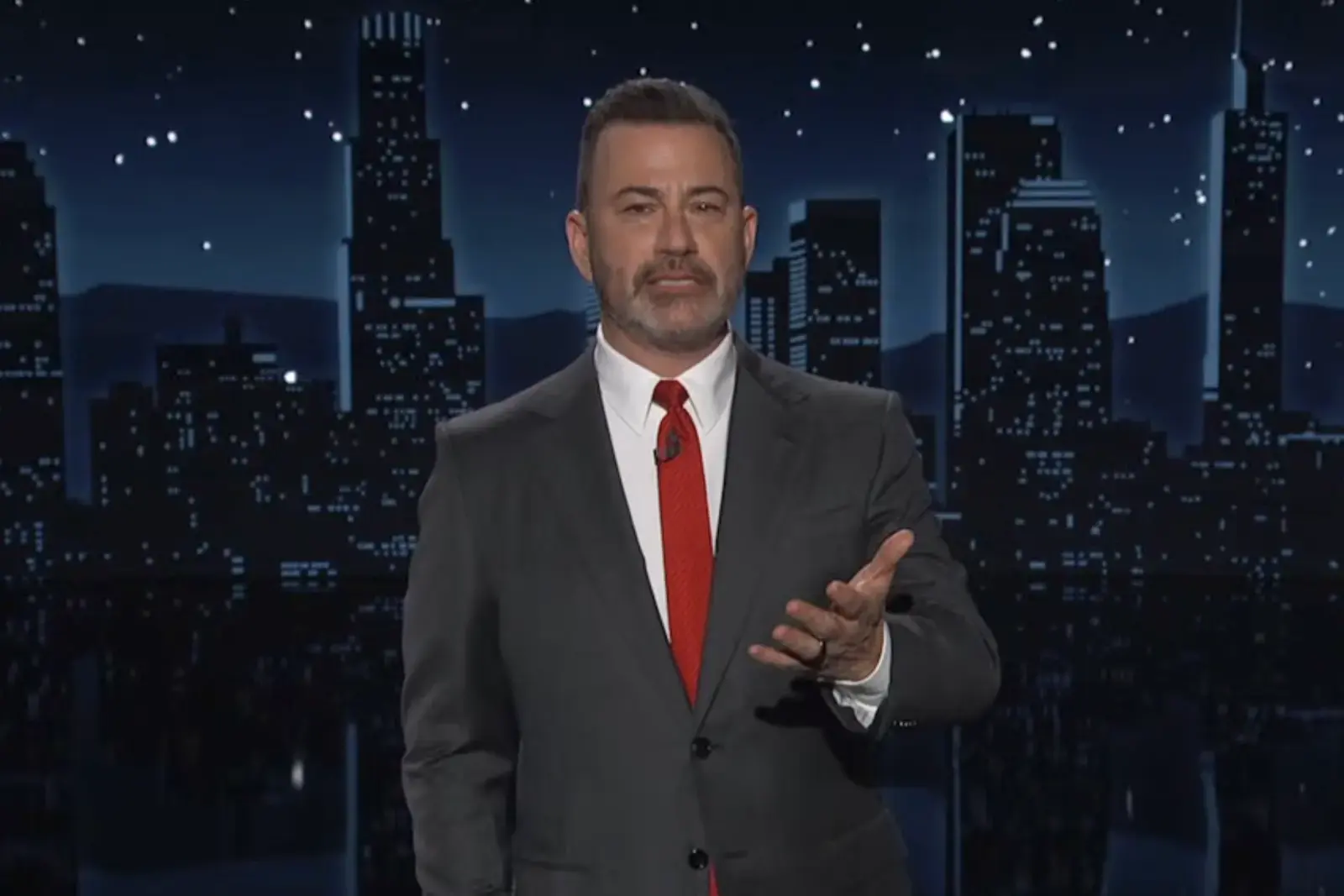
Digital Platforms Offer Regulatory Safe Harbor
The Jimmy Kimmel Live show has decided to move its upcoming interview with Texas state representative James Talarico from traditional television broadcast to its digital platform on YouTube. This strategic change comes after the Federal Communications Commission issued threats regarding the coverage of the Texas Senate candidate. The move allows the program to retain the segment while avoiding potential regulatory scrutiny associated with live or recorded TV broadcasts.
Culture picks
 Taylor Swift earns first CMA nomination in four years
 BTS Sets First Live Screening in South America
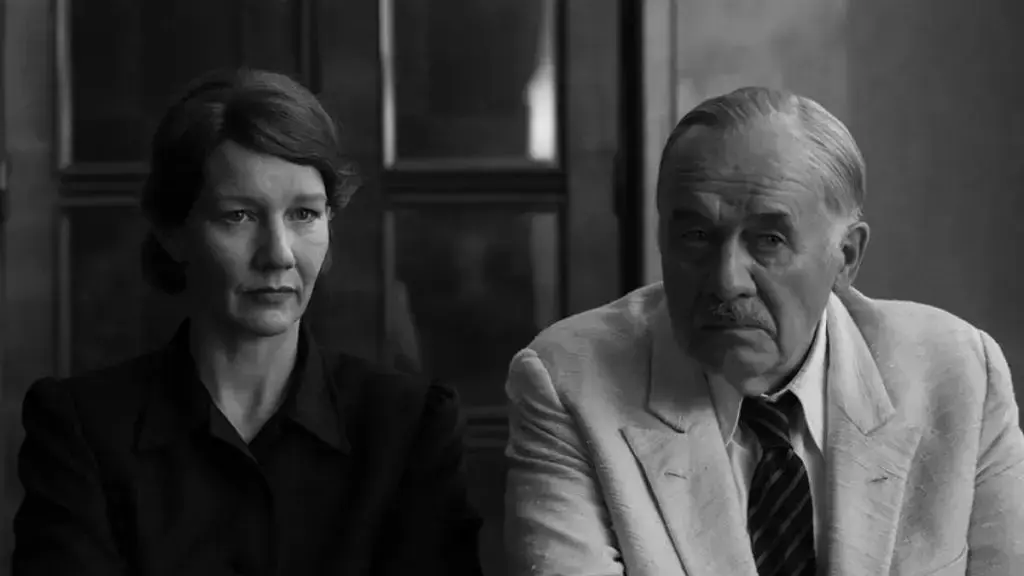 Fatherland Trailer Reveals Cold War Drama Starring Sandra Hüller
 Marvel’s Wolverine Delivers a Gritty, Linear X-Men Adventure
The decision highlights the growing tension between late-night talk shows and federal regulators. Producers sought to maintain their editorial freedom while navigating the complex landscape of political interviews. By shifting the content online, the show can reach a wide audience without triggering specific FCC compliance rules that apply to over-the-air television signals. This approach mirrors trends seen in other late-night programs seeking to preserve their voice during election cycles.
Moving the interview to YouTube provides a distinct advantage for the production team. The FCC’s jurisdiction over digital streaming content differs significantly from its oversight of terrestrial television channels. This distinction allows hosts to engage in more robust discussions with political figures without fearing immediate fines or formal complaints. The shift underscores how media companies are adapting to modern regulatory frameworks. It also signals a broader industry trend where digital archives become primary distribution channels for sensitive content. Viewers will still be able to watch the full conversation, but the technical delivery method changes the legal context entirely.
Does This Signal A Broader Industry Trend?
Producers noted that the threat from the FCC was a key factor in this decision. They wanted to ensure that the interview with Talarico could proceed without interruptions or post-broadcast penalties. The candidate represents a significant figure in the Texas political race, making his appearance highly relevant to current events. By choosing the digital route, the show balances public interest in the story with internal risk management protocols. This method ensures the content remains accessible to fans who follow the show’s online presence regularly.
This specific move may indicate a larger shift in how late-night television handles political content. As regulatory bodies increase their attention on broadcast standards, producers are looking for alternative avenues to deliver their programming. The use of YouTube as a primary outlet for major interviews is becoming more common. It offers flexibility that traditional cable or network slots often lack. However, it also raises questions about viewer habits and engagement levels on different platforms. The show must balance the convenience of digital access with the reach of linear television schedules.
Frequently Asked Questions
The final outcome of this decision will depend on viewer response and subsequent FCC actions. If the commission continues to press for stricter enforcement, more shows may follow suit. For now, the Kimmel show retains its ability to feature Talarico without compromising its format. The interview remains a focal point for political commentary and analysis. Audiences can expect the segment to air soon on the show’s official channel, marking another evolution in late-night media strategy.
Why did the show move the interview to YouTube? The production team shifted the segment to avoid potential penalties from the Federal Communications Commission. Digital platforms currently face less direct regulatory pressure than traditional television broadcasts.
Who is James Talarico? James Talarico is a Texas state representative and a candidate for the United States Senate. His interview was originally planned for the main television broadcast before the recent scheduling change.