
Reality TV Takes Center Stage
Jon Stewart, former Comedy Central star, criticized Netflix's programming choices on May 9. He appeared on a panel discussion, questioning the platform's content direction. Stewart's comments targeted the network's reality TV shows and their perceived sensationalism.
Culture picks
 Princess of Wales Stuns in Purple Jenny Packham at Digger Premiere
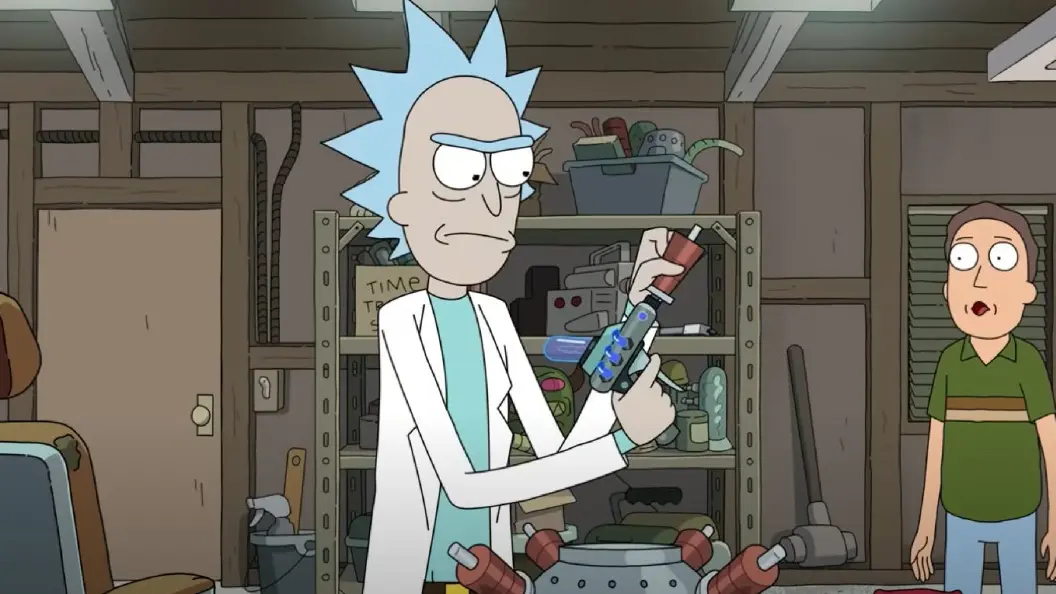 Zack Snyder Still Eyes Rick and Morty Cinematic Adaptation
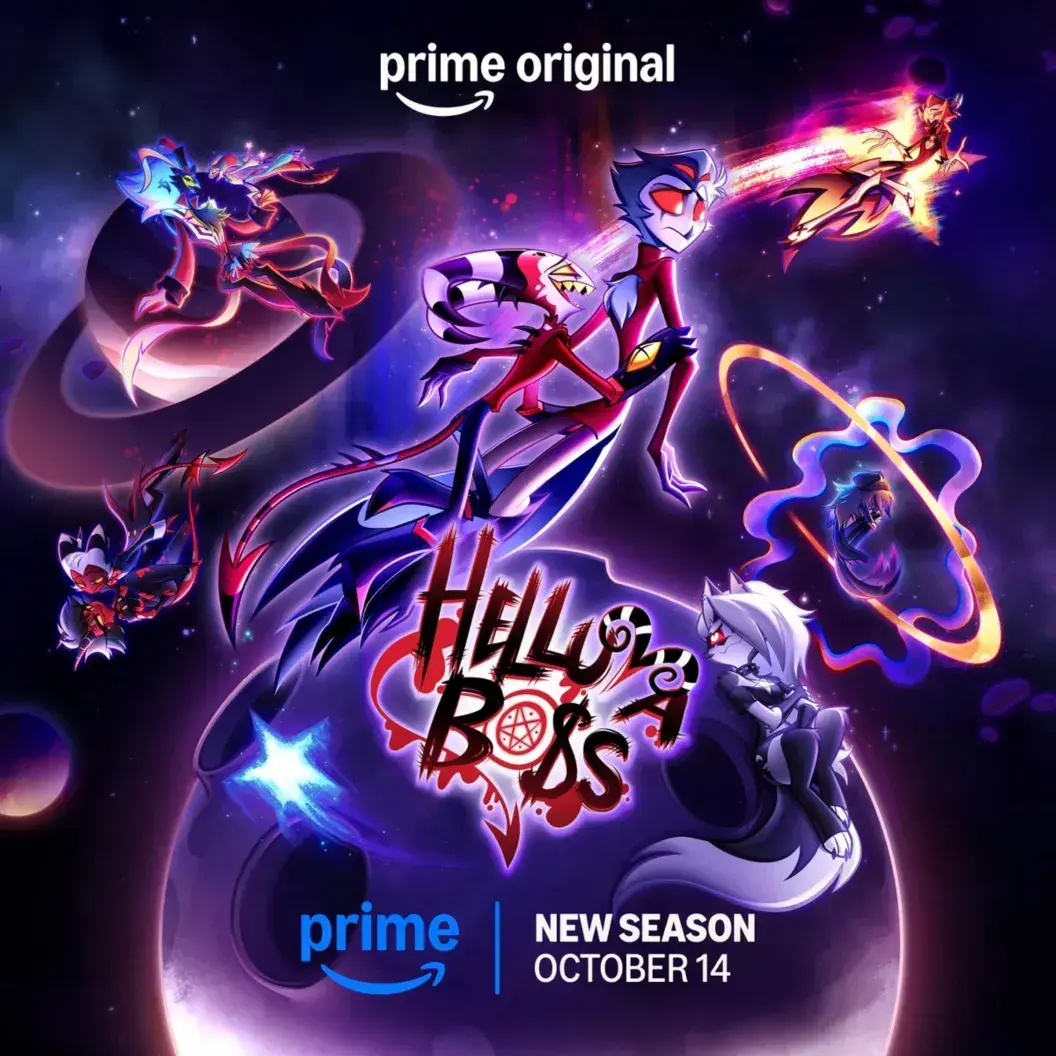 Helluva Boss Season 3 Release Date and Trailer Officially Revealed
 Lanterns’ Latest Episode Shatters Long‑Held Fan Theory About „Blackest Night”
Stewart's remarks were sparked by Netflix's recent programming, including shows featuring reality TV personalities. He expressed concern over the type of content being promoted on the platform. The comedian specifically called out Spencer Pratt, a reality TV star from „The Hills”.
Stewart joked that with one disaster, Netflix would hand over control to Pratt, saying „One fire, one mudslide and you're like, OK, just let the guy from ' The Hills' take over.”He questioned the platform's priorities, wondering if sensationalism was driving their content decisions. Stewart's comments highlighted the tension between comedy and reality TV on the platform.
Is Sensationalism the New Normal?
Stewart's criticism implies that Netflix is prioritizing shock value over more substantial content. The comedian's remarks suggest that the platform's focus on reality TV is a deliberate choice, rather than a response to audience demand. This raises questions about the platform's editorial direction and its potential impact on viewers.
The consequences of Netflix's programming choices remain to be seen. As the platform continues to shape the media landscape, its decisions will likely influence the types of shows produced and consumed. If Stewart's criticism is any indication, the debate over sensationalism in media is far from over.
Frequently Asked Questions
What sparked Jon Stewart's criticism of Netflix? Stewart's comments were triggered by Netflix's recent reality TV programming, particularly shows featuring Spencer Pratt.
Is Netflix prioritizing sensationalism over comedy? Stewart's remarks suggest that the platform is favoring reality TV and sensational content over more traditional comedy programming.
What are the implications of Netflix's programming choices? The platform's decisions may influence the types of shows produced and consumed, potentially shaping the media landscape.