
Why Drip-Feeding Answers Often Backfires
HBO recently concluded its ambitious science fiction series, which ran for a total of 36 episodes. This lengthy run highlights the risks inherent in the mystery boxstorytelling structure. The format relies on withholding key information from audiences over multiple seasons. While this approach can create intense anticipation, it often leads to viewer fatigue. The series demonstrates how prolonged ambiguity can overwhelm even dedicated fans. Critics argue that the show failed to resolve its core mysteries effectively. Instead of providing clarity, the narrative added layers of confusion. This outcome reflects a broader trend in modern television where complexity sometimes outpaces coherence. The result is a story that feels more like a puzzle than a journey. Viewers are left questioning whether the delays served the plot or just the production schedule. The finale did not satisfy the accumulated curiosity of the audience.
Culture picks
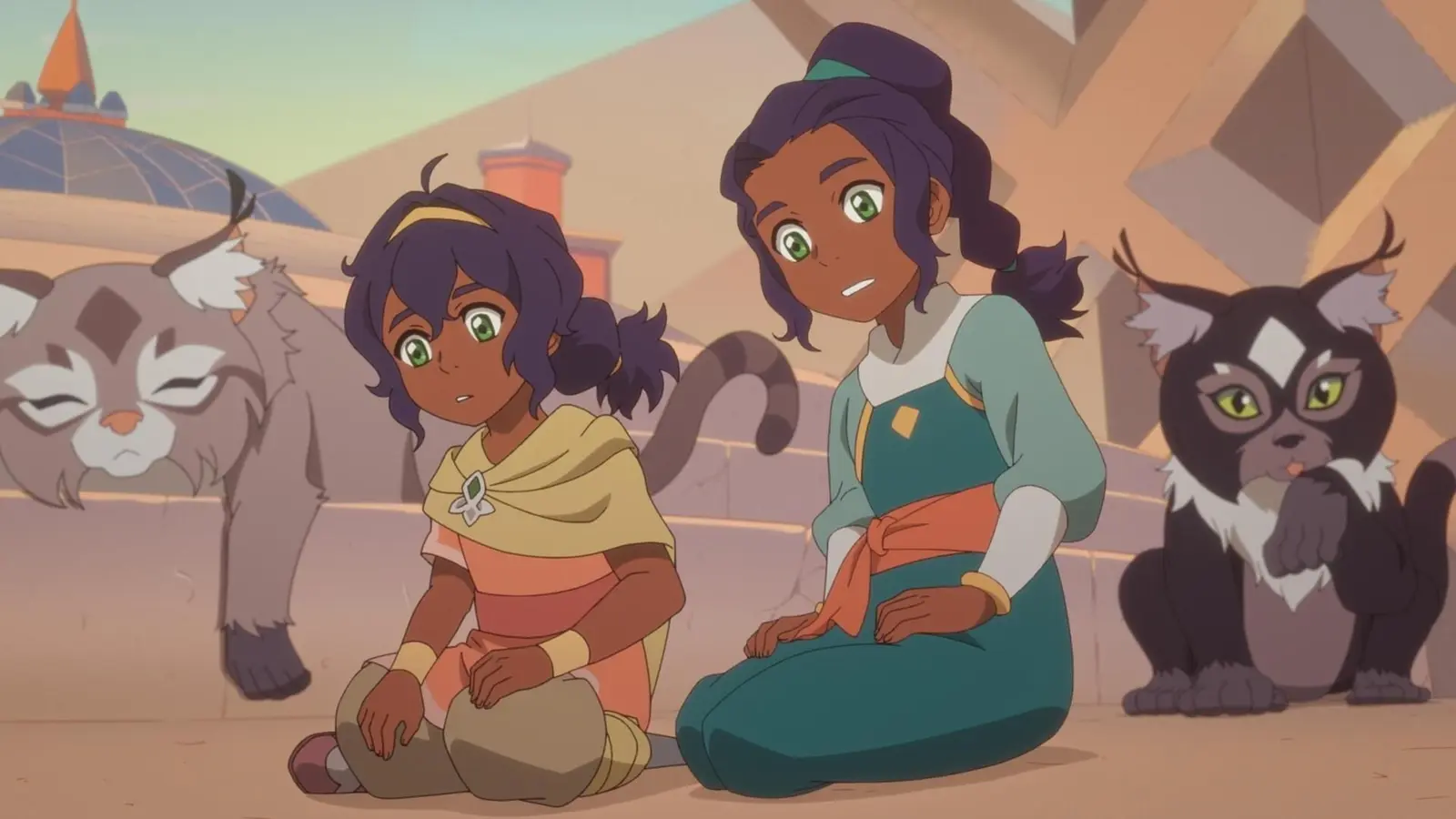 Avatar: Seven Havens Unveils a Dark Future and Potent New Benders
 A Daring Fusion of Victorian Lore and Modern Crime
 Horror and Gaming Collide to Dominate Global Streaming Charts
 Stephen King’s Small-Town Sci-Fi Mystery That Divided Audiences
The mystery box format has fundamentally altered the television landscape. It drops viewers into a world filled with unexplained phenomena. Producers then spend several seasons releasing answers slowly. When executed perfectly, this method creates deep satisfaction. A minor detail in the first episode might reveal its significance two seasons later. However, the current series shows what happens when the balance tips toward confusion. Constant questions without definitive answers erode trust between the creator and the viewer. The narrative becomes a cycle of speculation rather than progression. Audiences begin to feel manipulated by the pacing. The lack of closure prevents emotional investment in character arcs. The show relied heavily on red herrings to maintain tension. These misdirections eventually felt repetitive rather than clever. The final episodes attempted to tie up loose ends, but the knots were too tangled. The resolution felt rushed compared to the slow buildup.
This disparity between setup and payoff is a common flaw in long-form mysteries.
Does Length Guarantee Quality?
Length does not automatically equate to depth. A 36-episode run provides ample time for world-building. It allows for intricate plotting and character development. Yet, quantity cannot compensate for poor structural choices. The series struggled to maintain momentum across its many installments. Mid-season sagging became a persistent issue. Writers faced the challenge of keeping stakes high without new major revelations. The result was a reliance on smaller, less impactful conflicts. These filler episodes diluted the central mystery. The show needed to balance exposition with action. Too much explanation broke the spell of the unknown. Too little left viewers feeling lost in the dark. The final stretch tried to accelerate the pace. This sudden change in tempo felt jarring to long-time followers. The lesson for future creators is clear. Pacing must remain consistent throughout the entire run.
The conclusion of this HBO series offers valuable insights for the industry. It proves that mystery boxes require rigorous planning. Creators must map out resolutions before writing the pilot. Every question introduced needs a corresponding answer. Without this framework, the narrative collapses under its own weight. Future shows should prioritize clarity over obscurity. The goal is to reward patience, not punish it. As streaming platforms continue to experiment with long-form storytelling, this case study remains relevant. It reminds writers that simplicity often beats complexity. The success of a mystery lies in its eventual revelation. If the reveal feels earned, the wait was worth it. If it feels forced, the format has failed. This series stands as a reminder that restraint is a powerful tool.
Frequently Asked Questions
How many episodes did the HBO series have? The series consisted of 36 episodes in total. This length allowed for extensive world-building but contributed to pacing issues. The final season resolved the main plot points quickly.
What is the main problem with the mystery box format? The primary issue is the risk of excessive ambiguity. When answers are delayed too long, viewers lose interest. The format requires a delicate balance between suspense and clarity.
Did the finale satisfy the audience? Most critics found the finale unsatisfying due to rushed conclusions. The buildup took years, but the payoff came abruptly. This mismatch highlighted the structural flaws in the series.