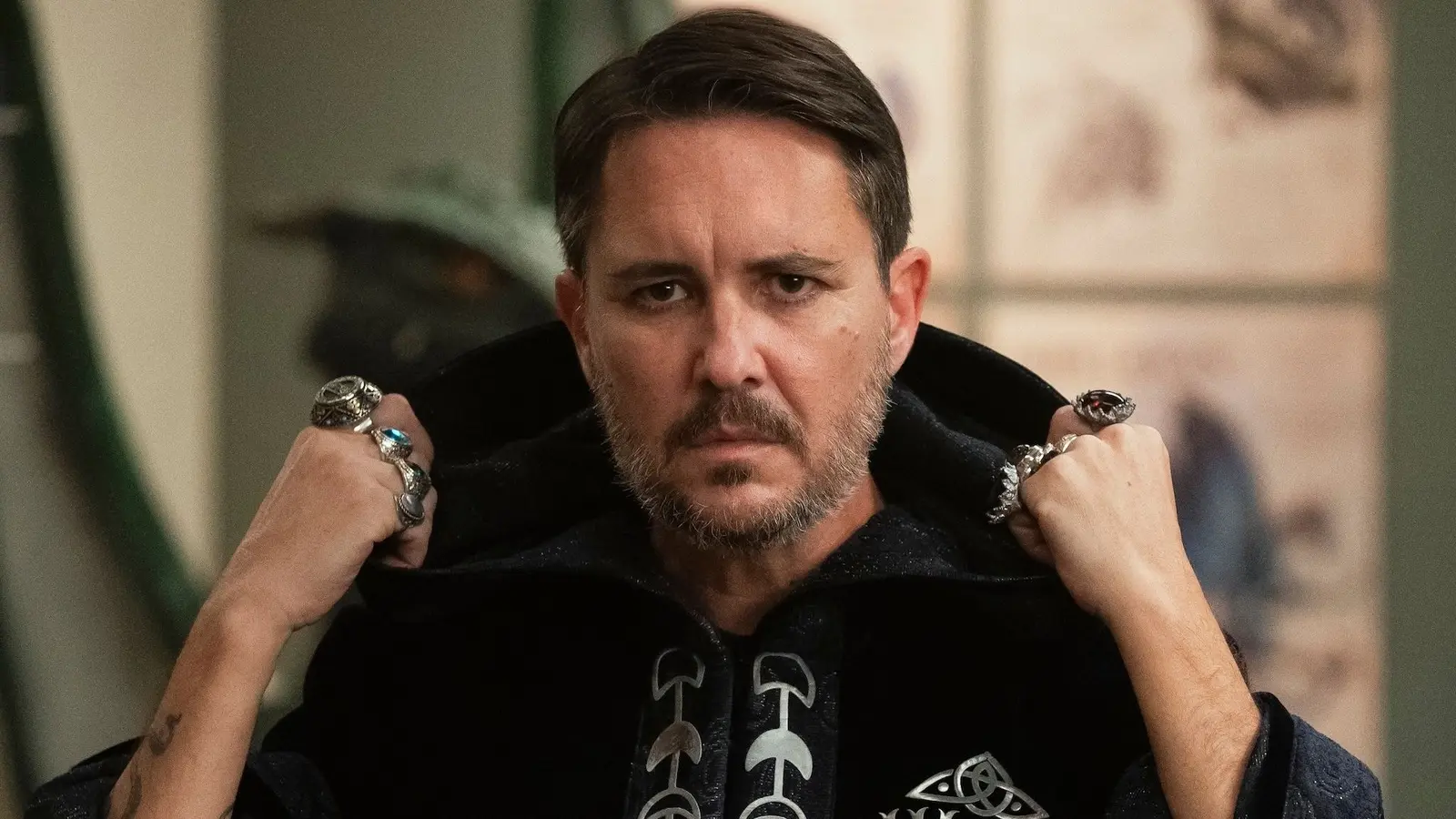
Its success lies in balancing absurd humor with genuine emotional stakes
An offbeat multiverse road trip with surprise cameos and wildly inventive worlds, HBO's R-rated sci-fi series has captured audience attention through its bold narrative risks and genre-blending approach. Premiering in late 2026, the show distinguishes itself by embracing chaos and unpredictability in a landscape where time travel stories often falter under rigid lore or repetitive tropes. Unlike many franchises that struggle to maintain freshness across multiple seasons, this series thrives by treating each episode as a standalone exploration of alternate realities, allowing writers to experiment with tone, visual style, and character arcs without being constrained by overarching mythology.
Culture picks
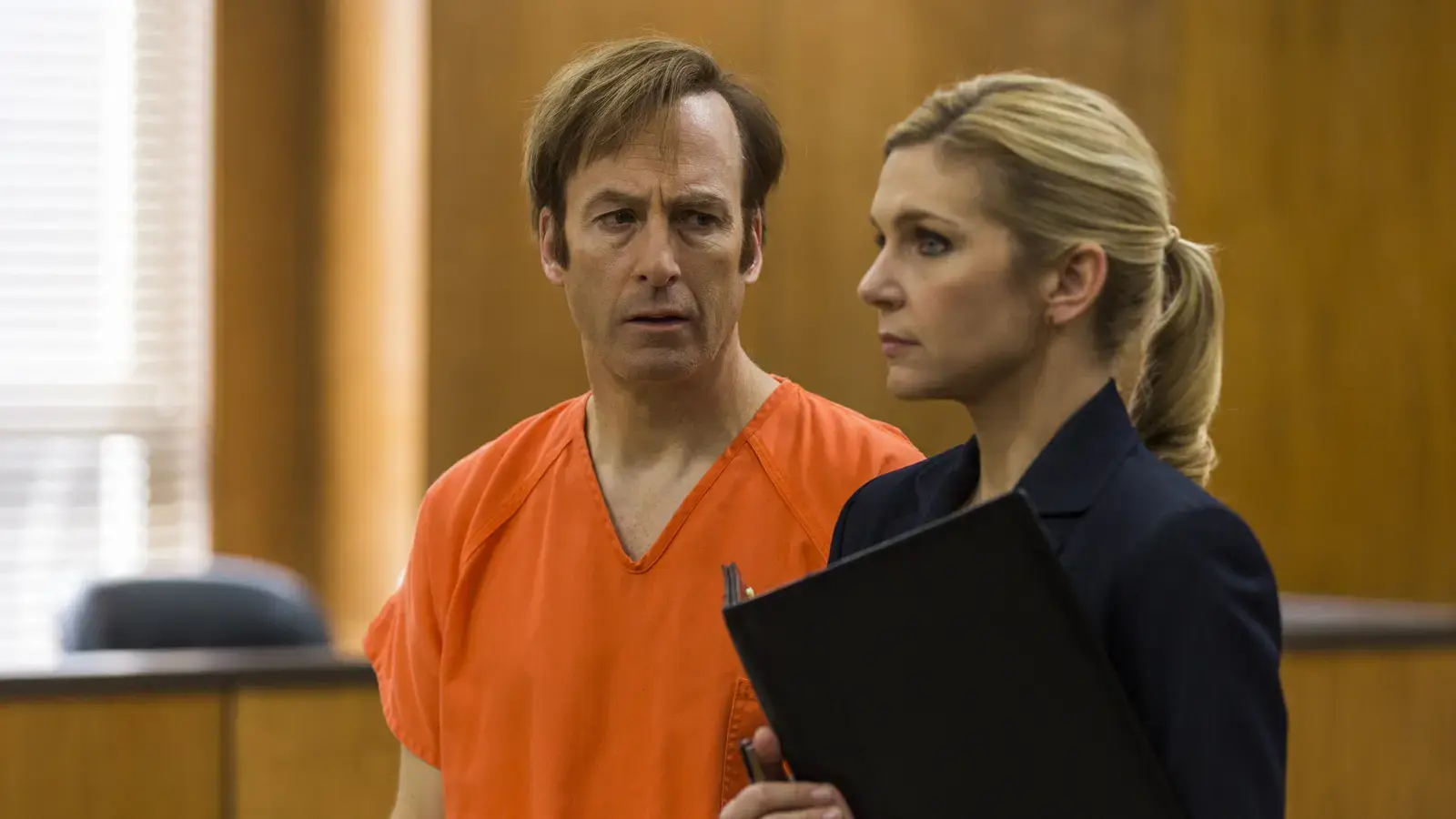 Better Call Saul Star Officially Breaks Emmy Curse With 2026 Win
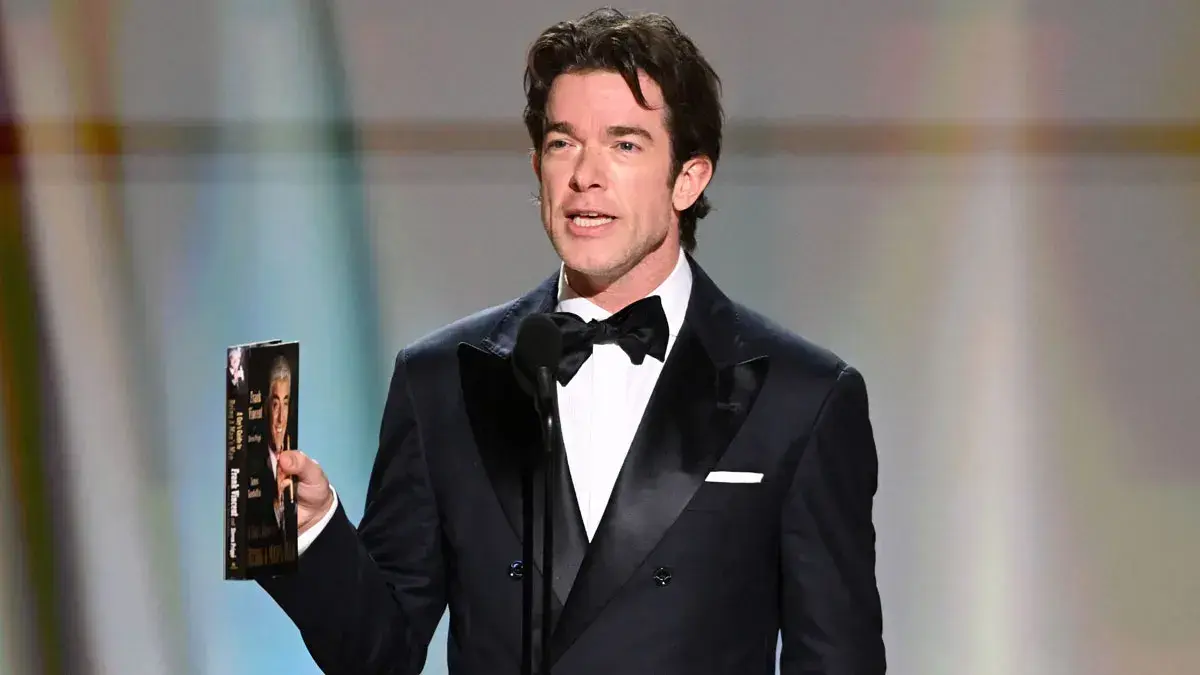
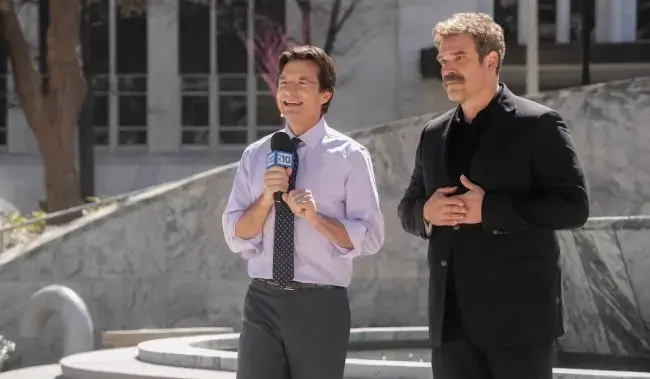 At Monday night's Emmy Awards, Steven Conrad's HBO series 'DTF St. Louis' secured the Outstanding Limited Series award, surpassing other contenders in the category
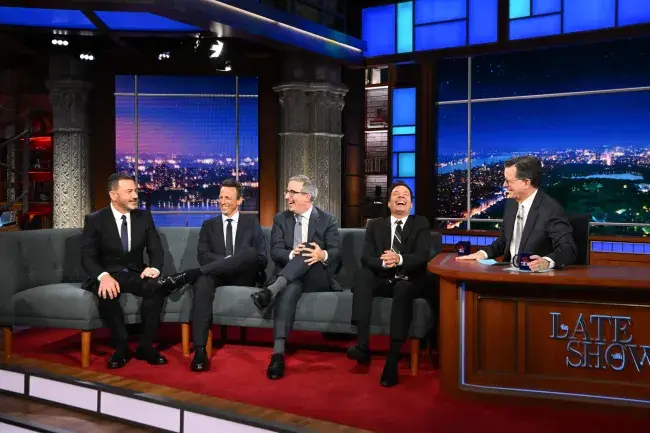
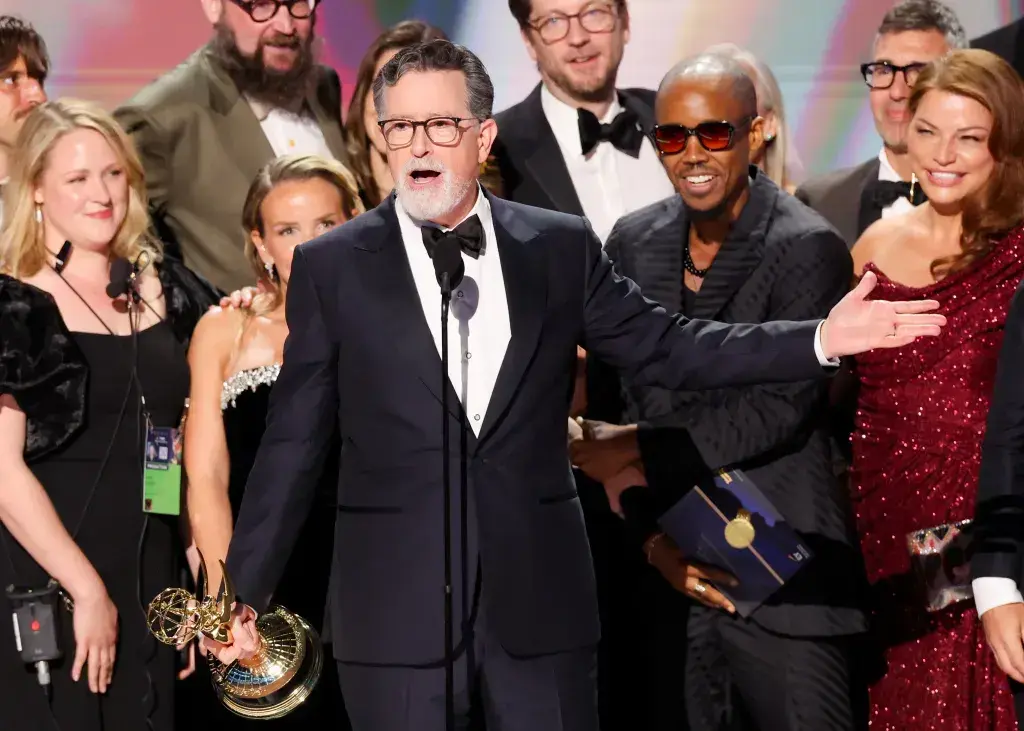 The Late Show With Stephen Colbert Secures Final Emmy Win After Series Finale Honors
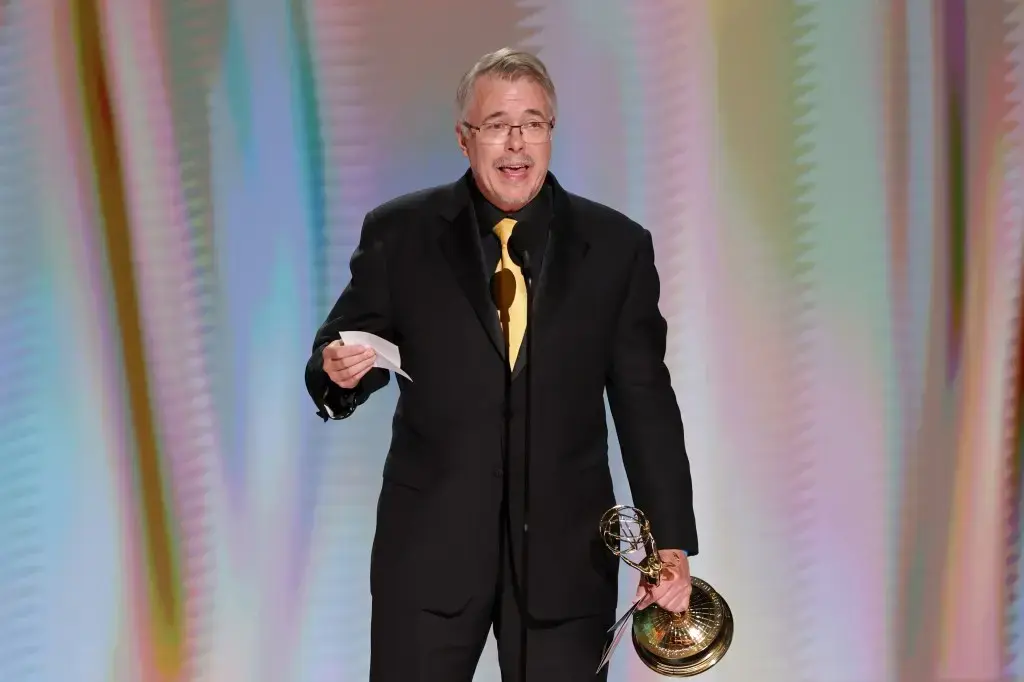 Vince Gilligan Claims First Solo Emmy Award for Pluribus
Its success lies in balancing absurd humor with genuine emotional stakes, creating a viewing experience that feels both inventive and grounded. How the Show Avoids Time Travel Clichés The series sidesteps common pitfalls by rejecting linear storytelling in favor of episodic jumps across wildly different universes, each with its own rules and aesthetic. From noir detective dimensions to pastel-colored cartoon realms, the show uses these shifts not just for spectacle but to reflect the protagonists' evolving understanding of choice and consequence. This structure prevents narrative fatigue and keeps viewers guessing what bizarre world will appear next. Why Audiences Are Responding to Its R-Rated Edge By embracing an R-rating, the show gains freedom to explore mature themes like regret, identity, and existential dread through dark comedy and visceral imagery. This tonal boldness allows for moments of genuine shock and pathos that would feel sanitized in a more restrictive format.
Critics have noted that the maturity isn't gratuitous but serves the story
Critics have noted that the maturity isn't gratuitous but serves the story, deepening character motivations in ways lighter franchises often avoid. Can This Model Work for Other Genres? The show's success raises questions about whether its formula—prioritizing creative risk over franchise consistency—could be replicated elsewhere. While traditional franchises rely on familiarity to retain audiences, this series proves that viewers will embrace unpredictability when it's paired with strong character development and thematic coherence. Its approach suggests a potential shift in how serialized storytelling might evolve in an era of audience fatigue with reboots and sequels. Frequently Asked Questions Is the show connected to any existing film or television franchise? No, it is an original concept created specifically for HBO, with no ties to pre-existing intellectual properties. Are the surprise cameos from well-known actors?
Yes, several episodes feature unannounced appearances by notable performers from film and television, often playing against type in brief but memorable roles. Will there be a second season? As of now, HBO has not officially renewed the series, though strong viewership and critical reception increase the likelihood of continuation.