Why Are Fans Worried About Repetition?
House of the Dragon Faces Similar Criticism as Fans Question Creative Direction
Culture picks
 Josh Brolin Comments on Thanos vs Doctor Doom Matchup in Upcoming Avengers Films
 Cyberpunk: Edgerunners 2 Trailer Reveals New Season Ahead of Premiere
 RoboCop Reboot Gains Momentum With Original Creator's Involvement
 Bob Daly steps down as AFI Board Chair After Decade of Leadership
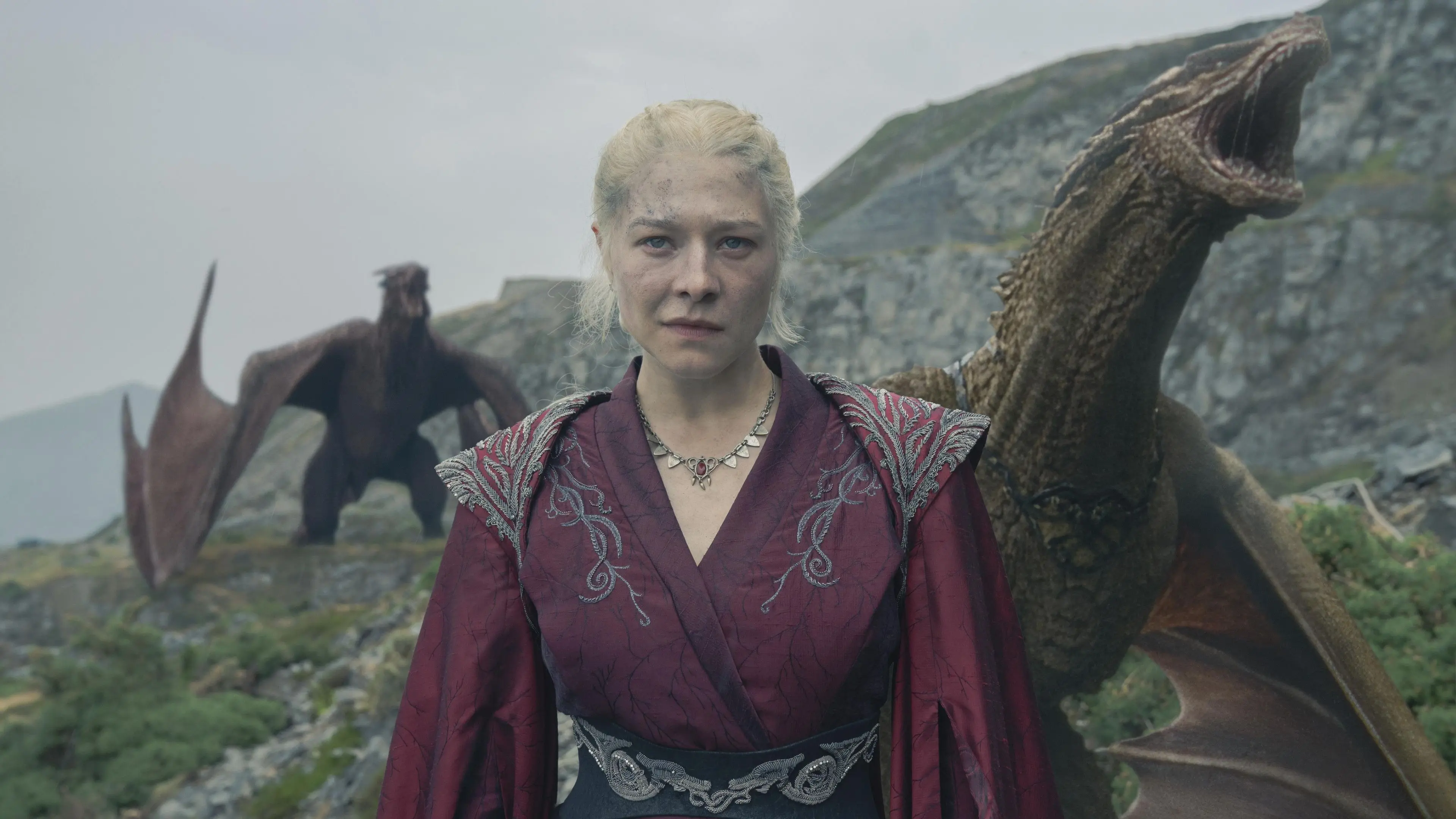
The once-beloved fantasy epic Game of Thrones experienced a sharp decline in critical reception, with its Rotten Tomatoes audience score dropping from 93% to just 55% by the end of its eighth season. This dramatic falloff occurred amid widespread fan backlash over narrative choices, character arcs, and pacing in the show’s final stretch. Now, as House of the Dragon enters its second season, viewers and critics alike are voicing concerns that the prequel may be repeating similar missteps, particularly in how it handles complex storytelling and fan expectations.
The decline of Game of Thrones was not sudden but built over several seasons, with many pointing to the rushed conclusion and deviations from George R. R. Martin’s source material as key factors. Audiences felt betrayed by abrupt character transformations and unresolved plotlines, leading to a loss of trust in the show’s creative team. House of the Dragon, while praised for its production values and stronger adherence to source material in its first season, has begun to draw comparisons as certain narrative decisions in early episodes of season two have sparked debate over pacing and thematic focus.
Can House of the Dragon Avoid the Same Fate?
Critics argue that House of the Dragon risks falling into the same trap by prioritizing spectacle over substance, especially in episodes that emphasize political maneuvering at the expense of emotional depth. Some viewers have noted that certain character motivations feel underdeveloped, echoing complaints from Game of Thrones’ later seasons. Showrunners have defended their approach, stating they are committed to a deliberate, politically intricate narrative that reflects the complexity of Martin’s Fire & Blood. Still, the shadow of the original series’ ending looms large, with fans urging the team to learn from past missteps.
Early indicators suggest a divided response, with season two holding a stronger critic score than Game of Thrones’ finale but still facing audience skepticism. The show’s ability to balance intricate plotting with satisfying character resolutions will be crucial in determining its long-term reception. Unlike its predecessor, House of the Dragon benefits from a clearer endpoint and closer collaboration with Martin’s estate, which may help maintain narrative coherence. However, unless the series addresses concerns about pacing and emotional payoff, it could face a similar erosion of goodwill despite its strong start.
Frequently Asked Questions
Why did Game of Thrones’ audience score drop so sharply? The decline stemmed from fan dissatisfaction with the final season’s rushed pacing, questionable character decisions, and perceived departure from the show’s earlier quality.
Is House of the Dragon following the same creative path as Game of Thrones? While the prequel has maintained stronger ties to source material, some viewers worry it may repeat issues with pacing and character development seen in the later seasons of the original show.
What can House of the Dragon do to avoid a similar decline? Focusing on consistent character arcs, avoiding rushed conclusions, and maintaining emotional engagement alongside political intrigue could help preserve audience trust and critical approval.