Defining Power Beyond Traditional Metrics
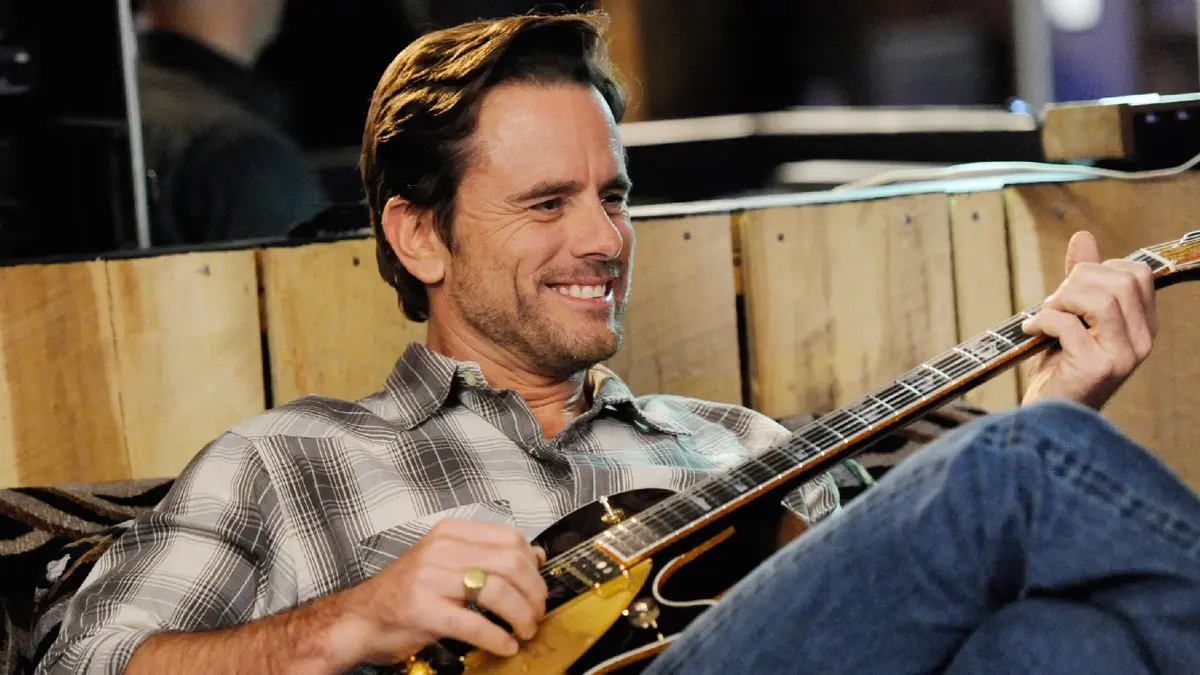
The new Star Wars project introduces Yord Fandar, played by Charlie Barnett. He appears alongside Jecki Lon, portrayed by Dafne Keen. Lee Jung-jae also stars as Sol. These characters wield their weapons in shadowy settings. The visual style emphasizes the contrast between light and dark. This approach distinguishes the show from previous entries. The narrative focuses on the raw power of the Jedi order. It explores how strength manifests beyond traditional metrics.
Culture picks
 The Favorite Drama Leaves Netflix After Just One Year
 Emma Stone Stars in Yorgos Lanthimos' Sci-Fi Adaptation of Beloved Novel
 Disney's Star Wars Series Breaks Records
 Vultures Wins Grand Jury Prize at HollyShorts Film Festival
The hierarchy of the strongest Jedi has remained relatively static for years. Disney’s acquisition of the franchise did not immediately alter this list. However, recent productions are challenging established rankings. The new series suggests that power is not just about combat skill. It involves spiritual connection and resilience. Yord Fandar represents a new archetype in this lineage. His character development offers fresh insights into Jedi capabilities. Jecki Lon brings a youthful perspective to the narrative. Her journey reflects the evolving nature of the Force. Sol adds a layer of complexity to the group dynamic. Together, they form a trio that redefines what it means to be strong.
The production team focused heavily on atmospheric lighting. Scenes often take place in near-total darkness. This choice forces viewers to rely on sound and emotion. It mirrors the internal struggle of the characters. The use of shadows serves a dual purpose. It hides physical weaknesses while highlighting emotional truths. This technique creates a unique viewing experience. It sets the tone for the entire series.
Does This Change the Hierarchy?
The introduction of these characters sparks debate among fans. Some argue that their power levels exceed previous benchmarks. Others believe the narrative context matters more than raw ability. The show does not provide explicit measurements of Force sensitivity. Instead, it demonstrates impact through story progression. Yord Fandar’s actions drive key plot points. Jecki Lon’s growth challenges existing norms. Sol’s presence stabilizes the group’s energy. These elements combine to suggest a shift in the power structure. The series implies that modern Jedi possess different strengths. They may not match ancient masters in brute force. However, they excel in adaptability and wisdom. This nuanced view appeals to long-time followers. It also attracts new audiences seeking fresh stories.
The implications for future Star Wars media are significant. Writers now have new templates for character creation. Producers can explore darker, more introspective themes. The success of this approach could influence upcoming films. It may lead to a broader reevaluation of canonical power scales. Fans should expect continued exploration of these ideas. The franchise remains committed to expanding its universe. Each new entry adds layers to the mythology. The focus on individual strength within a group setting proves effective. It balances action with character study. This balance ensures lasting appeal. The series stands as a testament to creative evolution. It pushes boundaries while respecting tradition. Future projects will likely build on this foundation. The legacy of these characters will endure. They represent a new era in Star Wars storytelling.
Frequently Asked Questions
Who plays Yord Fandar in the new series? Charlie Barnett portrays Yord Fandar in the production. His performance anchors the central narrative arc. The character serves as a primary viewpoint for the audience.
What distinguishes Jecki Lon from other Jedi? Jecki Lon, played by Dafne Keen, offers a youthful perspective. Her journey highlights the learning curve of mastering the Force. She contrasts with older, more experienced characters in the cast.
How does the series define Jedi power? The show defines power through spiritual connection and resilience. It moves away from simple combat metrics. Emotional truth and adaptability become key indicators of strength.