Marketing Moves That Fueled the Controversy
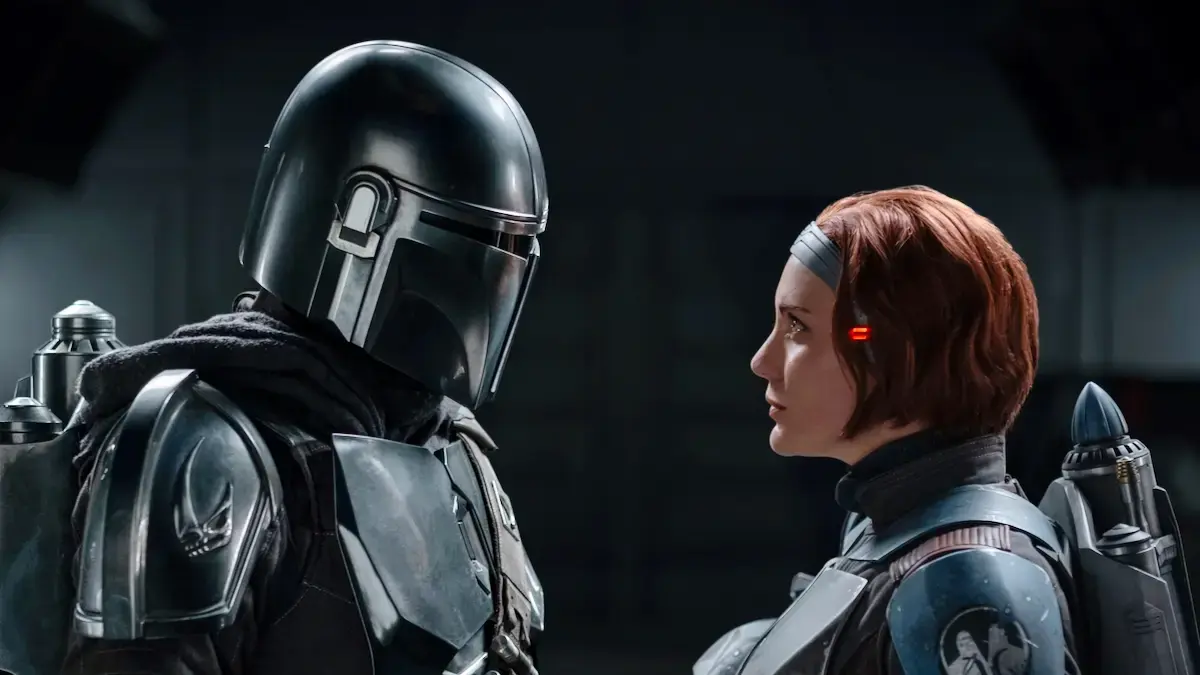
On June 4, 2026, journalist Jonathan Wright published a piece arguing that describing the Star Wars franchise as a „girl brand” is both inaccurate and sexist. The article sparked a heated discussion among fans, marketers, and cultural commentators about gendered branding in popular media.
Culture picks
 The Vampire Diaries: Most Rewarding Character Journeys
 Netflix Officially Ends Shadow and Bone Franchise After Cancellation
 The Documentary About Elizabeth Holmes That Failed to Find Its Audience
 Nicolas Cage Returns as Spider-Noir in HBO Series
Wright’s column points to recent Disney‑Lucasfilm campaigns that feature pastel‑colored merchandise, scented candles, and plush toys aimed at younger audiences. Critics say these moves are being mischaracterized as a shift toward a female‑only market, while supporters argue they simply broaden the franchise’s appeal. The debate touches on how large franchises balance commercial goals with inclusive storytelling.
Disney’s 2025 „Galaxy Home” line introduced scented candles scented after iconic planets. The products sold out quickly, prompting social media users to claim the franchise was „selling out to a niche market.” The company defended the line as a „collectible experience” for all fans, regardless of gender.
Is the „Girl Brand” Narrative Undermining Gender Equality in Fandom?
Industry analyst Maya Patel noted that expanding merchandise categories is a standard revenue strategy for blockbuster franchises. „Star Wars has always diversified its product range,” she said. „Targeting families doesn’t equate to abandoning its core audience.” However, the visual language of the new items—soft hues and floral motifs—led some observers to label the effort as „feminine,” fueling the gendered narrative.
The phrase „girl brand” raises concerns about reinforcing stereotypes that associate science‑fiction with masculinity. Gender studies scholar Dr. Luis Ortega argues that such labeling can marginalize women who already feel underrepresented in the fan community. „When a franchise is framed as male‑oriented, it discourages female participation,” he explained.
Conversely, some fans appreciate the inclusive tone. Long‑time follower Aisha Khan praised the new merchandise for offering „more relatable entry points for younger girls.” She added that representation matters, and seeing a beloved universe reflected in everyday items can inspire future creators. The clash of perspectives underscores a broader cultural tension: how to expand a brand without alienating any segment of its audience.
The fallout from the debate may influence Disney’s future marketing decisions. Executives reportedly convened a task force to review gendered messaging, aiming to avoid unintended bias while still tapping new demographics. If the franchise successfully navigates this balance, it could set a precedent for other media giants seeking to diversify their fan base without sparking backlash.
Frequently Asked Questions
Why did some fans label Star Wars as a „girl brand”? The label emerged after Disney released pastel‑themed merchandise, such as scented candles and plush toys, which some perceived as targeting a female audience.
Does expanding merchandise to include „feminine” designs harm the franchise? Not necessarily. While it can provoke accusations of gender bias, broader product lines can attract new fans and generate revenue, provided the core storytelling remains inclusive.
What steps is Disney taking to address the controversy? Disney has formed an internal review group to assess its branding strategy, aiming to ensure future campaigns avoid gendered stereotypes while still appealing to diverse audiences.