Industry analysts note this has lowered perceived risks for studios considering
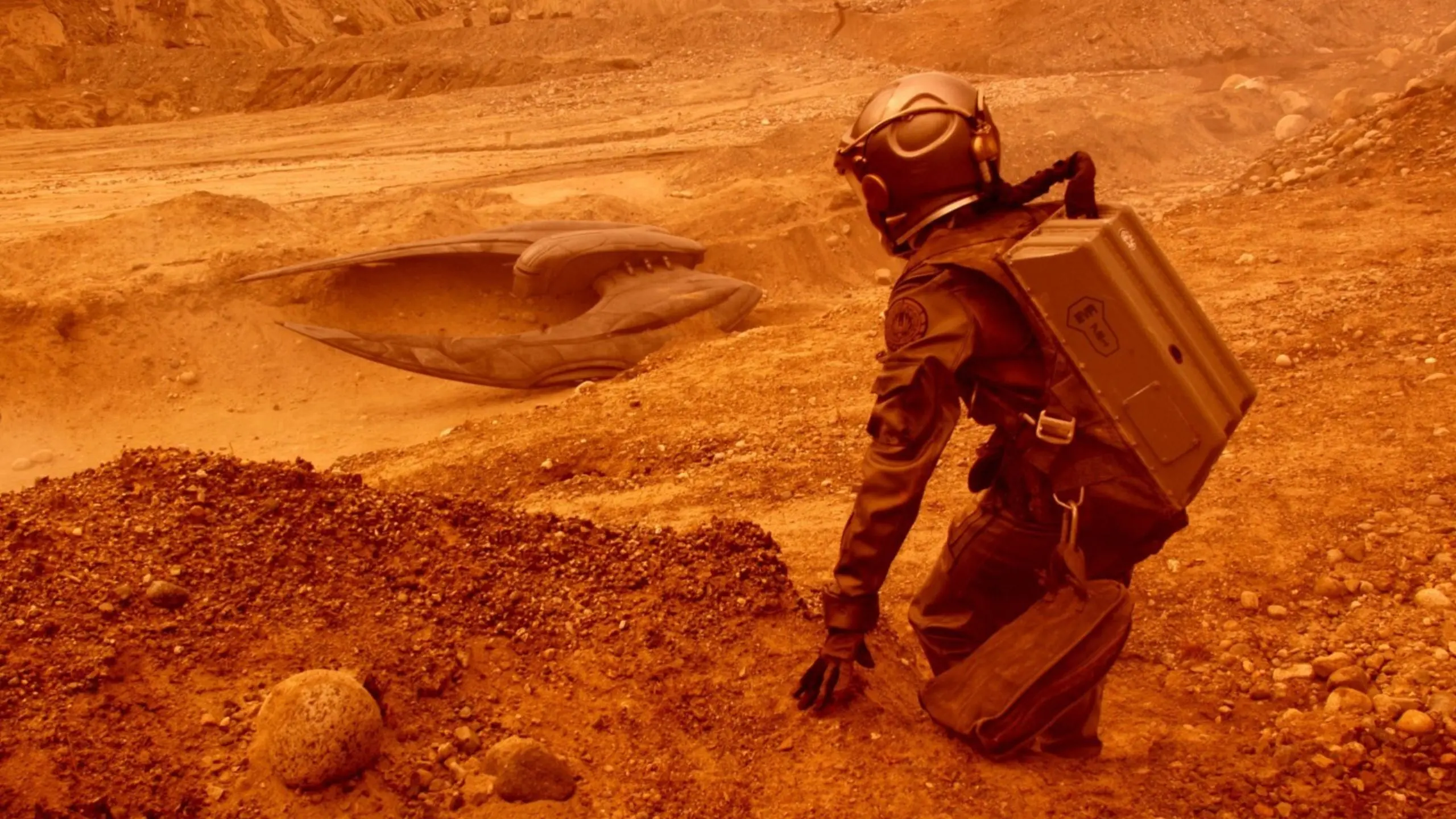
The long-term success of the Battlestar Galactica reboot has proven that reimagining classic sci-fi franchises can resonate strongly with modern audiences, encouraging studios to revisit other beloved space operas from the 1990s. This trend reflects growing confidence in updated storytelling that honors original themes while addressing contemporary tastes. The original Battlestar Galactica series, which aired in the late 1970s, gained renewed acclaim through its 2004 reboot, praised for its complex characters, political depth, and realistic portrayal of human survival. Its critical and audience success demonstrated that legacy sci-fi properties can thrive when reworked with modern production values and narrative sophistication.
Culture picks
 Marvel Studios Announces New Series Set to Follow Avengers: Age of Ultron
 Want to Fight Book Bans? Here’s How to Take Meaningful Action All Year Long
 Dexter: Resurrection Season 2 Set to Return with Krysten Ritter’s Enthusiastic Support
 Nine Actors Who Brought Wednesday Addams to Life, Ranked
Industry analysts note this has lowered perceived risks for studios considering similar revivals. Why 90s Space Operas Are Prime Candidates Space operas from the 1990s, such as Babylon 5 and Star Trek: Deep Space Nine, cultivated dedicated fanbases through intricate world-building and serialized storytelling—elements now highly valued in today’s streaming era. These shows often explored philosophical questions, cultural conflict, and long-term arc planning, aligning with current viewer preferences for substantive content. Streaming platforms actively seek properties with built-in audiences and expansion potential, making these titles attractive for revival. Studios are particularly drawn to the rich lore and unresolved narrative threads present in many 90s sci-fi series, which offer fertile ground for new seasons or reimagined storylines.
The ability to leverage modern visual effects also allows for enhanced
The ability to leverage modern visual effects also allows for enhanced depiction of space battles and alien worlds, updating the viewing experience without losing core identity. Could a Babylon 5 Revival Match Galactica’s Impact? A potential reboot of Babylon 5, created by J. Michael Straczynski, could follow a similar path to Battlestar Galactica by maintaining the original creator’s involvement while updating pacing and visual style. Straczynski has previously expressed interest in revisiting the universe, noting that streaming formats allow for the five-act structure he originally envisioned. Early fan campaigns and social media activity suggest sustained interest in such a project. Industry observers believe a successful revival would depend on balancing nostalgia with innovation, ensuring new viewers can engage without prior knowledge while rewarding long-time fans with meaningful callbacks.
Casting, writing consistency, and platform support would be critical factors in determining outcome. Frequently Asked Questions What made the Battlestar Galactica reboot a benchmark for future revivals? Its success stemmed from strong writing, moral complexity, and high production quality, proving that reimagined sci-fi could achieve both critical acclaim and lasting cultural relevance beyond nostalgia. Why are 1990s space operas being reconsidered now? These shows featured serialized narratives and thematic depth that align with current streaming audience preferences, and their existing fanbases reduce financial risk for platforms investing in revivals. Is creator involvement essential for a successful sci-fi reboot? While not mandatory, having the original creator involved—like J. Michael Straczynski for Babylon 5—often helps preserve narrative integrity and reassures fans about faithful yet evolved storytelling.