
Why the Animated Form Still Matters
Aang has re-entered the Avatar State in a powerful new image released by Nickelodeon, signaling a renewed push to restore the franchise’s reputation following the widely criticized Netflix live-action adaptation. The image, shared by writer and critic Annie Banks on September 19, 2026, shows Aang surrounded by swirling winds as he taps into the Avatar State, a visual reminder of the series’ spiritual and elemental core. Banks, a Rotten Tomatoes–approved critic and CBR editor specializing in anime and superheroes, highlighted the return as a deliberate effort to reconnect fans with the original animated series’ strengths. The release comes amid ongoing fan frustration over the 2024 Netflix version, which faced backlash for its casting, pacing, and departure from the source material’s tone and depth.
Culture picks
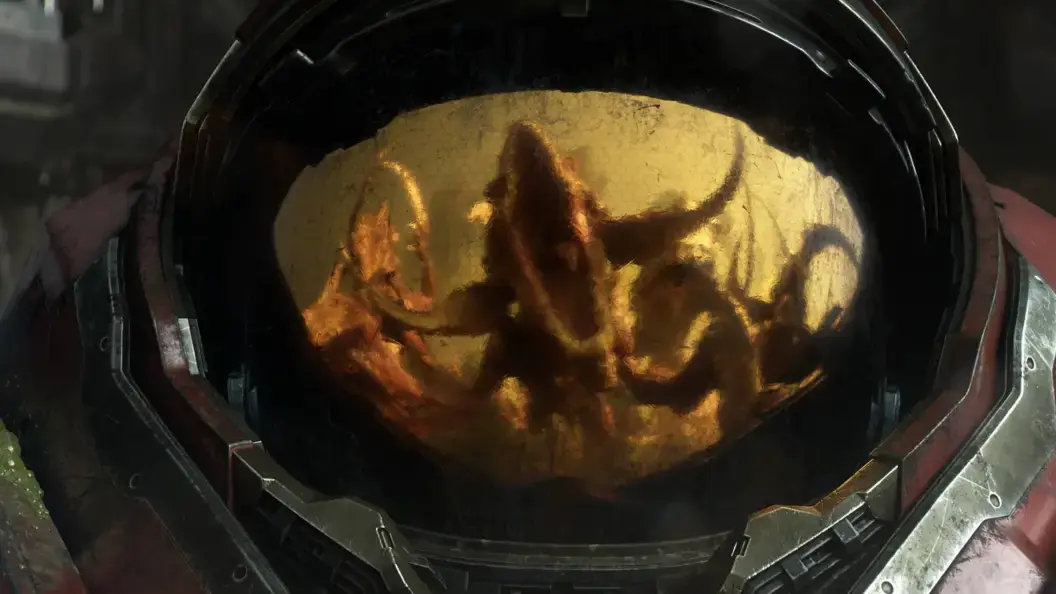 StarCraft Reboot Shifts to Open-World Third-Person Action in 2030
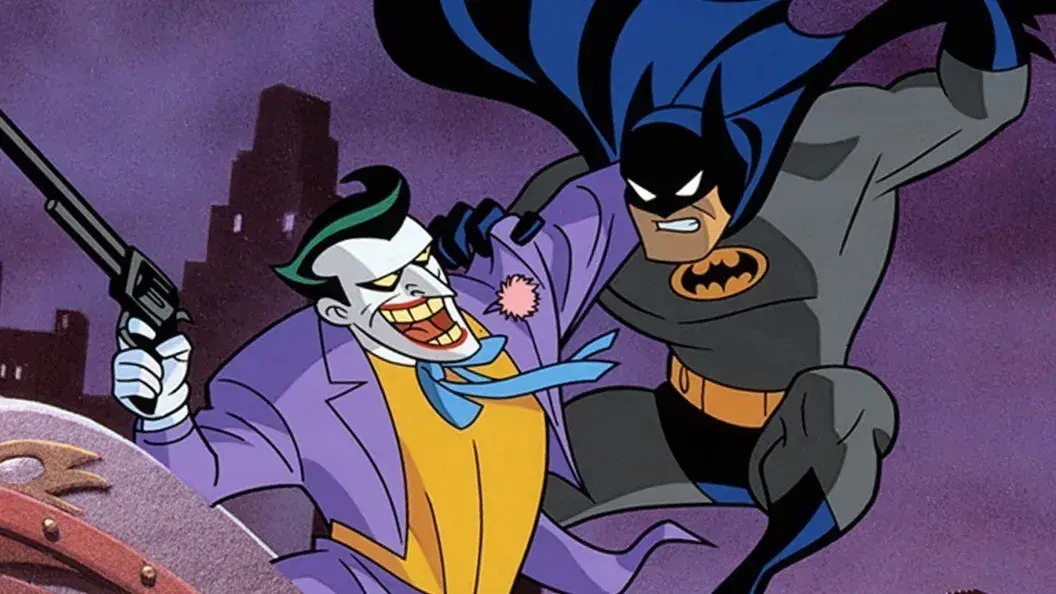 39 Years Since a Cartoon Sparked an Animation Revolution
 Naomi Watts Honors David Lynch with Donostia Award at San Sebastian Film Festival
 Melissa Barrera Comments on Macklemore Receiving Support After Ed Sheeran Tour Cancellation
The renewed focus on the animated legacy reflects a broader strategy by Paramount Global, Nickelodeon’s parent company, to leverage the enduring popularity of the original 2005–2008 series amid a crowded streaming landscape. While the live-action attempt aimed to introduce Avatar to new audiences, it instead intensified calls for a return to the animated format that earned critical acclaim, a Peabody Award, and a devoted global fanbase. Banks noted that the image serves not just as promotional material but as a symbolic reclamation of the show’s identity—emphasizing balance, spirituality, and masterful storytelling. Industry observers suggest this move may precede new animated projects, including potential sequels or spin-offs, though no official announcements have been made.
Can Animation Rebuild Trust After Live-Action Failure?
The original Avatar: The Last Airbender succeeded where its live-action counterpart faltered by embracing complex themes like war, genocide, and personal growth through a lens accessible to all ages. Its blend of Eastern philosophies, martial arts-inspired bending, and character-driven narratives created a rare cultural touchstone. Unlike the Netflix version, which condensed three seasons into eight episodes and altered key character arcs, the animated series allowed time for emotional depth and world-building. Fans and critics alike have pointed to the show’s nuanced portrayal of Aang’s reluctance to embrace his role as Avatar as a strength lost in the adaptation. The recent image, showing Aang fully immersed in the Avatar State with wind whipping around him, evokes the series’ most iconic moments—visual metaphors for inner harmony and cosmic responsibility.
Rebuilding trust will require more than nostalgic imagery; it demands consistent quality and respect for the source material. Paramount has remained quiet about future plans, but the timing of this release—coinciding with renewed discussions about the franchise’s legacy—suggests a test of audience sentiment. Social media reactions to the image have been overwhelmingly positive, with many users expressing relief that the focus is returning to what made Avatar special. However, skeptics caution that without concrete projects, such gestures risk appearing as mere damage control. The challenge lies in translating goodwill into tangible content that honors the series’ depth while evolving its themes for contemporary audiences. Until then, the image stands as both a tribute and a promise.
What caused the backlash against the Netflix live-action Avatar: The Last Airbender? Critics and fans criticized the adaptation for its rushed pacing, significant changes to character personalities and storylines, and casting choices that many felt did not align with the original series’ cultural inspirations, leading to widespread disappointment despite high anticipation.
Frequently Asked Questions
Is there confirmation of new animated Avatar content in development? As of now, Paramount Global and Nickelodeon have not announced any new animated projects related to Avatar: The Last Airbender, though the recent release of promotional imagery has fueled speculation about potential future ventures.
How does the original animated series differ from the live-action version in tone? The animated series balanced action, humor, and deep philosophical themes with consistent character growth over three seasons, while the live-action version compressed the narrative, altered key arcs, and shifted toward a darker, less nuanced tone that many felt undermined the source material’s spirit.