The Weight of Mutant Mortality
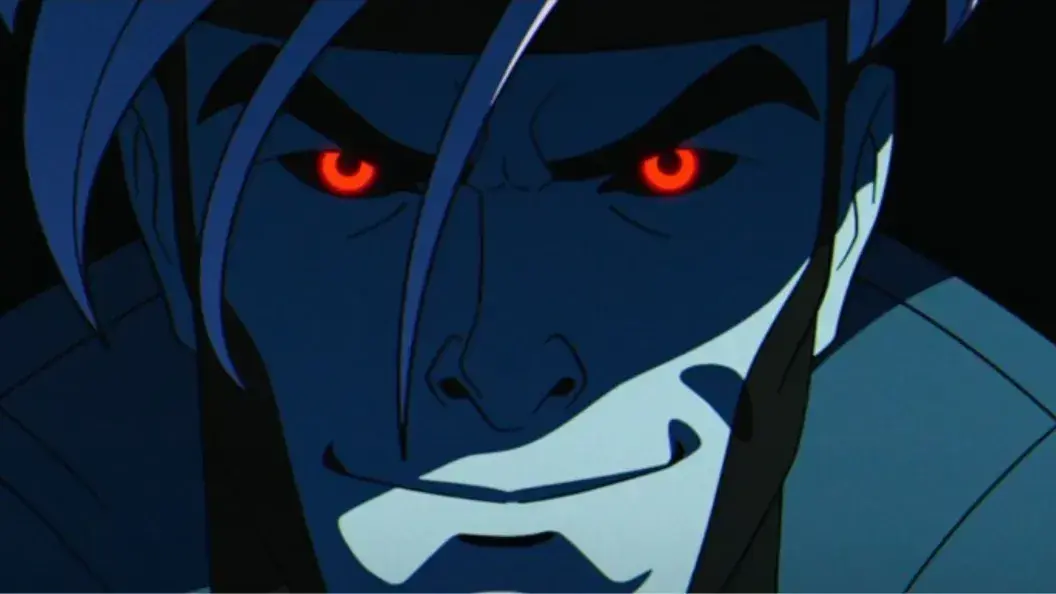
The latest season of X-Men ’97 has delivered a devastating blow to its fan base with a major character death. Following the harrowing genocide on Genosha that claimed Gambit, the series has pushed boundaries once again. This bold narrative choice marks the most significant loss in the show’s history, leaving viewers stunned by the unexpected development.
Culture picks
 Crew Girl Soundtrack Features Tina Turner and Soulwax Tracks
 Drake Unveils Teaser for Upcoming Project Titled Fear of Missing Out
 The Devil Wears Prada Lands on Netflix
 HBO’s Nine‑Hour Watchmen Saga Redefines the Superhero Narrative
The revival of the classic animated series has proven far darker than its predecessor. While the original show focused on Saturday morning heroics, this iteration explores complex themes of mortality and grief. The writers are clearly unafraid to dismantle the status quo, proving that no hero is safe in this high-stakes environment.
The loss of such a prominent figure highlights the show's commitment to mature storytelling. By focusing on the emotional fallout of these tragedies, the series elevates itself beyond standard superhero fare. Fans are now left to grapple with the reality that the X-Men are vulnerable to permanent, life-altering consequences.
Is This Truly the End for the Hero?
The production team has carefully built a world where every action carries weight. The destruction of Genosha served as a catalyst for this shift, forcing the remaining mutants to confront their own fragility. This narrative trajectory suggests that the show will continue to prioritize high-stakes drama over traditional comic book tropes.
Despite the definitive nature of the scene, speculation regarding the character's survival is rampant. Comic book history is filled with resurrections, and the show’s sci-fi elements leave room for potential returns. Whether this death is a permanent departure or a temporary plot device remains the central mystery for the audience.
Frequently Asked Questions
The writers have successfully maintained a sense of uncertainty that keeps viewers engaged. If the character is indeed gone, the series must now navigate a future defined by absence. However, if a return is planned, it will need to be handled with extreme care to preserve the emotional impact of the current storyline.
Why is this death considered so significant? It represents the most impactful loss in the show's history, fundamentally changing the team dynamic. The narrative weight of the event surpasses previous conflicts, signaling a permanent shift in the series' tone.
Could the character return in future episodes? While the show has established a dark and realistic tone, the genre often allows for resurrections. Whether the writers choose to bring the hero back depends on their long-term vision for the story's emotional arc.