The Architecture of Digital Anxiety
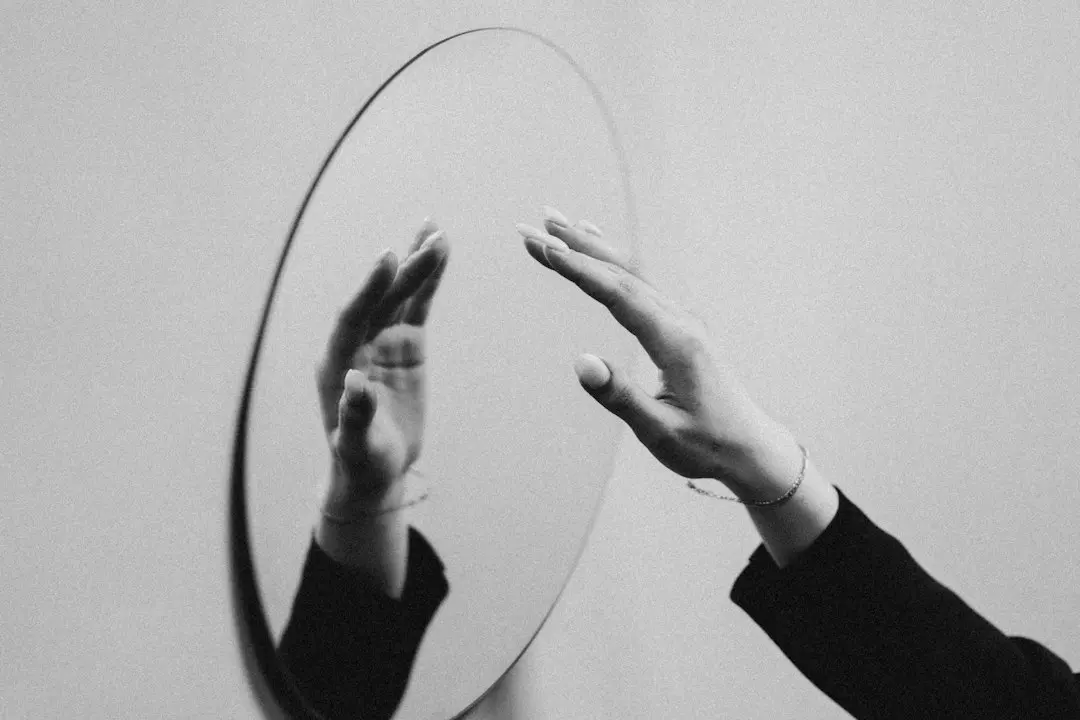
Netflix’s acclaimed anthology series, Black Mirror, continues to captivate global audiences with its unsettling vision of the near future. Spanning 34 episodes, the show remains a cultural touchstone for its ability to mirror societal anxieties. Even its least celebrated installments frequently outperform the highest-rated offerings of competing television productions today.
Culture picks
 Acclaimed Fantasy Epic Returns to Prime Video in Two Weeks
 5 Horror Books That Are Far More Disturbing Than Their Film Adaptations
 Project Hail Mary positions itself as a serious Oscar contender
 Chix On Netflix: Can You Guess The Spooky Star?
The series thrives by blending psychological horror with speculative technology. It forces viewers to confront the dark side of digital integration and corporate overreach. While traditional horror films rely on jump scares, this show crafts a lingering dread. It transforms familiar modern conveniences into instruments of profound human suffering.
Contemporary hits like The Last of Us and Severance have recently brought dystopian themes back into the mainstream spotlight. However, Black Mirror established the blueprint for this specific brand of technological paranoia long ago. By grounding its narratives in recognizable human flaws, the show makes its futuristic scenarios feel disturbingly inevitable.
Is Our Reality Becoming a Black Mirror Episode?
Each standalone episode functions as a self-contained cautionary tale. The writing consistently challenges the audience to consider the ethical cost of progress. It is this unwavering commitment to bleak, thought-provoking storytelling that keeps the series at the top of the streaming charts. Fans remain deeply invested in the show's unique perspective.
The show’s enduring success stems from its uncanny ability to predict the trajectory of our digital lives. As artificial intelligence and social media influence grow, the line between fiction and reality blurs. Viewers often find themselves questioning their own reliance on the very tools the show depicts as dangerous.
Frequently Asked Questions
The series shows no signs of losing its edge or its capacity to disturb. As long as humanity continues to innovate without considering the moral implications, the show will have plenty of material. It serves as a persistent reminder that the most terrifying monsters are the ones we create ourselves.
What makes the series so effective at scaring viewers? The show focuses on psychological dread rather than traditional horror tropes. It highlights how everyday technology can be weaponized to destroy human connections and personal autonomy.
Why do people continue to watch such dark content? Audiences are drawn to the show's intellectual depth and its accurate reflections of modern society. It provides a platform to explore complex fears about the future in a controlled, narrative environment.