Why These Series Still Matter Today
In 2026, anime fans have a unique opportunity to revisit or discover standout series from the 2000s that defined a golden era of Japanese animation. These shows, ranging from psychological thrillers to coming-of-age stories, continue to resonate due to their innovative storytelling and lasting cultural impact. With streaming platforms now offering restored versions and subtitles in multiple languages, accessibility has never been better. Whether you're a longtime enthusiast or new to the medium, this selection offers something meaningful for every viewer.
Culture picks
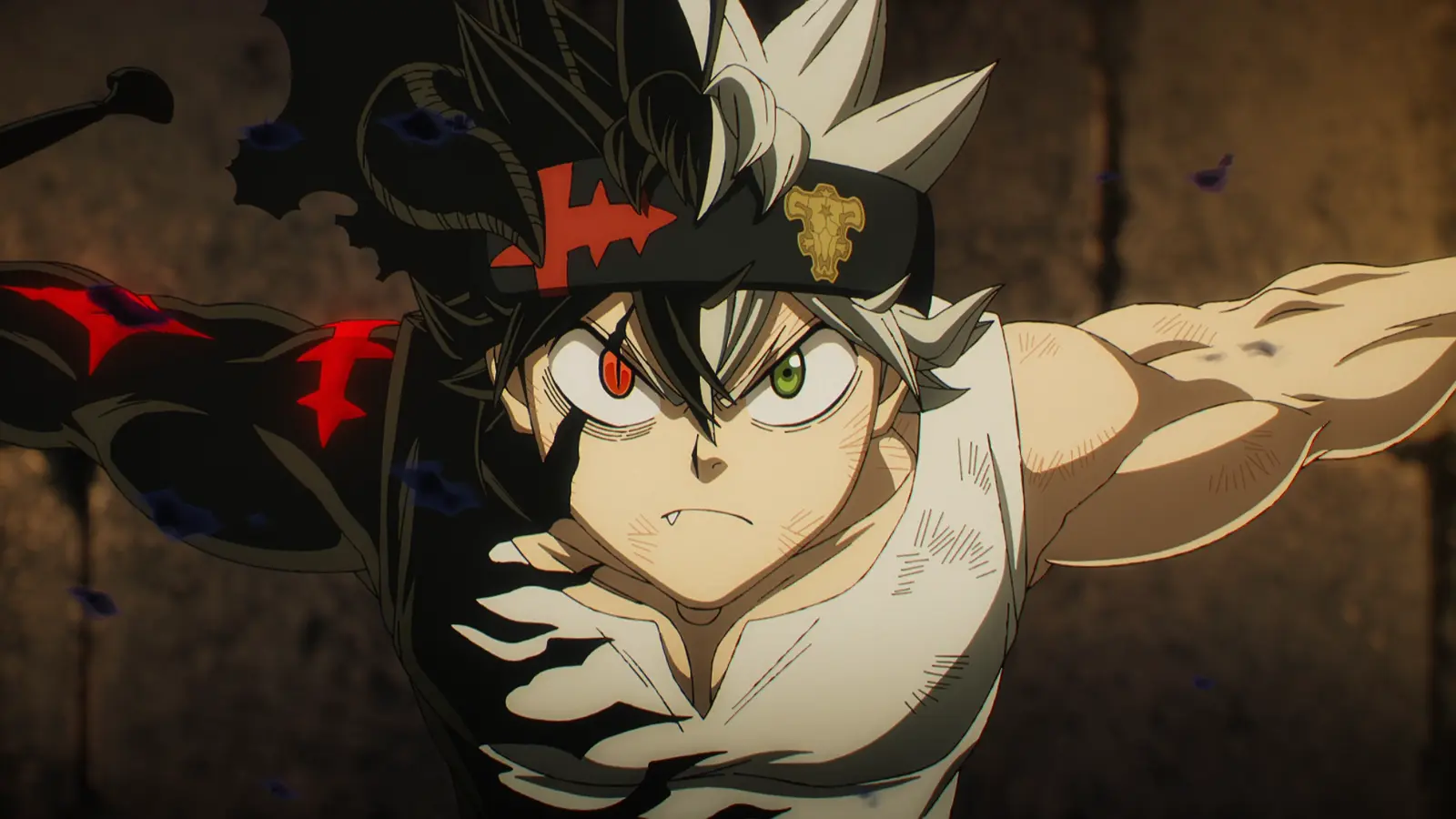 Black Clover Returns With Strong Start to Season 2
 X‑Files Reaches Peak With Near‑Perfect Three‑Part Thriller
 Dakota Johnson and Turnstile to Appear on Saturday Night Live This Weekend
 DC Batman Sequel Faces Further Delays Amid Franchise Expansion
The early 2000s marked a turning point in anime, where creators began experimenting with complex narratives and mature themes. Series like Paranoia Agent, directed by Satoshi Kon, used surrealism to explore societal anxiety in post-bubble Japan. Others, such as Fullmetal Alchemist: Brotherhood, balanced intense action with deep philosophical questions about sacrifice and identity. These works were not only technically impressive but also emotionally authentic, often reflecting real-world concerns through metaphor and symbolism. Their influence can still be seen in contemporary anime, making them essential viewing for understanding the medium’s evolution.
How Streaming Has Changed Access to Classic Anime
What makes these 2000s anime endure is their ability to transcend time through universal human experiences. Shows like Haibane Renmei and Mushishi offer quiet, contemplative stories that encourage reflection, while titles such as Ghost in the Shell: Stand Alone Complex tackle issues of technology and consciousness that feel increasingly relevant. Critics and scholars have noted how these series anticipated modern discussions about digital identity, alienation, and ethical responsibility in science. Their pacing, though slower than many modern productions, allows for deeper character development and world-building. This deliberate approach rewards patient viewers with insights that linger long after the final episode.
The rise of global streaming services has played a crucial role in reintroducing these classics to new audiences. Platforms now offer high-definition remasters, accurate translations, and curated collections that highlight thematic connections between titles. Unlike the early 2000s, when fans relied on DVD imports or fan subs, today’s viewers can explore these works with ease and context. Bonus features such as director interviews and production notes further enrich the experience. This renewed accessibility has sparked fresh academic interest and fan discussions online, proving that these stories continue to inspire dialogue across generations.
What Can Viewers Expect from Revisiting These Works?
Revisiting these anime in 2026 offers more than nostalgia—it provides a chance to engage with art that challenged conventions and expanded the boundaries of animated storytelling. Many viewers report discovering new layers of meaning upon second viewing, especially when informed by years of personal growth or societal change. Educators have begun incorporating titles like Monster and Ergo Proxy into courses on ethics, literature, and media studies due to their narrative depth. As animation continues to evolve with new technologies, these foundational works remind us of the power of story, vision, and emotional truth in shaping cultural memory.
Are these series appropriate for all ages? While some titles like Mushishi and Haibane Renmei are suitable for younger audiences, others such as Paranoia Agent and Monster contain mature themes including violence, psychological distress, and complex moral dilemmas. Viewer discretion is advised based on individual sensitivity and age.
Frequently Asked Questions
Do I need to watch them in any particular order? No, each series stands alone and can be enjoyed independently. However, watching them in chronological release order may offer insight into how animation styles and storytelling trends evolved throughout the decade.
Where can I legally stream these anime in 2026? Major platforms including Crunchyroll, Netflix, and Hulu currently host most of these titles, with availability varying by region. Checking local catalogs or using anime-specific databases like AniList or MyAnimeList can help confirm access.