Why Rundgren’s Critique Gained Attention
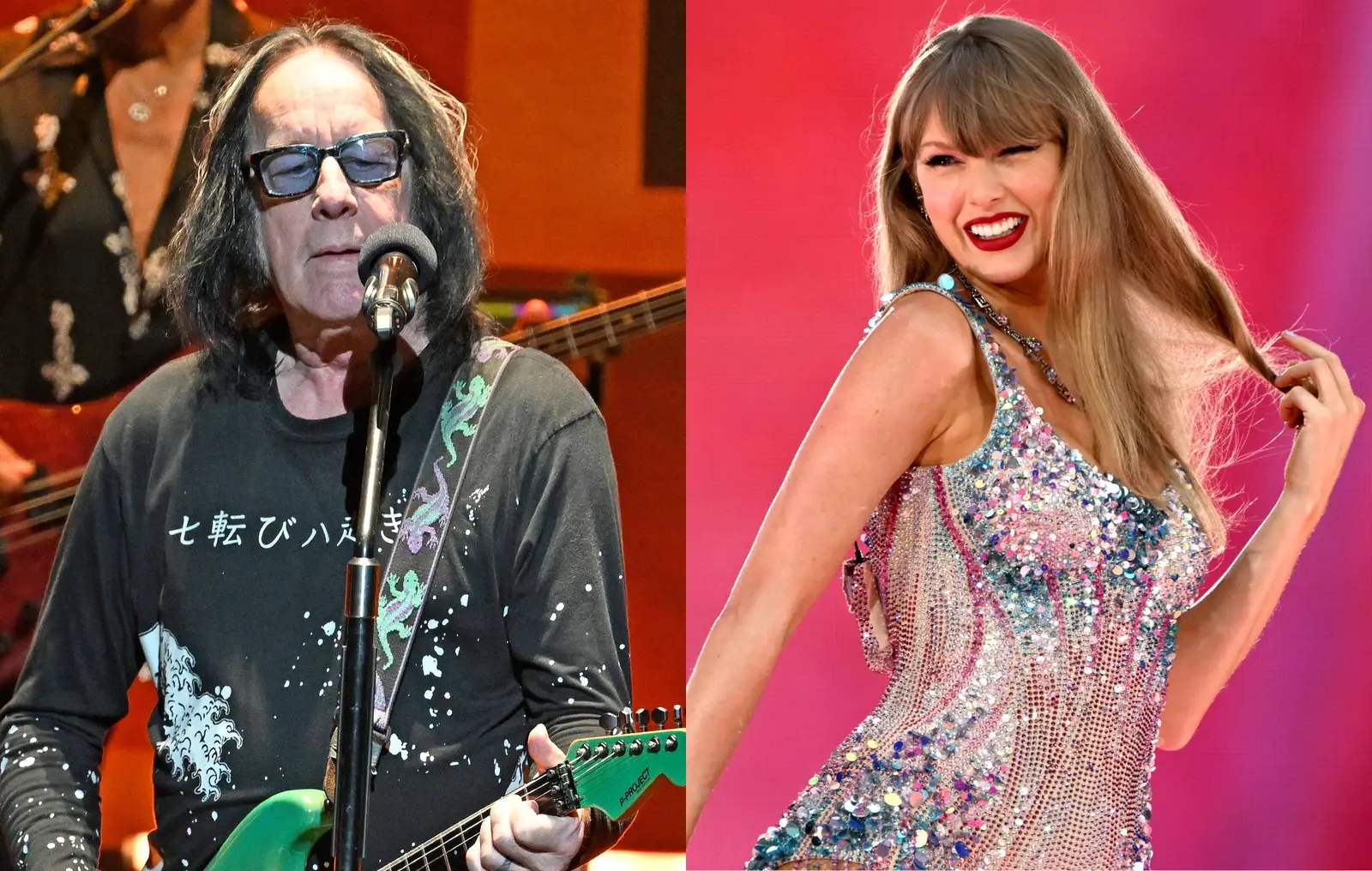
In a controversial interview on 26 September 2026, legendary musician Todd Rundgren accused pop star Taylor Swift of damaging the music industry. The statement, made during a live radio segment in Los Angeles, sparked immediate backlash from fans and industry insiders alike.
Culture picks
 The Musical Heritage of the New Sense and Sensibility Adaptation
 James Gray Debuts Intimate Crime Thriller Paper Tiger at New York Film Festival
 Colman Domingo Is the Perfect Choice for Norman Osborn in the MCU
 Zack Snyder’s New Alice in Wonderland Faces Production Hurdles
Rundgren, known for his work with the band Utopia and solo projects, said Swift „is not a great singer, not a great songwriter, not a great dancer.” He added that she has „ruined music” and called her the „apotheosis of mediocrity.” The remarks were recorded by a local radio station and later shared on social media, where they quickly went viral.
# How Do Fans Respond?
Rundgren’s comments struck a chord because he is a respected figure in music production and songwriting. His criticism challenges the prevailing narrative that Swift’s commercial success reflects artistic merit. Rundgren cited her reliance on formulaic pop structures and a perceived lack of depth in lyrical content. He also pointed to her extensive use of social media marketing as a distraction from genuine musical talent. The interview aired during a period of heightened scrutiny over the influence of streaming platforms and algorithmic promotion on contemporary music.
Industry analysts noted that Rundgren’s remarks could reignite debates about authenticity versus commercial appeal. Some argue that Swift’s chart dominance demonstrates a new form of artistry, while others see her success as symptomatic of a homogenized pop landscape. Rundgren’s critique adds a seasoned perspective, suggesting that the industry’s focus on mass appeal may erode creative standards.
What Could This Mean for the Music Industry?
Fans of Swift responded swiftly, defending her songwriting and vocal abilities. Online forums and social media threads showcased examples of her introspective lyrics and vocal range, countering Rundgren’s blanket statements. Many pointed out her evolution from country roots to a more mature pop sound, citing albums such as „Red” and „Folklore” as evidence of depth. The backlash highlighted a generational divide: older listeners often favor technical skill, while younger audiences prioritize relatability and cultural impact.
The fallout from Rundgren’s comments may influence how artists are evaluated by critics and audiences. Record labels might reassess the balance between artistic development and marketability. Streaming services could face pressure to promote diversity in musical styles rather than favoring high‑profile, formulaic releases. For artists, the debate underscores the importance of authenticity and innovation in sustaining long‑term relevance.
Frequently Asked Questions
In the immediate aftermath, several music blogs and podcasts have scheduled follow‑up discussions featuring other veteran musicians. The conversation is likely to continue, shaping public perception of what constitutes quality music in the streaming era.
Q: Has Todd Rundgren made similar statements about other artists? A: Rundgren has previously criticized mainstream pop acts for prioritizing commercial success over artistic integrity, but this is the first time he singled out Taylor Swift with such strong language.