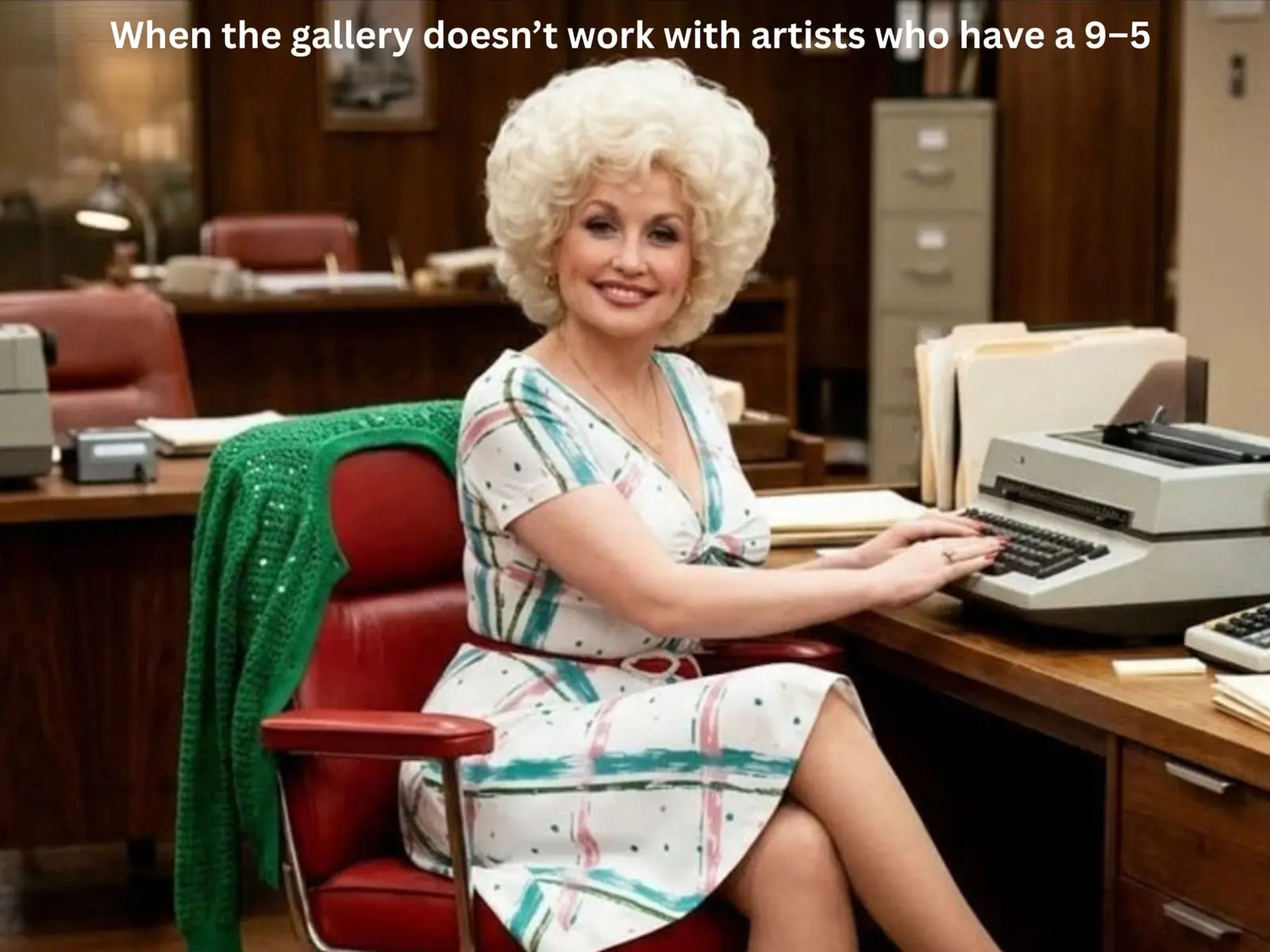
The Myth of the Starving Creator
Many creative individuals struggle with the internal and social conflict of balancing traditional employment with their artistic pursuits. This tension often leads to feelings of inadequacy, as society frequently questions whether holding a standard nine-to-five job disqualifies someone from being considered a realartist. The debate highlights a persistent cultural bias.
Culture picks
 Leif Erickson Shared Screen With Ingrid Bergman in Classic Historical Drama
 Joel Kinnaman's Top Five Television Roles, Ranked
 A Hidden Gem in the Post-Apocalyptic Genre That Demands Your Attention
 Marvel Cancels Daredevil: Born Again After Season Two Wraps
The stigma suggests that true art requires total devotion, implying that a steady paycheck somehow dilutes creative authenticity. However, this perspective ignores the reality that most artists have historically relied on secondary income to support their practices. Modern economic pressures have only made this balance more essential for survival.
The romanticized image of the struggling artist often serves as a barrier to professional stability. Critics argue that if an artist is not fully dependent on their work for income, they lack commitment. Yet, this mindset overlooks the practical necessity of funding supplies, studio space, and basic living expenses.
Is Financial Independence a Requirement for Artistry?
Many professionals argue that a day job provides the freedom to create without the pressure of commercial viability. When an artist does not rely on their craft to pay rent, they often have more autonomy over their creative choices. This separation can actually foster more experimental and authentic artistic output.
The question of legitimacy remains a source of anxiety for many. If a plumber fixes pipes on weekends, they are still considered a professional plumber. Why should the same logic not apply to painters, writers, or musicians who work during the week? The definition of an artist should focus on output rather than employment status.
Ultimately, clinging to the idea that art must be a full-time pursuit limits the diversity of the creative community. By validating the dual-career path, society can support a broader range of voices. Artists who maintain day jobs are not failures; they are practical professionals building sustainable careers in a difficult market.
Frequently Asked Questions
Does having a full-time job make someone less of an artist? No. An artist’s identity is defined by their creative work and vision, not by the source of their primary income.
Why is there a stigma against artists with day jobs? Cultural myths often equate artistic purity with poverty. This outdated perspective fails to account for the high costs of living and professional materials.
Can a day job actually benefit an artist? Yes, it can provide financial stability and creative freedom. Without the need to monetize every piece of work, artists may feel more empowered to take risks.