
How the Musical Overlap Was Discovered During Production
Stella Lefty’s chart-topping single „Boston” has reached number two on the Billboard Hot 100, driven by a melody she discovered was unintentionally similar to Noah Kahan’s „Stick Season.” In a recent interview with Vanity Fair, Lefty explained that the resemblance was not deliberate and that she chose to grant Kahan a retroactive writing credit after recognizing the overlap during production. She emphasized her commitment to artistic integrity and transparency in the creative process.
Culture picks
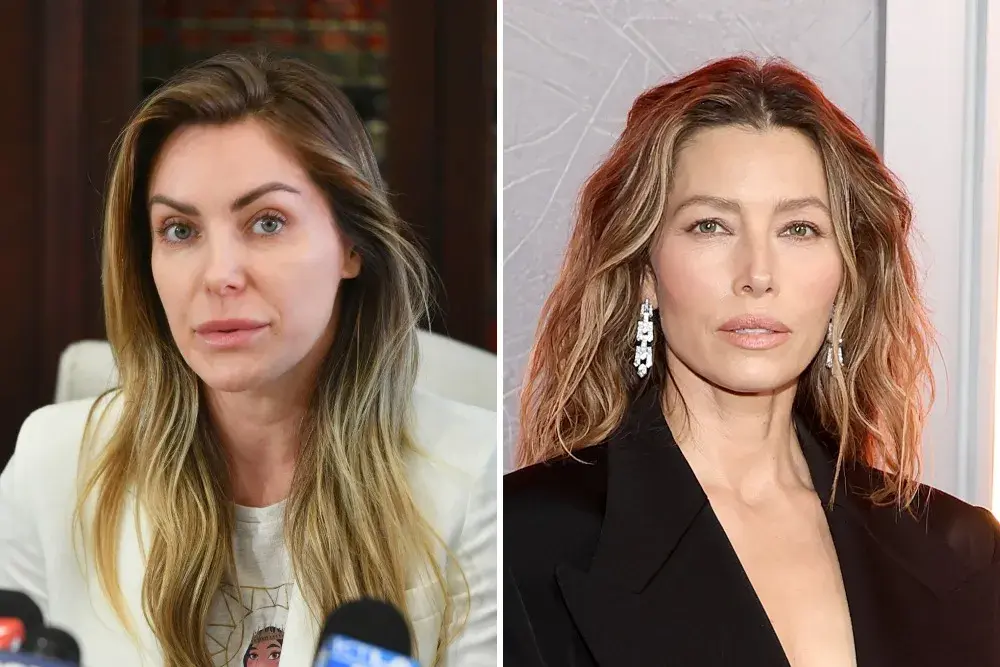 Crystal Harris Urges Jessica Biel to Decline Role as Hugh Hefner’s Wife
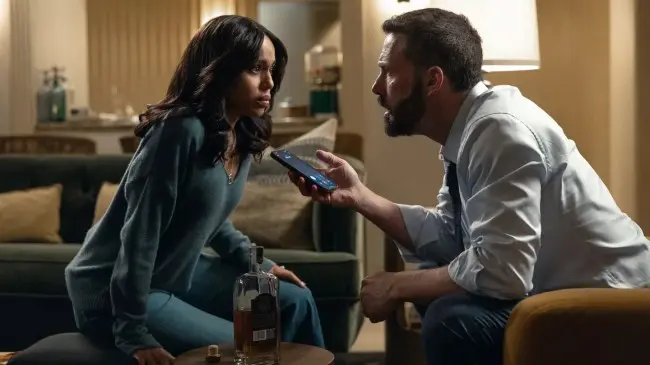 Ben Affleck Struggles in Netflix’s Latest Crime Thriller Animals
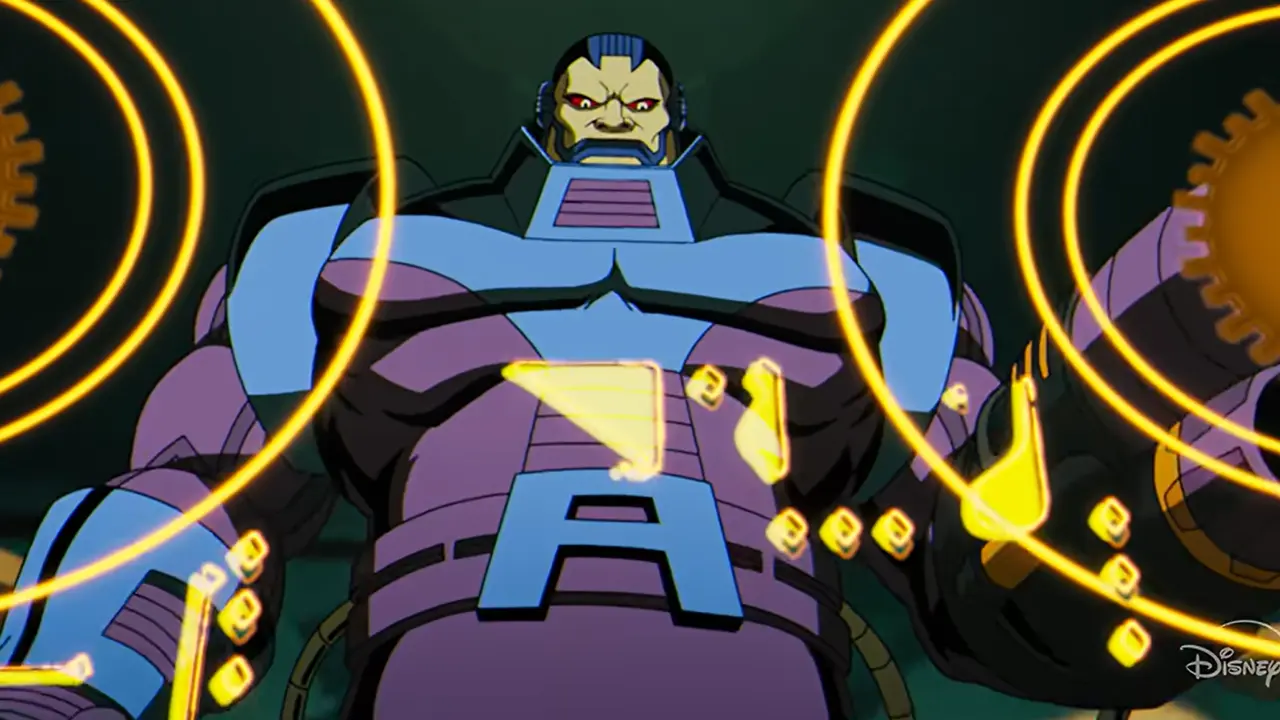 X‑Men '97 Returns with Deadpool and She‑Hulk in Season 3
 Dungeon Crawler Carl Expands at New York Comic Con with New Plushies and Figures
The singer-songwriter described how the hook for „Boston” emerged organically while she was working on the track in the studio, only later realizing it mirrored a phrase from Kahan’s 2022 folk-pop hit. Rather than contest the similarity, Lefty reached out to Kahan’s team to discuss proper acknowledgment. She said the decision to add his name to the credits came after mutual conversation and respect for his original work. Lefty noted that she had been a fan of Kahan’s music before the overlap occurred and wanted to handle the situation ethically.
Why Did She Choose to Give Retroactive Credit?
Lefty revealed that she first noticed the melodic resemblance while listening back to a rough mix of „Boston” with her producers. The similarity struck her as too close to ignore, especially in the chorus where both songs use a rising melodic pattern. She said she immediately paused playback and compared the two tracks side by side. After confirming the overlap, she contacted Kahan’s representatives to initiate a conversation about credit. The process, she said, was collaborative and free of conflict.
When asked why she didn’t simply keep the melody as is, Lefty stressed that honesty in songwriting matters more than chart position. She explained that giving Kahan credit was not a legal requirement but a moral one, rooted in respect for fellow artists. Lefty added that she hopes her actions encourage others in the industry to prioritize transparency when unintentional similarities arise. She also mentioned that Kahan responded positively and expressed appreciation for her approach.
Was the similarity between „Boston” and „Stick Season” intentional? No, Stella Lefty stated clearly in her interview that the melodic overlap was unintentional and discovered only during later stages of production.
Frequently Asked Questions
Did Noah Kahan receive compensation for the writing credit? While specific financial details were not disclosed, Lefty confirmed that Kahan was given a retroactive writing credit, which typically includes royalties and publishing rights moving forward.
Will this affect future collaborations between the two artists? Lefty expressed openness to future creative exchanges with Kahan, noting that their conversation was respectful and left the door open for potential artistic dialogue.