What Songwriters Are Requesting This Round
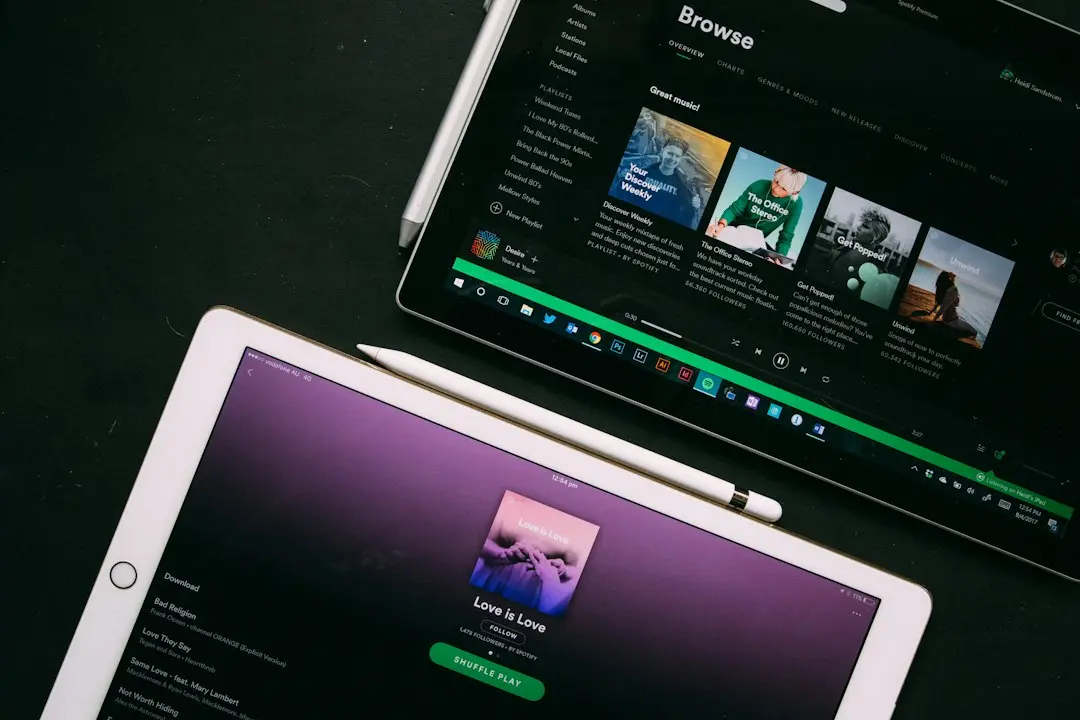
Streaming services, music publishers and songwriters are submitting proposals to the Copyright Royalty Board for the next five-year songwriter royalty rate, known as Phono V. The ongoing proceeding determines how much composers earn from interactive streams on platforms like Spotify and Apple Music, with filings due this month shaping payouts from 2023 to 2027.
Culture picks
 New Shonen Jump Manga Fixes Long‑Standing Genre Flaw
 Clayface: DCU’s First R‑Rated Horror Film Set to Shock Gotham
 Prime Video Casts Rising Stars Esther McGregor and Emilio Sakraya as Violet and Xaden in New Romantasy Series
 MAMA Awards 2026 Set to Spotlight K‑Pop Powerhouses in Osaka
The Copyright Royalty Board, a federal panel overseeing statutory licenses, is evaluating conflicting views on fair compensation. Publishers argue current rates undervalue musical works amid streaming’s dominance, while services warn higher fees could strain profitability. Songwriters’ groups cite inflation and declining per-stream earnings, pushing for meaningful increases to sustain careers in a digital-first economy.
How Streaming Services Are Responding
The National Music Publishers Association proposes raising the headline rate to 15.1 percent of revenue, up from the current 10.5 percent, claiming it reflects music’s essential role in streaming value. Meanwhile, the Songwriters Guild of America advocates for a hybrid model combining a higher percentage rate with a minimum per-subscriber fee to protect lesser-known creators. Both groups emphasize that songwriting contributes disproportionately to listener engagement yet receives a shrinking share of industry income.
Spotify and Amazon have jointly countered with a proposal to maintain the existing 10.5 percent rate, arguing that any increase would undermine investments in podcasts and audiobooks. Apple Music, while not filing independently, has signaled alignment with services’ caution about unintended consequences for innovation. Critics note that services’ positions often prioritize subscriber growth over creator sustainability, especially as streaming profits remain elusive for many platforms.
Could This Decision Affect Global Royalty Standards?
While the CRB ruling applies only to U. S. interactive streams, its outcome frequently influences negotiations in other jurisdictions through benchmarking effects. International publishers watch closely, as shifts in American rates can pressure collecting societies abroad to adjust local terms. However, differences in licensing frameworks mean direct replication is unlikely, though indirect pressure on global talks remains significant.
What happens if the parties cannot agree on a rate? The Copyright Royalty Board will issue a binding decision based on the record, setting the rate for all covered services regardless of individual preferences.
Frequently Asked Questions
Why does this proceeding cover five years? The CRB uses five-year terms to provide stability for long-term business planning while allowing periodic reassessment of market conditions and royalty fairness.
Will independent songwriters benefit equally from any rate increase? Yes, the statutory rate applies uniformly to all songwriters whose works are streamed under compulsory licenses, though actual payouts depend on publisher agreements and affiliation with collecting societies.