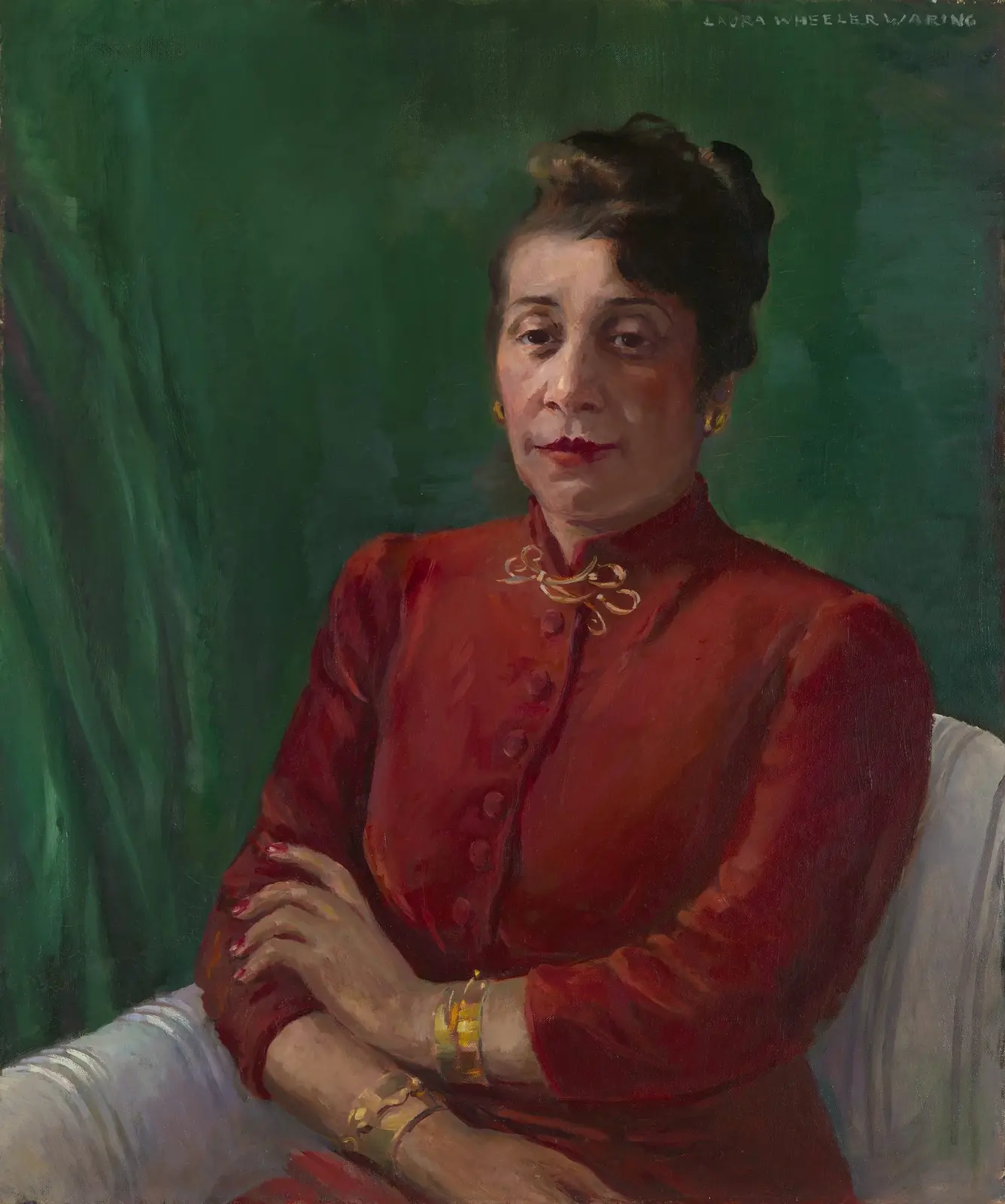
How Does Elderhood Shape Artistic Vision?
Alexis Pauline Gumbs, a poet and scholar known for blending marine life with Black feminist thought, has released an excerpt from her upcoming book focusing on the late painter Alma Thomas. The piece, shared recently, offers a fresh perspective on Thomas’s life and work, particularly her later years as an elder artist. Gumbs, who previously impressed readers with her book Undrowned, brings her signature interdisciplinary lens to Thomas’s legacy, connecting the artist’s vibrant abstractions to deeper ecological and spiritual currents. The excerpt appears alongside reviews of new titles, situating Thomas within a broader conversation about aging, creativity, and cultural memory.
Culture picks
 The X-Files Returns to Pop Culture Spotlight with New Reboot and Director's Cut Release
 Star Trek Kelvin Timeline Returns for New Era
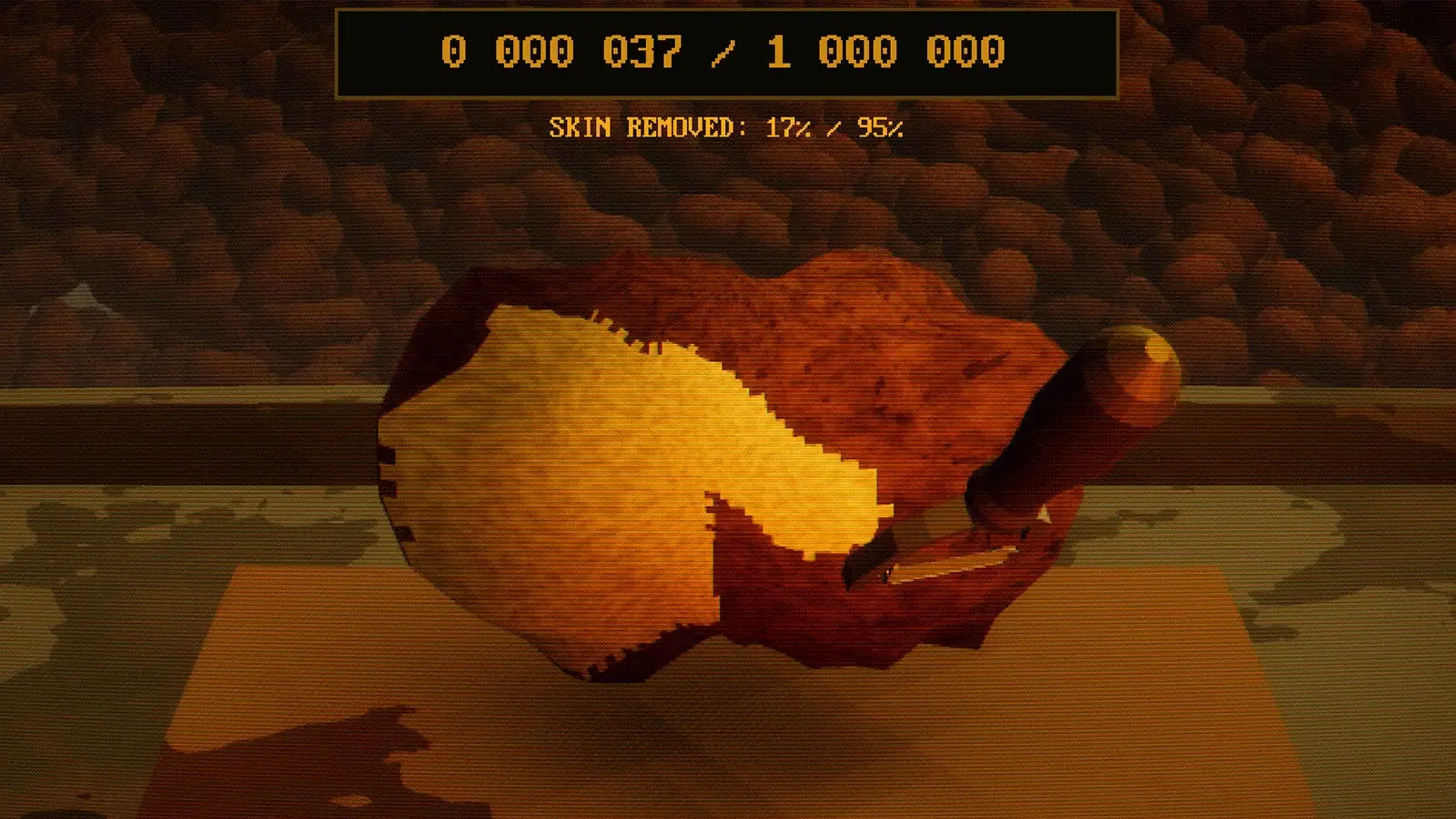 Indie Developer Accuses Rival of Using AI to Clone Viral Potato Peeling Game
 Game of Thrones Star Reveals Hope for New Spinoff Series
Gumbs’s writing in Undrowned revealed her talent for finding unexpected connections—like between dolphin behavior and Black feminist theory—offering readers a new way to see familiar subjects. Now, applying that same approach to Alma Thomas, she explores how the artist’s bold use of color and form in her later paintings might reflect a deep attunement to natural rhythms and ancestral knowledge. Thomas, who began painting seriously in her seventies and became the first Black woman to have a solo exhibition at the Whitney Museum, is often celebrated for her joyful, mosaic-like canvases. Gumbs suggests there is more beneath the surface: a quiet dialogue between Thomas’s art and the living world, one that mirrors the interconnectedness Gumbs has long highlighted in her own work.
What Can We Learn From Thomas’s Quiet Depth?
In her excerpt, Gumbs reflects on Thomas not just as a pioneering artist but as an elder whose creativity flourished late in life, challenging assumptions about when innovation happens. She notes that Thomas’s paintings, often inspired by nature and space, seem to pulse with a vitality that defies age, suggesting that wisdom and artistic risk can grow together over time. This perspective invites readers to reconsider how societies value older creators, especially Black women artists whose contributions are frequently overlooked until late in life—or after. Gumbs’s framing positions Thomas not as an outlier, but as part of a lineage of elders whose art carries both personal and communal healing.
Beyond the bright hues and rhythmic patterns of Thomas’s work, Gumbs points to a contemplative stillness that underlies her compositions—a quality that resonates with the scholar’s own interest in underwater worlds and quiet resistance. She draws a subtle parallel between the way Thomas built her paintings stroke by stroke and the slow, deliberate movements of marine life she admired in Undrowned. This connection, while not explicit in Thomas’s own writings, emerges through Gumbs’s interpretive lens, offering a way to see the artist’s process as meditative and ecologically attuned. The excerpt does not claim to speak for Thomas but instead opens a space for readers to feel the resonance between her art and broader themes of endurance, beauty, and belonging.
Who was Alma Thomas and why is she significant? Alma Thomas was an African American abstract painter who gained prominence later in life, becoming the first Black woman to have a solo exhibition at the Whitney Museum in 1972. Her work is known for its vibrant color, rhythmic patterns, and inspiration from nature and space.
Frequently Asked Questions
What is Alexis Pauline Gumbs known for? Gumbs is a poet, scholar, and author whose work blends Black feminist theory, queer theory, and ecological thought. She gained attention for her book Undrowned, which explores feminist lessons from marine mammals.
How does Gumbs connect Alma Thomas to marine life in her writing? While Thomas did not directly reference marine life, Gumbs interprets her artistic process—marked by patience, repetition, and attunement to natural patterns—as echoing the slow, resonant rhythms found in ocean ecosystems, a theme central to Gumbs’s earlier work.