Shifting the Visual Narrative
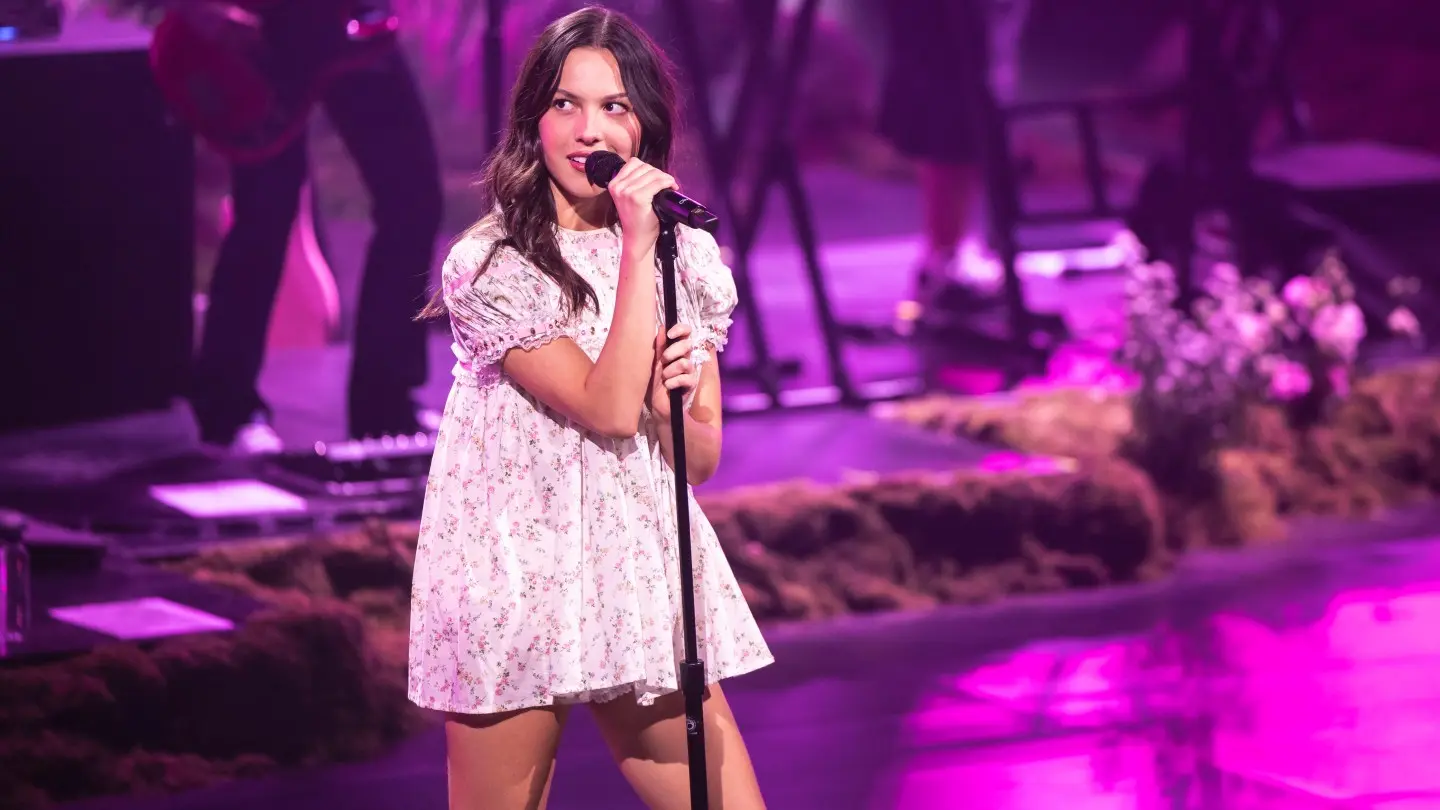
Olivia Rodrigo has announced that her upcoming Daisy Chain Fields music festival will feature a predominantly female photography team. This decision highlights a deliberate effort to shift industry standards for major live events. The initiative aims to create a unified visual narrative for the gathering. It sets a new benchmark for how large-scale concerts document their attendees and performers. The move signals a broader commitment to inclusivity within the music production sector.
Culture picks
 Avatar: Seven Havens Launches on Paramount+—What It Means for Viewers
 Warner Music Sues EssilorLuxottica Over Unlicensed Music Use in Ray‑Ban Ad Campaign
 GENER8ION and Yung Lean’s „Storm II” Breaks Into Billboard Hot 100
 Kacey Musgraves Responds to Political Commentary at Country Music Awards
The festival organizer confirmed that most photographic positions will be filled by women. This strategic choice goes beyond simple representation. It seeks to alter the perspective through which fans experience the event. By controlling who holds the camera, the production team influences the final aesthetic. The goal is to capture the energy of the crowd with a specific, intentional focus. This approach contrasts with traditional festivals that often rely on mixed-gender or male-dominated press pools.
Why Representation Matters in Live Production
The emphasis on female photographers reflects a wider trend in entertainment. Producers are increasingly recognizing how staffing choices shape public perception. When women lead the visual documentation, the resulting images often differ in framing and mood. This creates a distinct identity for the brand. Rodrigo’s team views this as a core component of the festival’s ethos. It aligns with the artist’s reputation for authenticity and community connection. The decision ensures that the visual archive of the event feels cohesive. It prevents the fragmented look that can result from disjointed media teams.
Critics argue that behind-the-scenes roles are just as vital as stage performances. The photographer’s viewpoint dictates what fans see on social media. It shapes the lasting memory of the night. By prioritizing female talent, the festival supports professional growth in the field. It provides high-profile opportunities for established and emerging artists alike. This move challenges long-standing norms in event management. It demonstrates that logistical decisions can carry cultural weight. The strategy turns a technical aspect of production into a statement of intent.
The impact of this choice extends beyond the single event. It may encourage other organizers to adopt similar hiring practices. Fans and industry professionals are watching closely for results. The success of this model could redefine future festival standards. If the visual output resonates with audiences, it validates the approach. This creates a positive feedback loop for diversity in media. The festival stands as a test case for inclusive production values. It shows that unity can be engineered through thoughtful staffing. The outcome will influence how future major tours handle their press and photo operations.
Frequently Asked Questions
Who is leading the photography initiative? The festival production team is overseeing the selection process. They are actively recruiting female photographers to cover the main stages. This ensures a consistent visual style throughout the event.
Will all photos be taken by women? The majority of the primary photography roles will be held by female professionals. However, some auxiliary or secondary coverage may involve mixed teams. The core visual identity will remain under female direction.