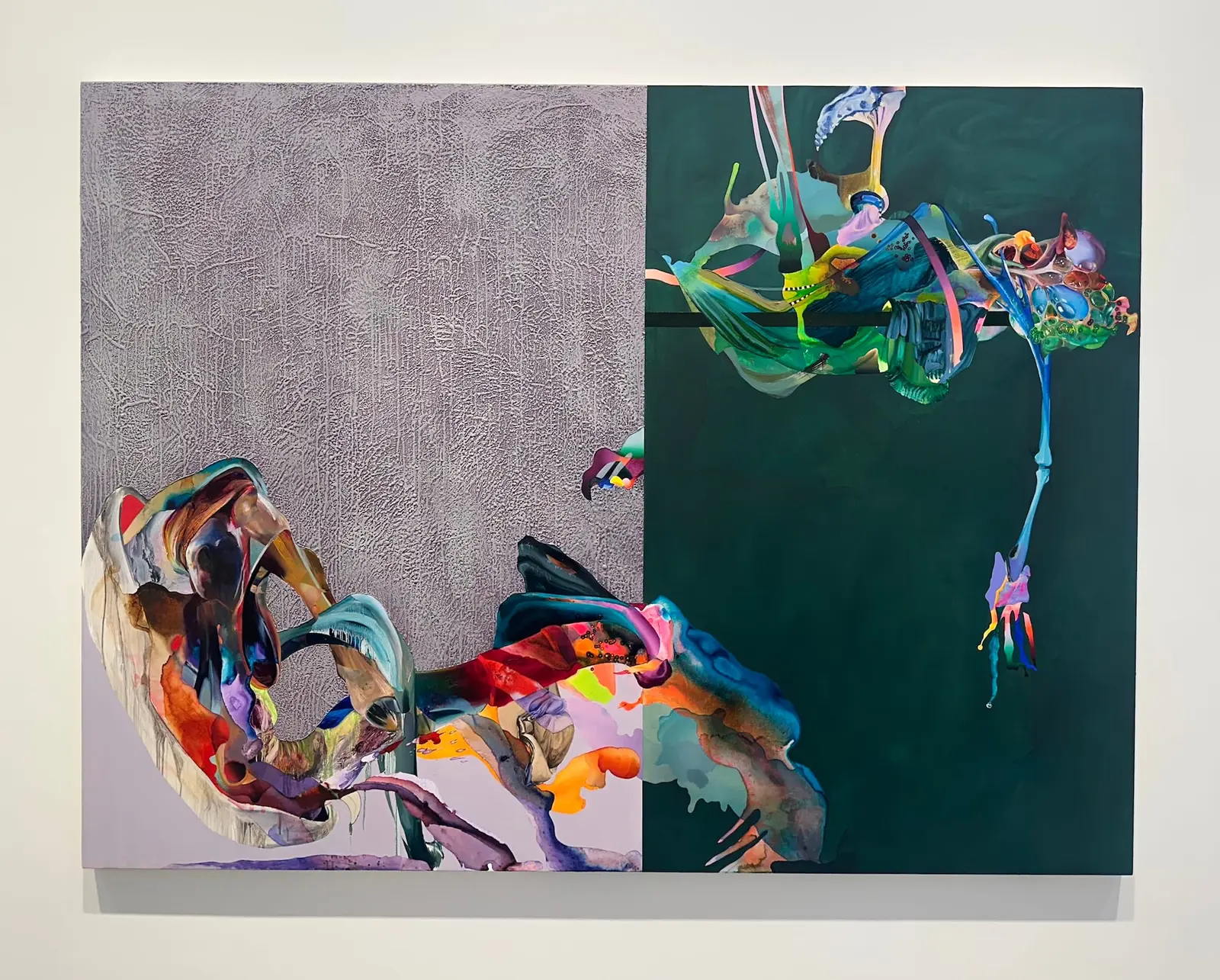
Surgical Precision Meets Historical Weight
A new art exhibition brings together the distinct works of Ilana Savdie and Chaim Soutine. The display guides viewers through abstract representations of the human mind and body. These two artists separated by decades now share a single gallery space. Their combined pieces explore themes of vulnerability and transformation. The exhibition highlights how both creators dissect internal states through visual art.
Culture picks
 Poison Ivy Spinoff Series Officially Greenlit at DC and HBO
 Avengers: Doomsday Turns Iconic MCU Line Into Tragedy
 Ben Affleck's Netflix thriller „Gone Girl” hits 55.4 million views worldwide
 Charli D’Amelio Reclaims Her Life After Years of Viral Fame
The pairing of these two figures offers a striking contrast in artistic approach. Chaim Soutine was a Jewish artist born in Belarus who later moved to France. He is known for his intense, often dark paintings that reflect historical trauma. Ilana Savdie is a Colombian-American contemporary artist working today. She focuses on the chaotic nature of modern existence. While Soutine captured the turmoil of the World Wars, Savdie addresses current societal noise. Both artists use visceral imagery to communicate complex emotional landscapes.
The visual dialogue between the two artists centers on the treatment of biological forms. Soutine famously hung animal carcasses to dry in his studio. This practice influenced his painting style, emphasizing raw texture and decay. Savdie approaches similar subjects with a clinical, almost surgical method. She dissects these forms to reveal underlying structures. Her work often features oozing, melting creatures that feel like products of modern life. This juxtaposition creates a timeline of artistic evolution. Viewers can trace the shift from historical grief to contemporary anxiety. The exhibition uses this comparison to show how art processes pain. It demonstrates that the tools change, but the subject remains constant.
Does Modern Art Echo the Past?
Critics argue that the connection between Soutine and Savdie is not accidental. Both artists grapple with the concept of the self under pressure. Soutine’s canvases are filled with the weight of global conflict. His work serves as a record of a fractured era. Savdie’s pieces melt the cacophony of daily life into tangible shapes. These creatures represent the things we create and then struggle to contain. The exhibition suggests that modern chaos mirrors historical upheaval. By placing them side by side, curators invite a deeper reflection. Visitors are encouraged to look beyond the surface of each painting. They must consider the psychological spaces these artists inhabit.
The final room of the exhibition leaves visitors with a lingering sense of unease. It challenges the viewer to find stability in a shifting world. The consequences of this artistic pairing extend beyond the gallery walls. It prompts a broader conversation about how we process collective trauma. As society faces new challenges, this retrospective feels particularly relevant. The exhibition serves as a reminder that art remains a vital tool for understanding ourselves. Future displays may continue this thread of intergenerational artistic dialogue. For now, this specific combination offers a unique lens on human fragility.
Frequently Asked Questions
Who are the main artists featured in this exhibition? The exhibition primarily features the works of Chaim Soutine and Ilana Savdie. Soutine was a 20th-century painter known for his expressive style. Savdie is a contemporary artist focusing on modern existential themes.
What is the central theme connecting their work? The central theme is the exploration of the mind and body under stress. Both artists use visceral imagery to depict internal turmoil. The exhibition frames this as a journey through mental and physical spaces.
Why were these two artists chosen to pair together? Their pairing highlights a contrast in technique and era. Soutine represents historical trauma, while Savdie represents modern anxiety. The comparison shows how different generations process similar emotional realities.