From Punk Zines to Hip Hop Streets
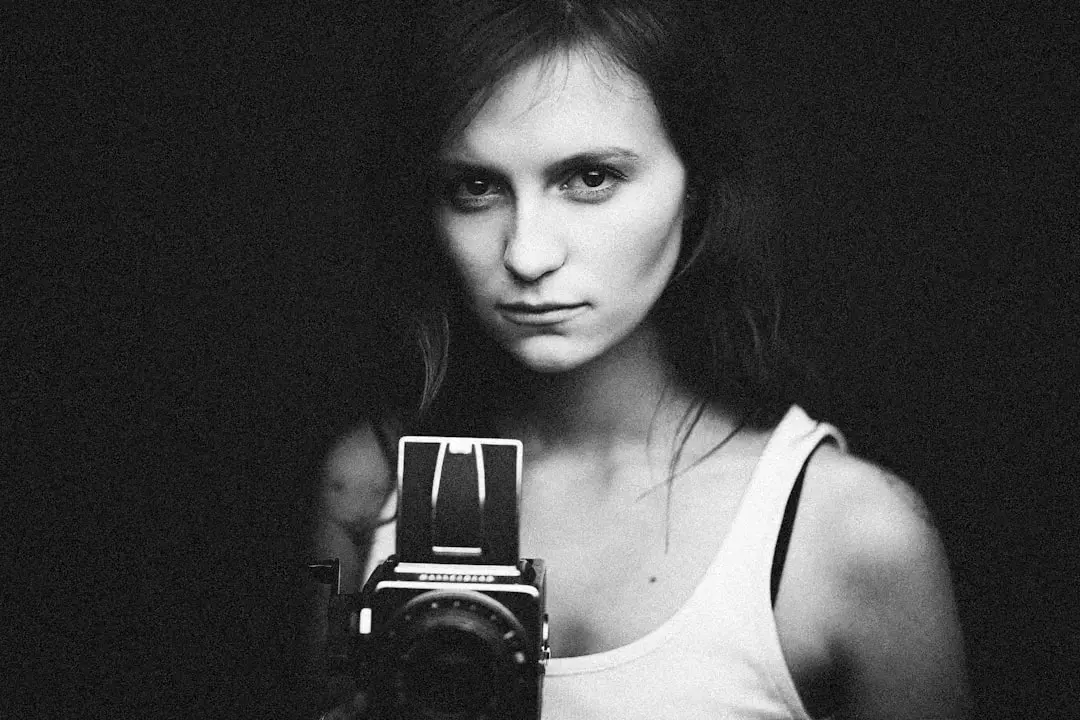
A new exhibition at Seattle’s Museum of Pop Culture showcases the work of Janette Beckman, a pioneering photographer who captured punk and hip hop’s rise over four decades. Her images, taken from 1980s London to New York’s street scenes, reveal raw moments of cultural revolution.
Culture picks
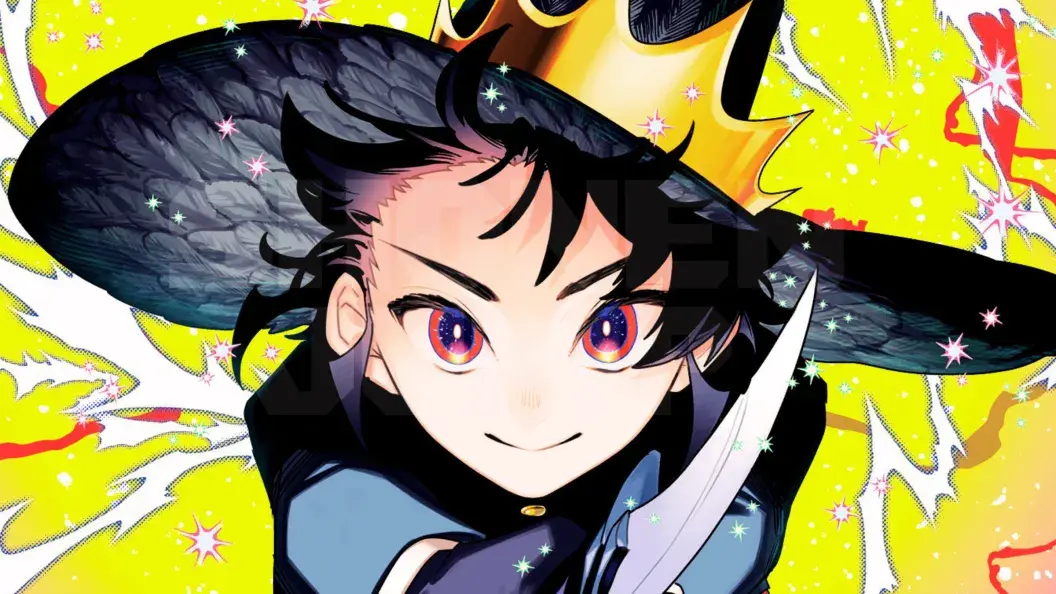 New Shonen Jump Manga Fixes Long‑Standing Genre Flaw
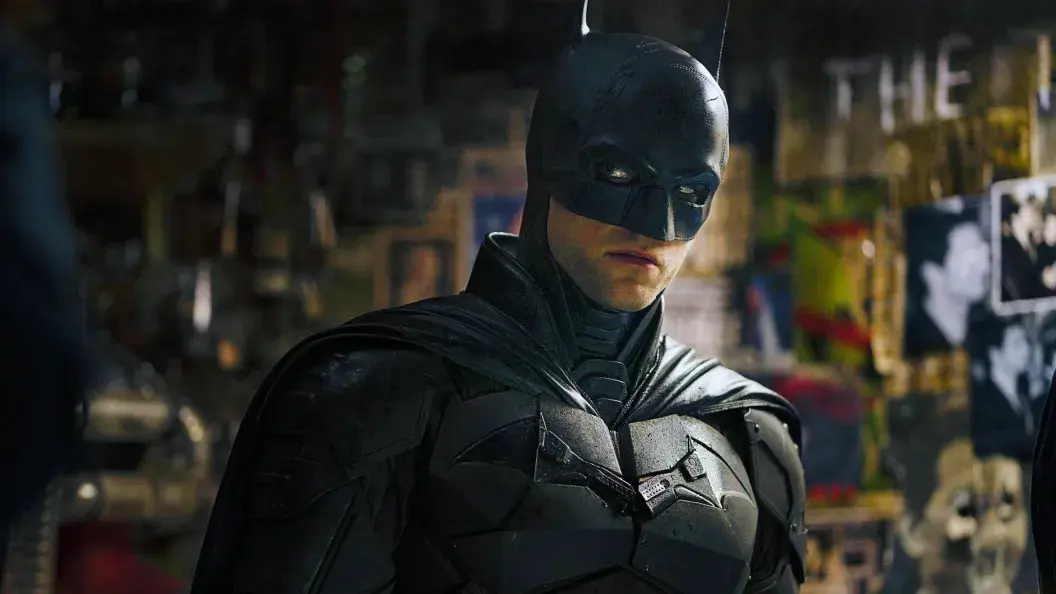
 Clayface: DCU’s First R‑Rated Horror Film Set to Shock Gotham
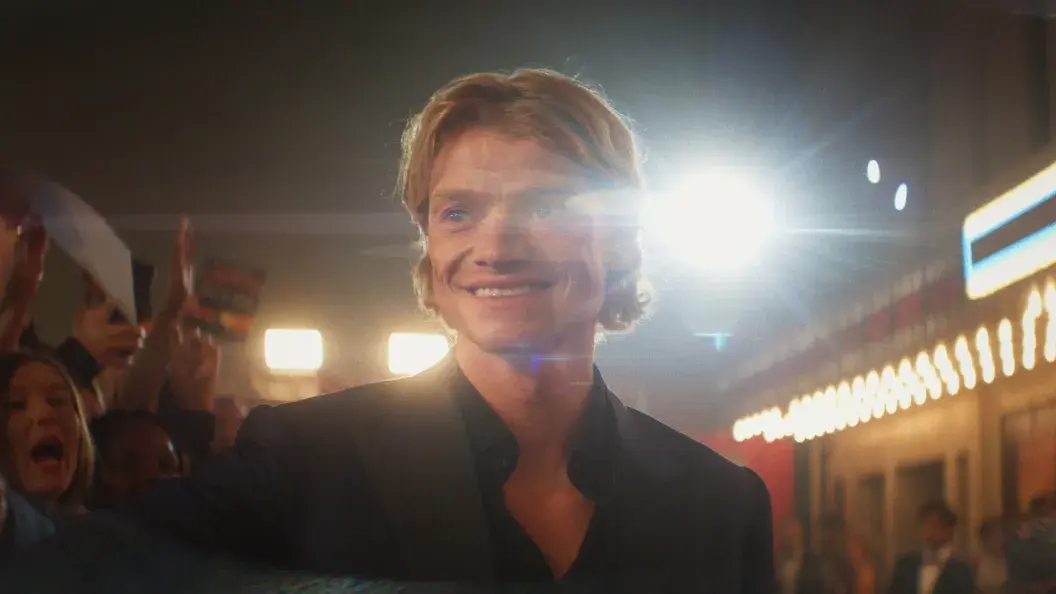
 Prime Video Casts Rising Stars Esther McGregor and Emilio Sakraya as Violet and Xaden in New Romantasy Series
 MAMA Awards 2026 Set to Spotlight K‑Pop Powerhouses in Osaka
Beckman began her career at British music magazine Melody Maker , where she photographed defiant punk acts like The Clash and The Slits. Her unfiltered style rejected studio polish, favoring gritty backdrops and authentic emotion. Moving to New York in the 1980s, she turned her lens on emerging hip hop artists, documenting acts before they became icons. Her 1987 photo of Public Enemy in Brooklyn remains a defining image of protest and power in music.
Beckman’s approach was rooted in access and trust. She didn’t direct her subjects—she followed them. „I never posed anyone to look ‘tough’ or ‘cool,’” she said. „They were already that.” This authenticity gave her photos lasting impact. Her portraits of Run-D. M. C., Salt-N-Pepa, and Grandmaster Flash captured not just fashion and sound, but attitude and identity. At a time when hip hop was overlooked by mainstream media, Beckman treated it with the same seriousness as rock.
How Did One Photographer Shape How We See Music Culture?
The exhibition, titled Rebels + Icons , spans 40 years of music history. It includes rare prints, behind-the-scenes notes, and personal recollections. Many images were taken on city streets with natural light, reinforcing their immediacy. Beckman often used cheap cameras, embracing technical limitations to preserve spontaneity. „It wasn’t about gear,” she noted. „It was about being there.”
Beckman’s work did more than document—it helped define the visual language of two seismic movements. Her punk photos rejected glamour, mirroring the genre’s anti-establishment ethos. In hip hop, she highlighted individuality, often photographing artists in their neighborhoods, surrounded by graffiti and fire escapes. These choices grounded the music in real life.
Curators say her legacy lies in democratizing music imagery. While others sought perfection, Beckman valued truth. „She didn’t wait for history to happen,” said MoPOP director Angela Davis. „She was in the middle of it, camera raised.” The exhibition draws parallels between punk’s rebellion and hip hop’s resistance, showing how both gave voice to marginalized youth.
Frequently Asked Questions
What artists has Janette Beckman photographed? Beckman captured early images of The Clash, The Slits, Public Enemy, Run-D. M. C., and Salt-N-Pepa. Her work spans punk, hip hop, and street culture across four decades.
Why is Beckman’s photography style significant? She used natural light and on-location shoots, avoiding studios. This raw, candid approach became a blueprint for music photography in underground scenes.
Where can the exhibition be seen? Rebels + Icons is on display at the Museum of Pop Culture in Seattle through January 2027, featuring over 100 photographs and archival materials.