A Calculated Departure From Artistic Norms
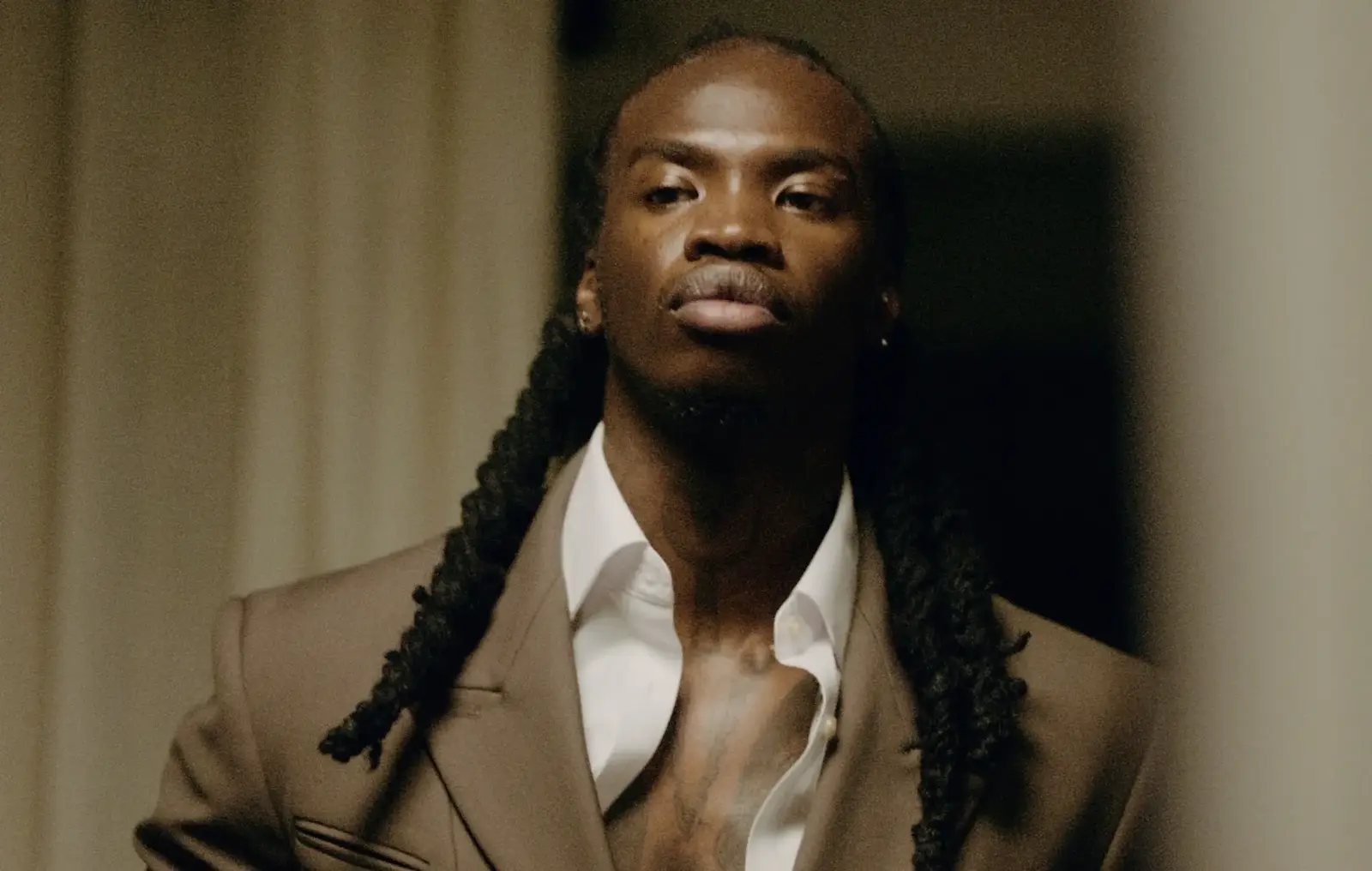
London-born rap iconoclast Lancey Foux has officially released The Time Of Our Lives, his first solo studio album in four years. The project marks a significant milestone for the underground artist, arriving on major streaming platforms this week. It serves as a definitive statement on his career and his evolving artistic legacy.
Culture picks
 New Shonen Jump Manga Fixes Long‑Standing Genre Flaw
 Clayface: DCU’s First R‑Rated Horror Film Set to Shock Gotham
 Prime Video Casts Rising Stars Esther McGregor and Emilio Sakraya as Violet and Xaden in New Romantasy Series
 MAMA Awards 2026 Set to Spotlight K‑Pop Powerhouses in Osaka
Foux has spent years navigating the intense pressure of high expectations from both critics and a dedicated fanbase. This latest record acts as a culmination of his experimental sound, blending genre-defying production with his signature vocal delivery. He views this release as a deliberate turning point in his professional journey.
The artist describes this album as a final chapter for the identity he has cultivated since his debut. He suggests that he is ready to step away from the specific structures he spent years building. This decision reflects a desire for creative freedom beyond the constraints of his previous public image.
Is This The End Of A Creative Era?
Foux remains focused on the weight of his influence within the underground scene. He acknowledges that his work has set a high bar for peers, yet he feels no obligation to repeat past successes. Instead, he treats this release as a closure of a specific, high-intensity era.
The transition signals a shift toward new, unmapped territory for the musician. By signing outof his established brand, Foux invites listeners to reconsider his entire discography as a completed volume. He is prioritizing his personal evolution over the demands of the modern music industry cycle.
Frequently Asked Questions
Looking ahead, Foux appears unbothered by the potential void his departure might leave. He is moving toward a future where his artistic output is no longer tethered to his past reputation. This album is the final piece of a puzzle he has been assembling for nearly half a decade.
Why is this album considered a significant turning point? It is the artist's first solo studio album in four years and marks his formal exit from the structures he built. He views the project as a conclusion to his current artistic identity.
What does the artist mean by signing out? He intends to distance himself from his established public persona and previous creative constraints. This indicates a move toward total artistic independence and a departure from his former career path.